Hardy Century Plant Care (Agave obscura)

Also known as: Redflower Hardy Agave, Dark-flower Agave, Whale's Tongue Agave, Century Plant
Hardy Century Plant

About Hardy Century Plant

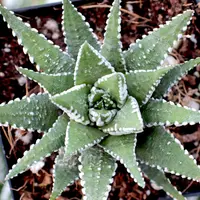
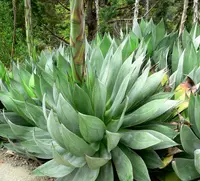
The Hardy Century Plant, Agave obscura, is a slow-growing succulent from highland regions of Mexico. It forms a dense rosette of thick, rigid leaves with sharp tips and small teeth along the margins.

Mature plants develop strong architectural structure and may eventually send up a tall flower spike near the end of their life cycle. Its natural adaptation to rocky, well-drained slopes makes it tolerant of drought and poor soils.

This species suits gardeners who prefer low-maintenance plants but can handle its spines and slow pace. It prefers bright light, minimal watering, and gritty, fast-draining soil, which shapes how to care for Hardy Century Plant.

Main Plant Requirements

Care Difficulty

Easy Care

Light Preference

Full Sun

Water Requirements

Low Water

Temperature Preference

Warm Climate

Hardiness Zone

8–10

Soil Texture

Sandy, Loamy, Rocky

Soil pH

Slightly acidic (6.5–7.0), Neutral (7.0)

Soil Drainage

Well-drained

Fertilization

Minimal (feed rarely)

Get Personalized Care Plan

Scan your plant to receive care tips personalized for your specific plant

Available on iOS and Android

How to Care for the Hardy Century Plant

This sun-loving succulent thrives in bright, intense light with some protection from harsh extremes.

  • Provide 6–8 hours of direct sun daily, ideally strong morning sun and light afternoon shade in very hot climates when caring for Hardy Century Plant.
  • In USDA zones 8–10, plant in an open, unshaded spot; brief light shade is tolerated but deep shade leads to weak, stretched growth and dull leaf color.
  • Watch for sunburn in sudden heat waves: pale, bleached, or crispy patches on leaves suggest the plant needs gradual acclimation or slight afternoon protection.

This drought-adapted species needs infrequent, deep watering and excellent drainage.

  • Allow the top 5–8 cm of soil to dry completely before watering; in arid climates this may mean watering every 2–4 weeks during active growth.
  • Use sharply draining, gritty soil on a slope or raised area so water does not pool around the base of Agave obscura.
  • Signs of overwatering include yellowing, soft, or collapsing leaves, while wrinkling and slight leaf curl indicate it is time for a thorough soak.

This agave prefers warm, dry conditions but tolerates brief cold if kept well drained.

  • Optimal growth occurs around 70–90°F (21–32°C), with strong light and low to moderate humidity.
  • Mature plants can tolerate short drops to about 20–25°F (-6 to -4°C) if soil is dry, but repeated hard freezes increase risk of rot and tissue damage.
  • In summer heat above 100°F (38°C), provide airflow and optional light afternoon shade to limit stress and leaf scorch.

Humidity is rarely a concern for Agave obscura, which thrives in dry air similar to typical heated homes.

  • Target 20–40% relative humidity; avoid sustained levels above 60% that keep foliage damp.
  • Hardy Century Plant tolerates very dry indoor air without extra misting or humidifiers.
  • Watch for blackened leaf bases, mushy spots, or moldy soil as signs humidity is staying too high.

Agave obscura needs sharply draining, mineral-rich soil to prevent root and crown rot.

  • Use a gritty mix of roughly 50–70% inorganic materials such as pumice, coarse perlite, or horticultural grit, with the rest coarse sand and a small amount of low-peat cactus mix.
  • Aim for a loose, open texture that dries within 3–5 days after watering and never stays soggy.
  • Keep pH slightly acidic to neutral, around 6.0–7.0, which suits most cactus and succulent mixes without extra adjustment.
  • Avoid clay-heavy, fine, or high-compost substrates that compact, as they reduce aeration around roots and trap moisture.

This species is well suited to container growing when the pot supports its weight and dry root conditions.

  • Choose a wide, low pot shape to counterbalance the rosette’s top weight and reduce tipping outdoors.
  • Use a porous material such as unglazed terracotta to let excess moisture evaporate through the pot walls.
  • Raise the container on feet or pot risers so drainage holes clear the ground and water runs off quickly after rain or watering.

This drought-adapted succulent needs only light feeding to stay healthy in containers or poor soils.

  • Use a low-dose, balanced liquid fertilizer (around 10-10-10) or cactus formula at 1/4–1/2 strength for caring for Hardy Century Plant.
  • Feed once in spring and again in mid-summer during active growth; avoid high-nitrogen lawn products nearby.
  • Skip fertilizer in fall and winter when growth slows or stops to prevent soft, frost-prone tissue.
  • On established plants in the ground, rely mainly on lean, well-drained soil and very occasional compost top-dressing.

Agave obscura requires minimal pruning, mainly for hygiene and safety around the rosette.

  • Best time is late spring to early summer when plants are actively growing and heal faster.
  • Remove only dead, dried, or badly damaged leaves at the base, cutting close to the stem without injuring living tissue.
  • Use long-handled loppers or a sharp pruning saw and thick gloves to avoid injury from spines.
  • Selective removal of lower leaves improves airflow and access but does not reshape the naturally symmetrical rosette.

This agave grows slowly and dislikes frequent disturbance, so repot or transplant only when clearly necessary.

  • Check for roots circling the pot, cracking containers, or slowed growth as signs it needs more space.
  • Plan repotting or transplanting for late spring to early summer, every 3–5 years for potted plants.
  • Choose a container just 2–5 cm wider with fast-draining cactus mix; handle the root ball gently to limit damage.
  • Let roots dry for 1–2 days after transplanting, then water lightly and keep in bright, indirect light until recovered.

Propagation of this species is usually done slowly via offsets or seed under controlled conditions.

  • Detach basal offsets in late spring once they show several leaves and a small root system.
  • Allow cut surfaces to dry and callus for 3–5 days in shade before planting in dry, gritty cactus mix.
  • Keep newly potted offsets in bright, indirect light and water sparingly until firm rooting develops.
  • Sow seeds in warm (70–80°F), evenly moist, well-drained medium with bright light, allowing several weeks for germination.

This species has moderate cold tolerance but benefits from some winter protection in colder regions.

  • In-ground plants may tolerate light frosts if soil drains sharply and crowns stay dry.
  • Apply a thin gravel or coarse sand mulch to improve drainage rather than heavy organic mulches.
  • Move containers indoors or to a cold, bright, frost-free space when temperatures approach the low 30s°F.
  • Water very sparingly in winter, keeping leaves and crown as dry as possible to reduce rot risk.

Care Tips

Rock mulch ring

Create a 5–10 cm wide ring of coarse gravel or rocks around the base to keep leaves dry at the collar, reduce soil splash, and stabilize the rosette in heavy rain or irrigation.

Offset removal timing

Remove pups only when they have at least 4–5 firm leaves and a distinct root system, then pot them into a dry, gritty mix and withhold water for 5–7 days to let any cuts callus fully.

Winter moisture shielding

In areas with cool, wet winters, place a clear, vented rain shield or mini-roof over the plant to keep the crown dry while still allowing full light and air circulation.

Container weight management

If growing in pots, use a heavy, wide-based container or add a bottom layer of coarse gravel so the top-heavy rosette does not tip over in wind or when moved.

Safe handling protocol

Always handle the plant with thick gloves and angled tongs or folded newspaper to support leaves from below, which protects skin from spines and prevents mechanical damage to the rosette when caring for Hardy Century Plant.

Common Pests and Diseases

Agave snout weevil

This pest targets the base of the rosette, where adults chew into the crown and larvae tunnel inside, causing internal collapse. Symptoms include wilting, loose or toppling rosettes, and a foul smell from rotting tissue.

Solution

Remove and destroy any affected plants completely, including roots, to prevent the larvae from completing their life cycle. For nearby plants, keep soil very well drained, avoid wounding the base, and, where infestations are common outdoors, use a systemic insecticide labeled for agaves as a preventative drench in spring before adults become active.

Agave mite

This pest is microscopic and lives in tight leaf bases, causing distorted growth, scarring, and corky or necrotic patches that may look like disease spots. Symptoms include stunted central leaves and rough, irregular markings near the crown.

Solution

Isolate and discard heavily affected plants since mites are difficult to eliminate once established. For valuable specimens, combine strict sanitation, removal of badly damaged leaves, and repeated treatments with a labeled miticide, making sure spray or drench reaches the crown and inner leaf bases, and always keep new plants quarantined before placing near existing agaves.

Scale insects

These insects attach to leaves and stems, feeding on sap and appearing as small, hard, or waxy bumps, often along leaf margins or midribs. Symptoms include yellowing patches, reduced vigor, and sticky honeydew that can attract sooty mold.

Solution

Physically remove scale with a cotton swab dipped in isopropyl alcohol or by gently scraping with a soft brush, then rinse the plant thoroughly. For persistent infestations, apply a horticultural oil or insecticidal soap, making sure to coat both leaf surfaces, and repeat at 7–14 day intervals while keeping the plant in bright, dry, well-ventilated conditions.

Anthracnose leaf spots

This disease is caused by fungi that create sunken, tan to dark brown spots on the leaves, sometimes with a concentric ring pattern. Symptoms include expanding lesions that may coalesce, leading to weakened, scarred foliage.

Solution

Remove and discard affected leaves promptly and keep water off the foliage by watering at the soil level only. Improve air movement, avoid overcrowding, and, if spread continues, use a fungicide labeled for anthracnose on succulents, following label intervals and focusing on new growth and the crown area.

Bacterial soft rot

This disease infects through wounds or weevil damage and leads to rapidly soft, water-soaked tissue in the core of the rosette. Symptoms include a strong foul odor, mushy leaves at the base, and sudden collapse of the plant.

Solution

Immediately remove and dispose of any plant showing extensive soft rot, including all surrounding contaminated debris and soil. For minor, early lesions, cut out all soft tissue back to firm, healthy material, allow the wound to dry in a warm, airy place, and reduce watering, while also controlling snout weevils and avoiding mechanical injuries that create entry points for bacteria.

Interesting Facts

High-elevation specialist

This species is native to high-altitude regions of central Mexico, where it grows on rocky slopes and open pine-oak habitats, tolerating cooler nights than many lowland agaves.

Distinctive leaf imprinting

The leaves often show clear bud imprints, where the pattern of one folded leaf is permanently pressed into its neighbor, creating a characteristic geometric marking used by botanists to help identify the species.

Dark, contrasting inflorescence

When it finally flowers, this species produces a tall stalk with dark-tinted bracts and flower parts that contrast strongly with the pale-green leaves, a combination considered diagnostic in taxonomic descriptions.

Botan icon

Did you know?

This species was previously confused with related taxa until detailed morphological studies, including close examination of its flower structure and leaf armature, led to its formal recognition as a distinct species in the late 20th century.

FAQs about Hardy Century Plant

This species usually flowers only once at the end of its life, often after several decades. Lack of bloom is normal for many years. Flowering is more likely when plants are mature, well-established, and grown outdoors in strong light.

Grow Healthy Plants with Botan Care

Keep your plants happy and healthy with plant identification, disease detection, and easy care guidance.

Botan plant care app — identify plants on mobile

Explore More Plants