Agave variegata Care

Agave variegata

About Agave variegata

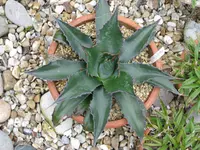
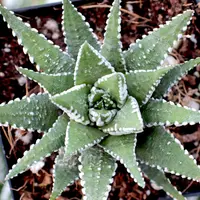
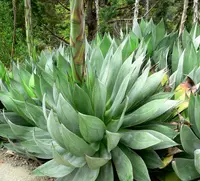
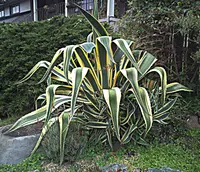
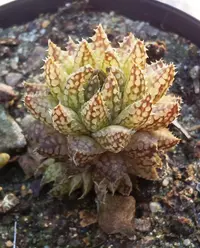
Agave variegata is a compact, slow-growing succulent known for its rosettes of thick, pointed leaves edged or striped with creamy yellow or white. The bold leaf markings give it a strong architectural look, whether grown in containers or in dry garden beds.

This species comes from arid, sunny regions, so it is adapted to strong light, high heat, and long dry periods. Its drought tolerance and slow growth make it relatively low maintenance, as long as excess moisture is avoided.

Those learning how to care for Agave variegata should focus on very sharp drainage, infrequent watering, and plenty of light to keep the rosettes compact and the variegation strong.

Main Plant Requirements

Care Difficulty

Easy Care

Light Preference

Full Sun

Water Requirements

Low Water

Temperature Preference

Warm Climate

Hardiness Zone

9–11

Soil Texture

Sandy, Loamy, Rocky

Soil pH

Slightly acidic (6.5–7.0), Neutral (7.0)

Soil Drainage

Well-drained

Fertilization

Minimal (feed rarely)

Get Personalized Care Plan

Scan your plant to receive care tips personalized for your specific plant

Available on iOS and Android

How to Care for the Agave variegata

This variegated agave thrives in bright, direct sun but tolerates some light shade, especially in hotter regions.

  • Provide 6–8 hours of direct sun daily; in very hot, dry climates, give strong morning sun with light afternoon shade to prevent leaf scorch.
  • In cooler or coastal areas, full sun all day promotes compact growth and strong variegation in Agave variegata.
  • In low-light spots, growth becomes leggy and pale; gradually increase light exposure over 1–2 weeks to avoid sudden sunburn.

This drought-adapted succulent needs thorough but infrequent watering in sharply draining soil.

  • Outdoors in warm seasons, water only when the top 5–7 cm of soil are completely dry; in desert climates this may mean every 10–21 days, less often in humid areas.
  • Ensure very fast drainage; raised beds or gritty, sandy soil help excess water escape and reduce root rot risk for Agave variegata.
  • In cooler months, cut watering back sharply; wrinkling or folding lower leaves suggest thirst, while yellowing, mushy leaves indicate overwatering.

This species prefers warm, dry conditions and tolerates significant heat but is sensitive to hard frost.

  • Aim for 65–85°F (18–29°C) during active growth; short heat waves up to 100°F (38°C) are tolerated if soil drains well and airflow is good.
  • Protect from frost; sustained exposure below 28–30°F (-2 to -1°C) can damage tissues, and prolonged freezing may kill the plant.
  • In regions with cold winters, keep the plant as dry as possible in late fall and winter, since cold plus wet soil greatly increases rot risk.

This species tolerates a wide humidity range and rarely needs special adjustment indoors.

  • Aim for 30–50% humidity; typical heated or air-conditioned rooms fall in this range.
  • Dry air is usually tolerated, but very cold drafts plus <25% humidity can cause leaf tip browning.
  • If tips brown or leaf edges shrivel, move the plant away from vents and place it near other plants rather than using misting.

Agave variegata needs a very fast-draining, mineral-based soil mix to prevent root and crown rot.

  • Use a cactus/succulent mix amended with extra mineral grit, such as 30–50% coarse sand, pumice, or small gravel.
  • Aim for a gritty or sandy texture that feels loose in the hand; avoid mixes dominated by peat or fine compost.
  • Target a slightly acidic to neutral pH around 6.0–7.0, which suits most ingredients in commercial succulent blends.
  • Improve aeration by adding larger particles (pumice, perlite, crushed lava rock) and avoid any soil that stays wet longer than 2–3 days.

This species is well suited to container growing outdoors or in bright indoor positions.

  • Choose a heavy, low, and wide pot to counterbalance the rosette’s top-heavy form and prevent tipping in wind.
  • Select unglazed clay if extra evaporation is desired in wet climates, and glazed ceramic in very dry climates to slow moisture loss.
  • Leave a dry top layer of 1–2 cm mineral grit or small stones to keep the crown dry and reduce stem rot at the soil line.

Feeding supports steady growth in Agave variegata but heavy fertilization is unnecessary.

  • Use a balanced, low-nitrogen cactus fertilizer or diluted 10-10-10 at 1/2–1/4 strength.
  • Apply once every 6–8 weeks during the warm growing season when the plant is actively producing leaves.
  • Avoid fertilizing in winter or cool, low-light periods to prevent soft, weak growth.
  • Never apply to dry soil; water lightly first, then feed to reduce root burn risk.

Pruning for this species is mainly hygienic, keeping Agave variegata clean and safe to handle.

  • Carry out pruning in late spring or summer when plants are dry and actively growing.
  • Remove dead, damaged, or diseased leaves at the base using sharp, clean pruners or a knife.
  • Trim only badly scarred or crowding leaves to maintain a compact rosette shape.
  • Wear gloves and eye protection to avoid injury from spines and sap contact.

Container-grown plants of this species need infrequent repotting and careful handling to protect the roots and rosette.

  • Check for roots circling the pot, pushing through drainage holes, or slowed growth as signs it needs a larger container.
  • Plan repotting or transplanting in late spring to early summer, about every 3–5 years, when temperatures are consistently warm.
  • Choose a slightly larger pot with fast-draining cactus mix, and set the plant at the same depth as before.
  • Handle the root ball gently, keep roots mostly intact, and withhold heavy watering for a few days to limit transplant stress.

New plants are usually produced from offsets, making Agave variegata plant care scalable in collections.

  • Select well-formed offsets with their own roots in late spring or early summer for best establishment.
  • Use a clean, sharp knife to detach pups, then allow cut surfaces to dry and callus for 2–5 days.
  • Plant offsets in a gritty, well-draining cactus mix and keep slightly moist, never wet, until rooted.
  • For seed propagation, sow on the surface of sterile, fast-draining mix with warm temperatures and bright, indirect light.

Cold protection is important for Agave variegata in regions with frost or extended cool, wet periods.

  • In-ground plants prefer climates with mild, dry winters and are damaged by hard freezes below about 20–25°F.
  • Apply a light gravel or stone mulch around the base to keep the crown dry rather than for warmth.
  • Move containers under cover or indoors to a bright, cool, frost-free spot before freezing nights arrive.
  • Water very sparingly in winter, allowing soil to dry completely to reduce rot risk in cold conditions.

Care Tips

Rotate container yearly

Turn the pot 90° once or twice a year so the rosette develops evenly and does not lean toward the strongest light source, which keeps the plant symmetrical and reduces stress on outer leaves.

Use mineral mulch

Apply a 1–2 cm top layer of coarse grit, pumice, or small lava rock around the base to keep leaf bases dry, discourage fungus gnats, and stabilize the shallow root system.

Protect from overhead wetting

Water at soil level and shelter the plant from frequent overhead irrigation or heavy summer rain to prevent water sitting in the rosette, which can lead to crown rot in cool or humid conditions.

Winter dryness strategy

In cool but frost-free winter conditions, keep the substrate almost dry and place the plant under a rain shield so roots stay healthy and do not rot during its semi-dormant phase when growing Agave variegata outdoors.

Safe handling setup

Use thick gloves and tongs or folded newspaper to move or repot the plant, and position it where leaf spines sit away from walkways or seating areas to avoid accidental injury during routine maintenance.

Common Pests and Diseases

Agave snout weevil

This pest bores into the base of the plant to lay eggs, leading to internal rot and sudden collapse of leaves. Symptoms include yellowing, wilting, and a foul smell from the crown or stem base.

Solution

Remove and discard heavily infested plants, including as much root and surrounding soil as possible, to prevent spread. For how to take care of Agave variegata in weevil-prone regions, keep plants in well-drained soil, avoid injury at the base, monitor for early wilting, and use a targeted soil drench or systemic insecticide labeled for agaves in spring before adults are active.

Scale insects

These insects attach to leaves and stems, appearing as small bumps and sucking sap, which weakens the plant over time. Symptoms include yellowing spots, sticky honeydew, and sooty mold on affected areas.

Solution

Physically remove scales with a soft brush or cloth dipped in soapy water or diluted isopropyl alcohol, focusing on leaf bases and undersides. For heavier infestations, repeat treatments weekly and use a horticultural oil or insecticidal soap, ensuring good coverage in warm, dry weather but avoiding strong midday sun.

Agave mite

This pest is microscopic and lives in tight leaf bases, causing distorted new growth, scarring, and sometimes corky or streaked tissue. Symptoms include misshapen leaves and rough, brownish lesions near the core of the rosette.

Solution

Remove and discard severely affected plants or heavily damaged central leaves, as mites are difficult to eliminate once established. When handling other agaves, disinfect tools with alcohol or a bleach solution, and obtain new plants from clean, inspected sources to reduce introduction risk.

Anthracnose

This disease is a fungal infection that creates tan to dark brown spots with possible concentric rings on leaves, often starting where water sits. Symptoms include expanding lesions that may merge, causing leaf blight under warm, humid conditions.

Solution

Cut off and discard affected leaves, keeping tools clean between cuts, and avoid overhead watering so leaves dry quickly. Improve air circulation, space plants well, and if conditions remain humid, apply a fungicide labeled for anthracnose on ornamental succulents according to the product directions.

Bacterial soft rot

This disease attacks wounded or waterlogged tissue, causing soft, mushy, foul-smelling areas, often starting at the crown or damaged leaves. Symptoms include rapid tissue collapse and wet, discolored patches that spread quickly in warm, moist conditions.

Solution

Immediately remove and dispose of affected plants or plant parts, including any clearly softened crown tissue, to prevent spread to nearby agaves. Improve drainage, avoid water sitting in the rosette, protect plants from frost damage and mechanical injury, and disinfect tools and pots used near infected material.

Interesting Facts

Stable leaf variegation

The pale leaf margins and central green band in Agave variegata are genetically stable, so plants grown from offsets reliably keep their striped pattern instead of reverting to solid green foliage.

Compact rosette habit

Compared with many large agaves, Agave variegata forms relatively compact rosettes, which has made it a frequent choice for small xeric gardens and rockeries in mild, dry climates.

Monocarpic flowering cycle

Like most agaves, this species is monocarpic, meaning each rosette flowers once at the end of its life, producing a tall flowering stalk and then dying while offsets around it continue the colony.

FAQs about Agave variegata

Brown tips or edges usually result from underwatering, excess heat, or accumulated salts from fertilizer and hard water. Flush the soil occasionally, water more thoroughly but less often, and avoid splashing concentrated fertilizer near the leaf base.

Grow Healthy Plants with Botan Care

Keep your plants happy and healthy with plant identification, disease detection, and easy care guidance.

Botan plant care app — identify plants on mobile

Explore More Plants