Agave montana Care

Agave montana

About Agave montana

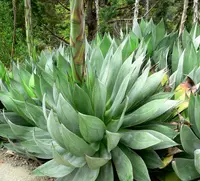
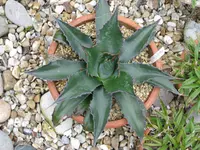
Agave montana is a slow-growing succulent native to high-elevation regions of northeastern Mexico. It forms a solitary rosette with broad, dark green leaves edged with sharp teeth and a strong terminal spine. Mature plants eventually send up a tall flowering spike, then the main rosette dies after blooming, a typical trait of many agaves. This species tolerates cold better than many agaves and is generally robust if kept in well-drained soil. It prefers bright light, low to moderate moisture, and good air movement, which influences how to care for Agave montana in gardens or large containers.

Main Plant Requirements

Care Difficulty

Easy Care

Light Preference

Full Sun

Water Requirements

Low Water

Temperature Preference

Cold Hardy

Hardiness Zone

7–9

Soil Texture

Sandy, Loamy, Rocky

Soil pH

Slightly acidic (6.5–7.0), Neutral (7.0)

Soil Drainage

Well-drained

Fertilization

Minimal (feed rarely)

Get Personalized Care Plan

Scan your plant to receive care tips personalized for your specific plant

Available on iOS and Android

How to Care for the Agave montana

This high-altitude agave prefers strong light but not harsh, all-day exposure in lowland climates.

  • Provide 6–8 hours of direct sun daily, ideally with morning sun and light afternoon shade in hot summer regions.
  • Tolerates bright partial shade, but rosettes become more open and less compact if light drops below about 4 hours of direct sun.
  • In very intense sun or heatwaves, use temporary shade cloth or site protection to prevent leaf scorch and pale, bleached patches.

Watering should stay sparse and controlled to mimic the dry, rocky slopes where this species evolves.

  • Allow the top 5–8 cm of soil to dry completely before watering, then soak thoroughly so excess drains away from the root zone.
  • In spring and early summer, water when leaves lose some firmness; reduce sharply in late fall and winter, especially in cool, wet climates.
  • Watch for overwatering signs such as yellowing, soft basal leaves and a sour smell in the soil, and improve drainage if these appear.

This species is notably cold-tolerant but still benefits from stable, moderate temperatures for best growth.

  • Optimal growth occurs around 60–80°F (16–27°C), typical of mild spring and fall conditions in many temperate areas.
  • Mature plants can survive short drops to about 5–10°F (-15 to -12°C) if soil is very well drained and foliage is kept relatively dry.
  • Tolerates dry heat up to 95–100°F (35–38°C) if acclimated, but prolonged heat with high humidity increases rot risk, so ensure airflow.

This species tolerates a wide humidity range and rarely needs special humidity management indoors or outdoors.

This species needs very fast-draining, mineral soil to prevent root and crown rot.

  • Use a gritty mix such as 50–70% coarse sand or horticultural grit plus 30–50% cactus potting mix.
  • Aim for slightly acidic to neutral pH around 6.0–7.0, avoiding strongly acidic or alkaline substrates.
  • Improve aeration by adding extra pumice or perlite and keeping organic matter content relatively low.
  • Avoid heavy, compacted, or water-retentive soils like clayey garden soil or peat-heavy mixes, especially in cool climates.

This species is well suited to container growing in sunny outdoor locations.

  • Choose a wide, heavy container that resists tipping, as the rosette becomes dense and top-heavy with age.
  • Select thick-walled clay or concrete pots in windy sites to reduce moisture swings and increase stability.
  • Raise the pot on feet or blocks so drainage holes stay clear and excess water evacuates quickly after rain or irrigation.

This mountain agave prefers lean soil and only modest feeding under cultivation.

  • Use a low-dose balanced fertilizer (around 5-5-5) or very dilute liquid feed at 1/4 strength in spring and early summer.
  • Apply once every 6–8 weeks during active growth if soil is poor; skip feeding in rich, well-drained beds.
  • Avoid high-nitrogen products, which cause weak, lush growth prone to rot.
  • Stop feeding Agave montana in late summer and do not fertilize in winter dormancy.

Pruning needs for Agave montana are minimal and mainly hygienic.

  • Best time is late spring to early summer in dry weather to reduce infection risk.
  • Remove dead, damaged, or shriveled lower leaves with clean, sharp pruners or a pruning saw.
  • Cut spent flower stalks back to the base once they dry, as the rosette will not flower again.
  • Limit removal to problem leaves only to maintain the plant’s natural symmetrical form.

This species grows slowly and prefers infrequent disturbance once established.

  • In containers, plan to move to a slightly larger pot every 3–5 years, or when roots circle the pot or growth slows noticeably.
  • Transplant outdoor plants in late spring, allowing soil to warm and dry slightly for faster recovery.
  • Choose a very free-draining gritty mix and plant at the same depth to avoid crown rot.
  • Water lightly after moving Agave montana, then let the soil dry between waterings to reduce root stress.

New Agave montana plants are usually produced from offsets, with seed used for larger-scale growing.

  • Separate basal offsets in late spring or early summer when they have several strong roots.
  • Use a clean knife to detach pups, allow cut surfaces to callus for several days in shade, then pot into gritty, fast-draining mix.
  • Keep soil barely moist and provide bright, indirect light and warm temperatures around 70–80°F for rooting.
  • For seed, sow on the surface of well-drained mix, keep slightly moist, and maintain steady warmth for germination.

This agave is relatively cold hardy but still benefits from thoughtful winter management in colder climates.

  • Mature plants tolerate brief drops to about 5–10°F if soil is very well drained.
  • Apply a light gravel mulch around the base to keep the crown dry and insulate the root zone.
  • In wet winter climates, use a simple overhead cover to shield leaves from persistent rain and snow.
  • Move container plants into a cold, bright, frost-free spot and keep soil almost dry through winter.

Care Tips

Cold acclimation steps

Before planting in colder climates, gradually expose container plants to cooler outdoor conditions over 10–14 days so mature rosettes develop tougher tissue and tolerate light freezes better.

Protecting central crown

In areas with wet winters, gently fill the crown with coarse gravel or small stones to keep water from pooling in the rosette and reduce the risk of rot at the growing point.

Strategic pup removal

Remove and pot up pups when they reach about 10–15 cm across, cutting with a clean, sharp knife and allowing the offset base to dry for several days so the main plant keeps a strong outline and the new offset roots more reliably.

Slope and runoff management

When planting on a slope or raised berm, angle the plant very slightly so excess water naturally runs off the rosette and away from the crown, which is especially helpful when growing Agave montana in rainy regions.

Winter freeze cover

In climates near the plant’s cold limit, place a simple, rigid rain shelter over the rosette (such as a clear plastic dome with open sides) during extended wet freezes to keep leaves dry while still allowing air flow and light.

Common Pests and Diseases

Agave snout weevil

This pest bores into the agave base, causing internal damage that leads to sudden collapse of the rosette. Symptoms include yellowing leaves, a loose wobbly crown, and foul-smelling rot at the core.

Solution

Remove and destroy any infested plants immediately, including as much of the surrounding soil as possible, to prevent larvae from completing their life cycle. In areas where snout weevils are common, use preventative soil drenches with a labeled systemic insecticide in spring and avoid wounding the plant or leaving cut stumps that attract egg-laying adults.

Scale insects

These insects attach to leaves and leaf bases, sucking sap and causing yellow spotting, reduced vigor, and sticky honeydew that can support sooty mold. Infestations often begin along the lower leaves and in tight crevices near the crown.

Solution

Physically remove visible scale with a soft brush or cotton swab dipped in isopropyl alcohol, then rinse the plant thoroughly. For persistent problems, apply a horticultural oil or insecticidal soap labeled for succulents, ensuring good coverage of leaf axils, and improve air movement around the plant to reduce reinfestation risk.

Erwinia soft rot

This disease causes rapidly spreading, water-soaked lesions at the leaf bases and heart of the plant, often with a strong foul odor. Symptoms include leaf collapse from the center outward and soft, mushy tissues that break down into sludge.

Solution

At the first signs, cut out all affected soft tissue with sterilized tools and discard it away from other plants, then allow remaining healthy tissue to dry in good airflow. Avoid overhead watering, keep the crown dry, and in wet climates plant agaves on mounds or in sharply drained soil to prevent bacterial buildup.

Anthracnose leaf spot

This disease produces tan to dark brown leaf spots, sometimes with a lighter center and dark edge, that can coalesce into larger patches on older leaves. Symptoms include cosmetic damage and, in humid conditions, black spore masses within the lesions.

Solution

Remove and discard badly spotted leaves and keep overhead watering to a minimum to reduce leaf wetness duration. Improve spacing and airflow, water at the soil level, and if the problem recurs, use a copper-based or other labeled fungicide during extended humid or rainy periods as part of broader Agave montana care instructions.

Interesting Facts

High-elevation specialist

This species is native to cool, misty montane forests of northeastern Mexico, typically growing at 2,700–3,000 m where winter frosts and occasional snow are common.

Rosette snow capture

Its dense, upright leaf rosette and thick, waxy cuticle help intercept and hold cloud moisture and light snowfall, which then melts toward the root zone and supplements scarce liquid water.

Distinctive red bud-printing

As the leaves expand, the spines of overlying leaves imprint a pattern of reddish to wine-colored marks on the surface, creating a characteristic chevron-like ornamentation that helps distinguish this species from related agaves.

Botan icon

Did you know?

Agave montana was only formally described in the 1990s, making it a relatively recent addition to science despite forming large, conspicuous populations in its native Mexican mountains.

FAQs about Agave montana

This species is monocarpic, meaning it flowers only once at maturity, often after 15–30 years. Lack of bloom usually reflects youth, insufficient size, or cold damage rather than a routine care problem.

Grow Healthy Plants with Botan Care

Keep your plants happy and healthy with plant identification, disease detection, and easy care guidance.

Botan plant care app — identify plants on mobile

Explore More Plants