Secure container choice
Use a wide, heavy terracotta or concrete pot to keep the plant from tipping as pads elongate and to allow safe access around the very spiny joints.

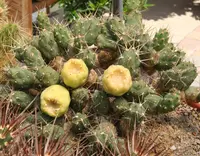
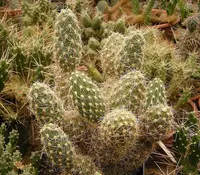
Cumulopuntia boliviana is a compact, clumping cactus from high-altitude regions of Bolivia and neighboring areas of the Andes. It forms low, spreading mats of jointed pads with spines of varying length and density.
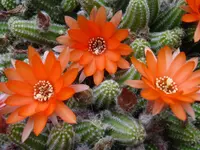
In suitable conditions it produces bright, cup-shaped flowers, usually yellow to orange, followed by small, fleshy fruits. Its slow, compact growth makes it suitable for containers and rock gardens.
This species is adapted to strong sun, cool nights, and very free-draining, mineral-rich soils. Once established, it tolerates drought well, so the main challenge in how to care for Cumulopuntia boliviana is avoiding excess moisture and poor drainage.

Care Difficulty
Easy Care

Light Preference
Full Sun

Water Requirements
Low Water

Temperature Preference
Warm Climate

Hardiness Zone
8–10

Soil Texture
Sandy, Loamy, Rocky

Soil pH
Slightly acidic (6.5–7.0), Slightly alkaline (7.0–7.5)

Soil Drainage
Well-drained

Fertilization
Minimal (feed rarely)
Scan your plant to receive care tips personalized for your specific plant
Available on iOS and Android
This cactus thrives in strong sun but benefits from some seasonal protection in low or very intense light areas.
This drought-tolerant cactus prefers deep, infrequent watering and very fast-draining soil.
This species tolerates a wide temperature range but needs protection from hard, prolonged frost.
This cactus prefers dry air and does not require elevated humidity.
This cactus needs a very fast-draining, mineral-based substrate to prevent root rot.
This species is well-suited to container culture, especially in dry, sunny locations.
This cactus grows well in lean soil and needs only light, targeted feeding during the active season.
Pruning is mainly used to maintain shape and remove problem pads on this segmented cactus.
Container-grown plants and young outdoor clumps benefit from occasional transplanting to prevent crowding and root stress.
This species is most often propagated from stem pads, with seeds used mainly for larger-scale or breeding projects.
This cactus is fairly cold hardy but benefits from dry, well-drained conditions in winter, especially in wet or very cold climates.

Plant Health Check
Not sure what's wrong with your plant? Check your plant's health inside the app.
This cactus naturally occurs in the Andes of Bolivia, northern Argentina, and Chile, where it often grows at elevations above 3,000 m in cold, dry, high-radiation conditions that many other cacti cannot tolerate.
It forms low, spreading cushions made of many small, jointed segments that root as they touch the soil, helping the plant slowly colonize open, rocky ground and resist erosion.
Unlike many desert cacti, it can survive regular light frosts and brief drops below freezing in its native range, thanks to compact growth, dense spines, and tissues adapted to rapid temperature changes.

In its native Andean habitats, this species often acts as a pioneer plant on disturbed or rocky soils, trapping windblown dust and organic matter so that over time its cushions help create small islands of improved substrate where other hardy plants can later establish.
This species performs best outdoors in full sun and very free-draining, poor soils. Indoors it often receives insufficient light and stagnant air, which slow growth and increase rot risk. Cumulopuntia boliviana indoor care is possible only in very bright conditions.
Keep your plants happy and healthy with plant identification, disease detection, and easy care guidance.