


Use mineral mulch
Top-dress the soil surface with a 1–2 cm layer of coarse grit, pumice, or small gravel to keep stem bases dry, reduce algae and moss, and stabilize the shallow root zone.

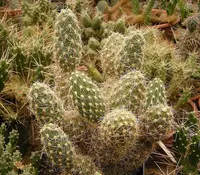
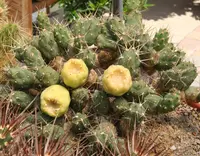
Cumulopuntia sphaerica is a small, clumping cactus from high Andean regions of South America. It forms low mats of rounded, jointed segments covered with sharp spines and fine bristles. In habitat, it experiences strong sun, large temperature swings, and very dry, rocky soils, which makes it naturally tolerant of drought and poor substrates. Its compact size and slow, steady growth suit container culture, but handling requires care due to the spines and tiny irritating glochids. For those who learn how to care for Cumulopuntia sphaerica, it can be a durable, low-maintenance plant that prefers bright light, very well-drained soil, and infrequent watering.

Care Difficulty
Easy Care

Light Preference
Full Sun

Water Requirements
Low Water

Temperature Preference
Cold Hardy

Hardiness Zone
7–10

Soil Texture
Sandy, Loamy, Rocky

Soil pH
Slightly acidic (6.5–7.0), Neutral (7.0)

Soil Drainage
Well-drained

Fertilization
Minimal (feed rarely)
Scan your plant to receive care tips personalized for your specific plant
Available on iOS and Android
This high-altitude cactus prefers strong sun but still needs gradual adjustment to intense exposure.
This species is highly drought-tolerant and needs careful, infrequent watering.
This cactus handles a broad temperature range but dislikes prolonged wet cold.
This cactus tolerates very dry air, so humidity is rarely a concern indoors or outdoors.
Cumulopuntia sphaerica prefers very fast-draining, mineral-based soil that dries quickly after watering.
This species is well suited to container growing when the pot prevents waterlogging and supports its spreading pads.
This drought-tolerant cactus needs only light feeding to maintain healthy growth in containers or poor soils.
Pruning Cumulopuntia sphaerica is mainly corrective, aimed at safety, plant health, and controlling spread.
This species is usually grown in the ground, but container plants or overcrowded clumps benefit from occasional transplanting.
Cumulopuntia sphaerica is commonly propagated from stem segments and, less often, from seed.
This cactus is fairly cold tolerant but benefits from dry, well-drained conditions in winter, especially in wet climates.

Plant Health Check
Not sure what's wrong with your plant? Check your plant's health inside the app.
This cactus is naturally distributed across high Andean regions of Peru, Bolivia, Chile, and Argentina, where it copes with intense sunlight, strong winds, and large daily temperature swings.
Its stems form small, nearly spherical segments that detach relatively easily, helping the plant spread locally when pieces break off and root in nearby soil.
Unlike many desert cacti, it tolerates frequent light frosts in its native range, an adaptation to high-elevation climates with cold nights.

In parts of the central Andes, its dense, cushion-like clumps help stabilize poor, stony soils, creating small microhabitats where seeds of other hardy plants can germinate and establish.
This species performs best outdoors in full sun and very well-drained, lean soil. Indoors it often becomes etiolated and weak. Cumulopuntia sphaerica indoor care is possible under strong artificial light, but outdoor conditions suit it far better.
Keep your plants happy and healthy with plant identification, disease detection, and easy care guidance.

Crassula rogersii
Crassula rogersii
Whipple cholla
Cylindropuntia whipplei
Blue Diamond cholla
Cylindropuntia multigeniculata
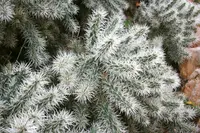
thistle cholla
Cylindropuntia tunicata
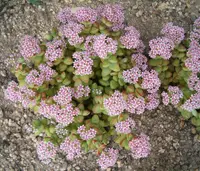
Concertina plant
Crassula rupestris
 POPULAR
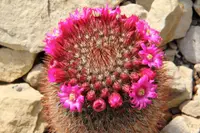
Spiny pincushion cactus
Mammillaria spinosissima
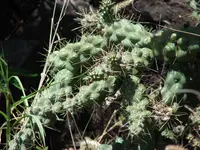
Chain-link Cholla
Cylindropuntia cholla
Cumulopuntia boliviana
Cumulopuntia boliviana