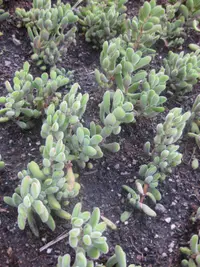
Globose Euphorbia Care (Euphorbia globosa)

Also known as: Globose Spurge, Round Milkball, Milkegg
Globose Euphorbia

About Globose Euphorbia

Euphorbia globosa, often called globose euphorbia, is a small succulent shrub with many rounded, bead-like stems that form dense clumps. It stays compact, making it suitable for containers and small indoor collections.

This species comes from arid regions of South Africa, where it grows in rocky, well-drained soils with strong light and infrequent rainfall. Its fleshy stems store water, so it tolerates short periods of neglect but is sensitive to overwatering.

Overall, it is moderately easy to grow if given bright light, very well-draining soil, and careful, sparse watering. Understanding how to care for Globose Euphorbia mainly involves avoiding excess moisture and protecting it from extreme cold.

Main Plant Requirements

Care Difficulty

Moderate Care

Light Preference

Full Sun

Water Requirements

Low Water

Temperature Preference

Tropical / Frost Sensitive

Hardiness Zone

10–11

Soil Texture

Sandy, Loamy, Rocky

Soil pH

Slightly acidic (6.5–7.0), Neutral (7.0)

Soil Drainage

Well-drained

Fertilization

Minimal (feed rarely)

Get Personalized Care Plan

Scan your plant to receive care tips personalized for your specific plant

Available on iOS and Android

How to Care for the Globose Euphorbia

This compact succulent prefers bright, dry conditions that mimic its native habitat.

  • Provide 6–8 hours of bright light daily, ideally with morning sun and light afternoon shade in hot climates, to avoid scorch on the small globes.
  • Outdoors, give full sun with some protection from intense summer midday sun; indoors, place Globose Euphorbia at a south- or west-facing window with only light filtering.
  • If stems elongate, lean, or lose patterning, light is too low; move gradually to a brighter spot over 7–10 days to prevent sunburn.

This species stores water in its globular stems and is highly sensitive to excess moisture.

  • Allow the top 3–5 cm of soil to dry completely before watering; in warm active growth this may mean watering every 10–21 days depending on heat and airflow.
  • In winter or cool periods, reduce watering sharply and only moisten the soil when it is dry all the way through to limit root rot risk.
  • Use a very fast-draining mineral-rich mix and a pot with drainage holes; soft, yellowing, or splitting stems suggest overwatering, while wrinkling and slight shriveling indicate it is time to water.

This succulent prefers warm, dry air and does poorly in cold, damp conditions.

  • Aim for 70–85°F (21–29°C) during active growth for best Euphorbia globosa plant care, with good airflow to prevent fungal problems.
  • Protect the plant from temperatures below 40°F (4°C); brief dips to 35°F (2°C) may be tolerated if completely dry, but frost can permanently damage tissue.
  • In hot spells above 95°F (35°C), offer light shade and avoid overhead watering in peak heat to reduce stress and potential sunburn on the globes.

This species handles typical indoor humidity well and rarely needs special adjustments.

  • Aim for 30–50% relative humidity, similar to most heated or air-conditioned homes.
  • Dry air usually does not stress Globose Euphorbia, but shriveling coupled with firm, dry soil points to underwatering rather than humidity issues.
  • If leaf-like segments wrinkle while soil remains slightly moist, increase humidity mildly with a nearby pebble tray rather than misting.

Soil for this species must be very fast-draining and mineral-rich to prevent root and stem rot.

  • Use a gritty mix such as 50% cactus potting mix with 50% mineral material like pumice, coarse sand, or small lava rock.
  • Aim for a loose, open texture that lets water run through in seconds and leaves air pockets around the roots.
  • Keep pH slightly acidic to neutral, around 6.0–7.0, which suits Euphorbia globosa and most other succulents.
  • Avoid peat-heavy, compacted, or moisture-retentive mixes; add extra pumice or coarse sand if water lingers on the surface.

This compact succulent is highly suitable for container growing.

  • Select a shallow, wide pot so the horizontally spreading root system can anchor the clustered spheres without excess wet substrate below.
  • Choose unglazed terracotta when possible, as its porous walls help excess moisture evaporate faster after infrequent deep waterings.
  • Place the container where it cannot be easily knocked over, since the top cluster becomes heavier than the shallow root system as it matures.

Euphorbia globosa is a slow-growing succulent that benefits from light feeding during its active season in spring and summer.

  • Use a diluted balanced liquid fertilizer (around 10-10-10 or 20-20-20) at 1/4–1/2 strength for pots with mineral, gritty soil.
  • Feed every 4–6 weeks during active growth, skipping any application if the plant shows soft, elongated, or pale new tissue.
  • Avoid compost-rich mixes; this species prefers lean, fast-draining substrates with minimal organic matter to prevent root rot.
  • Stop feeding in fall and winter when growth slows, since excess nutrients at low light and temperatures increase stress risk.

Euphorbia globosa needs very little pruning, mainly to maintain health and a compact form.

  • Carry out light pruning in late spring or early summer, when growth is most active and recovery is fastest.
  • Remove dead, shriveled, diseased, or mechanically damaged heads with clean, sharp scissors or a sterile knife.
  • Thin out crowded or crossing stems only if they trap moisture or cause shading, which can invite rot.
  • Wear gloves and avoid skin contact with the milky sap, allowing cut surfaces to dry and callus in bright, indirect light.

This compact species grows slowly and prefers infrequent repotting in a stable, shallow container.

  • Check for roots circling the pot base, reduced drainage, or slowed growth as signs that Euphorbia globosa is becoming pot-bound.
  • Plan repotting every 3–4 years in late spring, when temperatures are warm and the plant resumes active growth.
  • Use a slightly wider pot with excellent drainage and a coarse, mineral-rich cactus mix to limit moisture retention around the roots.
  • Minimize root disturbance, keep the root ball largely intact, and withhold water for 3–5 days after repotting to let any small injuries heal.

This species is typically propagated from stem offsets rather than seeds, which are less commonly available.

  • Take firm, healthy offsets in late spring or early summer using a clean, sharp knife, and avoid very soft or etiolated growth.
  • Rinse away latex sap, then allow cut surfaces to dry and callus for several days in a warm, shaded place.
  • Plant offsets in a gritty, barely moist cactus mix, burying only the callused base and keeping good air circulation.
  • Maintain bright, indirect light and moderate warmth (70–80°F), watering sparingly until roots form and new growth appears.

This succulent is frost-sensitive and needs careful winter management in most temperate climates.

  • Move containers indoors or to a bright, frost-free space once night temperatures drop below 40°F.
  • Provide cool but not cold conditions around 50–60°F with maximum light and very low air humidity.
  • Water lightly and infrequently, allowing the mix to dry almost completely to prevent root rot during semi-dormancy.
  • Keep the plant away from cold drafts and single-pane windows where sudden temperature drops can damage tissue.

Care Tips

Segment support rocks

Place a few clean, heavy stones around the base to stabilize older spherical segments and prevent toppling or breakage as the clump enlarges in a shallow pot.


Calcium-safe handling

When repotting or dividing, wear gloves and allow any damaged surfaces that exude white sap to dry and callus for 24–48 hours before replanting to reduce rot risk and protect your skin.

Targeted root inspection

Every 1–2 years, unpot the plant at the start of the warm season to check for blackened or mushy roots, trim them off with a sterilized blade, and replant in fresh, dry mix.

Segment selection pruning

If the clump becomes crowded, remove a few small outer globes rather than large central ones, which keeps the plant compact and reduces stress on the main root system while growing Globose Euphorbia.

Cold-season protection

In regions with cool nights, keep the pot on a slightly raised surface indoors or under a cold frame outdoors so the root zone stays drier and less exposed to cold, which lowers the chance of winter rot.

Common Pests and Diseases

Mealybugs

This pest hides in crevices between the globose stems and at the base of growth points, sucking sap and causing dull, stunted heads and sticky honeydew. Symptoms include cottony white clusters that are often first seen near the stem joints or on roots in the potting mix.

Solution

Isolate the plant, then dab visible insects with cotton swabs dipped in 70% isopropyl alcohol and repeat weekly until no new clusters appear. For heavier infestations, unpot the plant, rinse roots gently, remove infested soil, repot in fresh gritty mix, and apply a systemic insecticide labeled for succulents, keeping the plant slightly drier for a short period afterward.

Root mealybugs

These insects live on the roots and lower stem underground, feeding on sap and causing slow decline, poor growth, and eventual collapse despite apparently normal watering. Symptoms include white, cottony masses on roots when the plant is unpotted and soil that may contain fine, fluffy residue.

Solution

Remove the plant from its pot, discard all old soil, and thoroughly rinse or gently brush roots to remove insects and egg sacs. Soak the root zone briefly in a dilute systemic insecticide solution or 70% isopropyl alcohol, allow roots to dry for several hours, then repot in fresh, sterile, very free-draining mix and keep isolated while monitoring for reinfestation.

Spider mites

These pests prefer dry, warm conditions and attack the small green heads, causing a grayish, rough surface and fine scarring that makes the plant look dusty or faded. This pest can also spin fine webbing between heads and along the plant surface, especially in low-humidity indoor environments.

Solution

Rinse the plant thoroughly with a firm but gentle stream of water, including between the globose stems, then allow it to dry in bright, indirect light. Follow up with several cycles of insecticidal soap or neem oil spray at 5–7 day intervals, and slightly increase ambient humidity and airflow to discourage new colonies, an approach that aligns well with Euphorbia globosa care instructions for indoor collections.

Corking and sun scorch

This disorder appears as brown, corky patches on the exposed sides of the globes or sharply defined bleached areas after sudden exposure to strong sun. Symptoms include hardened, bark-like tissue that does not reverse, and in extreme cases tissue cracking or deformity of new heads.

Solution

Move the plant to a spot with bright, indirect light and gradually increase sun exposure over 1–2 weeks to harden the tissue. Remove only severely damaged or cracked heads with a sterile blade, allow wounds to dry and callus in a dry, airy place, and avoid overhead watering that keeps damaged tissue wet.

Powdery mildew

This disease can occur in crowded, poorly ventilated collections and shows as patchy white, powder-like growth on the globes or at the junctions between them. Symptoms include a dull, dusty appearance and reduced vigor, especially when days are warm and nights are cool with limited airflow.

Solution

Improve spacing and airflow around the plant and avoid high humidity or frequent misting. Gently wipe or rinse off visible growth, then apply a sulfur-based or potassium bicarbonate fungicide suitable for succulents, keeping the plant in a bright, dry, well-ventilated location until symptoms stop spreading.

Interesting Facts

Miniature stem spheres

This species forms clusters of small, almost perfectly globular stem segments that function as both photosynthetic organs and water-storage tissues, an adaptation to its arid South African habitat.

Camouflaged growth habit

Its grey‑green, mottled stem surface and low, clumping habit allow the plant to blend into gravelly or rocky surroundings, making it less visible to herbivores in the wild.

Specialized cyathium flowers

Instead of typical showy petals, it produces reduced, cup-like inflorescences called cyathia that bear tiny nectar glands and are specialized for attracting small pollinating insects.

Botan icon

Did you know?

Like many spurges, this species contains a white, latex-like sap that is part of its defense system against herbivores and pathogens, and the sap can cause skin and eye irritation in humans if proper care is not taken when handling or pruning the plant.

FAQs about Globose Euphorbia

This species adapts well to containers indoors or outdoors if kept dry and bright. In cooler or wetter climates, sheltered indoor or greenhouse conditions usually give more consistent growth and simplify how to take care of Globose Euphorbia.

Grow Healthy Plants with Botan Care

Keep your plants happy and healthy with plant identification, disease detection, and easy care guidance.

Botan plant care app — identify plants on mobile

Explore More Plants