Neoraimondia macrostibas Care (Neoraimondia arequipensis)

Neoraimondia macrostibas

About Neoraimondia macrostibas

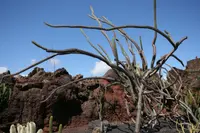
Neoraimondia macrostibas, often treated as Neoraimondia arequipensis, is a tall, columnar cactus native to the dry valleys and high deserts of Peru and neighboring regions. It forms branched, tree-like clumps with thick, ribbed stems and short but sturdy spines.

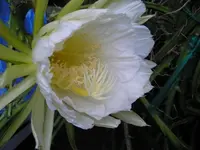
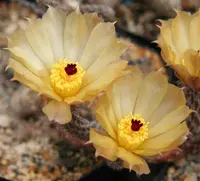
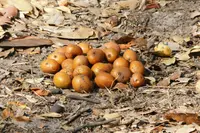
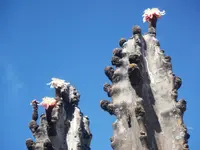
As it matures, it can become a striking architectural specimen with a slow but steady growth rate. Flowers and fruits are usually produced high on the stems and may appear only on older plants.

This species prefers strong light, very well-drained mineral soil, and sparse watering, which can make it fairly manageable for growers who understand how to care for Neoraimondia macrostibas.

Main Plant Requirements

Care Difficulty

Moderate Care

Light Preference

Full Sun

Water Requirements

Low Water

Temperature Preference

Tropical / Frost Sensitive

Hardiness Zone

10–12

Soil Texture

Sandy, Loamy, Rocky

Soil pH

Slightly acidic (6.5–7.0), Neutral (7.0)

Soil Drainage

Well-drained

Fertilization

Minimal (feed rarely)

Get Personalized Care Plan

Scan your plant to receive care tips personalized for your specific plant

Available on iOS and Android

How to Care for the Neoraimondia macrostibas

This tall Peruvian cactus thrives in strong, direct light similar to its native desert habitat, and caring for Neoraimondia macrostibas is very similar.

  • Provide 6–10 hours of direct sun daily outdoors; full sun from morning through afternoon is ideal once plants are acclimated.
  • In very hot, arid areas, give light afternoon shade or filtered light to prevent sunscald on young or recently moved plants.
  • In winter, ensure the site stays as bright as possible; insufficient sun leads to pale, elongated stems that lose their strong vertical form.

Neoraimondia arequipensis is a drought-tolerant cactus that prefers deep but infrequent watering with thorough drying between soakings.

  • Allow the top 5–10 cm of soil to dry completely before watering; in hot, dry seasons this may mean soaking the root zone every 2–4 weeks.
  • Use very fast-draining, gritty soil and raised beds or mounds so water never stands around the roots after rain or irrigation.
  • Reduce watering sharply in cool seasons; wrinkling ribs suggest mild thirst, while yellowing, soft, or blackened tissue indicates overwatering and possible rot.

This desert-column cactus prefers consistently warm, dry conditions and is poorly adapted to cold or prolonged damp.

  • Optimal growing temperatures are 70–90°F (21–32°C), with warm days and cooler, dry nights supporting steady stem extension.
  • The plant tolerates brief heat spikes up to about 100–105°F (38–41°C) if soil drains well and airflow is good, but growth may pause.
  • Avoid frost; damage often starts near 32°F (0°C) and serious injury occurs below 28°F (-2°C), so provide protection or relocate plants before hard freezes.

This cactus thrives in dry air and rarely needs humidity adjustment indoors.

  • Aim for 20–40% relative humidity, similar to many heated indoor rooms, without active boosting.
  • Dry air is tolerated; problems arise more from excess moisture, seen as soft, pale, or yellowing stem tissue.
  • If indoor humidity exceeds 60%, increase air movement and space it from other plants to reduce stagnant, damp air, as for caring for Neoraimondia macrostibas.

Neoraimondia arequipensis needs a very fast-draining, mineral-rich substrate that prevents prolonged moisture around the roots.

  • Use a gritty cactus mix: 50–60% inorganic material such as pumice, coarse sand, or small gravel, with the rest a coarse cactus potting base.
  • Aim for slightly acidic to neutral pH around 6.0–7.0, avoiding strongly acidic or alkaline media that can limit nutrient uptake.
  • Improve aeration by using large particle sizes (3–7 mm) and avoiding fine peat or dense compost that compacts and holds water too long.
  • Avoid heavy loam, regular garden soil, or mixes rich in water-retentive peat, as these significantly increase root rot risk.

This species is suitable for container growing, especially in cooler or wetter climates where ground conditions are less ideal.

  • Choose a deep, heavy container to counteract the tall, columnar growth and reduce tipping in wind or accidental bumps.
  • Select unglazed clay if extra evaporation is needed, or a thicker-walled pot in hot, dry areas to slow substrate drying near the surface.
  • Position the container on pot feet or bricks so water drains freely from the base and does not pool under the pot after rain or watering.

This desert cactus needs only light feeding to support slow, steady growth in containers.

  • During spring–summer, apply a balanced low-nitrogen cactus fertilizer at 1/4–1/2 label strength every 6–8 weeks.
  • Use a dilute liquid or slow-release granular product; avoid rich compost that holds excess moisture.
  • Stop feeding in fall–winter when growth stops, as Neoraimondia macrostibas and related species rest in cooler seasons.
  • Always water lightly before fertilizing to reduce root burn risk in this drought-adapted plant.

Neoraimondia arequipensis needs very minimal pruning, focused on safety and plant health rather than shaping.

  • Best timing is late spring, once active growth resumes and frost risk has passed.
  • Remove dead, damaged, diseased, or rubbing stems using long-handled, sharp, disinfected loppers or a pruning saw.
  • Limit cuts to smaller sections; large wounds heal slowly and can invite rot in this columnar cactus.
  • Use tongs or thick gloves to handle stems and maintain the natural upright form without heavy shaping.

This slow-growing columnar cactus dislikes frequent disturbance, so repot or transplant Neoraimondia arequipensis only when clearly necessary.

  • Look for roots circling the pot, pushing out drainage holes, or noticeably slowed growth as signals to move up one container size.
  • Plan repotting or outdoor transplanting in late spring, when temperatures are stable and soil is warming.
  • Expect container plants to need repotting about every 3–5 years, focusing on improving drainage rather than pot size alone.
  • Support the stem, gently loosen the root ball, trim only dead roots, and keep soil slightly dry for several days afterward to limit stress and rot.

Propagation of Neoraimondia arequipensis is usually done from seed and is moderate in difficulty for home growers.

  • Sow fresh seeds in late spring–early summer in a sterile, very gritty cactus mix with excellent drainage.
  • Provide bright, indirect light, 70–80°F warmth, and consistently lightly moist (not wet) conditions for germination.
  • If using stem cuttings, allow pieces to callus for 2–4 weeks, then place on barely moist, sandy mix.
  • Maintain good air circulation and avoid direct, intense sun until seedlings or cuttings are well established.

This cactus is sensitive to hard frost and needs dry, cool, but not freezing conditions in winter, especially in containers.

  • Aim to keep plants above about 35–40°F; brief light frosts may mark tissues and increase rot risk.
  • In the ground, use a gravelly, fast-draining mound and a light gravel mulch to keep the root zone dry.
  • For potted plants in cold climates, move under cover or indoors to a bright, unheated, frost-free space.
  • Keep soil almost completely dry in winter so chilled roots are not sitting in moisture.

Care Tips

Sturdy column support

Install a rigid stake or discreet metal post next to the main stem while the plant is still young so the tall, heavy column has support against wind and accidental knocks without stressing the root system later.

Rock mulch barrier

Apply a 2–5 cm layer of coarse gravel or small rocks over the soil surface to keep the stem base dry, reduce fungal risk, and discourage fungus gnats that thrive in exposed, damp potting mix.

Gradual sun hardening

When moving a plant from greenhouse, indoors, or shade into stronger sun, increase light in small steps over 2–3 weeks to avoid corky sunburn patches on the ribs.

Winter dryness strategy

In regions with cool, bright but dry winters, keep the plant completely dry and use a breathable clay pot so the root zone stays aerated, which reduces the chance of root rot during dormancy.

Safe handling routine

Handle the plant with thick leather or specialized cactus gloves and use folded newspaper or a foam strip as a sling around the stem, which lets you repot, rotate, or inspect spines and areoles without damaging tissue or injuring yourself while growing Neoraimondia macrostibas.

Common Pests and Diseases

Cochineal scale

This pest forms white, cottony clusters on ribs and spines, often accompanied by sticky residue and localized yellowing of the stem. These insects feed on cactus sap and can weaken growth over time.

Solution

Isolate the plant, then dab insects and clusters with cotton swabs soaked in 70% isopropyl alcohol, repeating weekly until no new patches appear. Improve light and air movement, and if the infestation is heavy, use a systemic insecticide labeled for cacti, following the product rate and safety instructions carefully.

Mealybugs

This pest appears as small, white, fuzzy insects in crevices between ribs and around areoles, sometimes causing slight shriveling. These insects excrete honeydew, which can support sooty mold on the stem surface.

Solution

Remove visible mealybugs with a soft brush or cotton swab dipped in 70% isopropyl alcohol, and inspect the plant regularly for hidden individuals. For persistent problems, use a systemic insecticide or a ready-to-use insecticidal soap formulated for succulents, making sure the plant is in bright, indirect light and not water-stressed when treated.

Spider mites

This pest causes a dull, dusty appearance on stems, with fine webbing often visible between spines under close inspection. These insects thrive in hot, very dry conditions and can cause uneven, patchy discoloration.

Solution

Rinse the cactus thoroughly with a strong but controlled stream of water, focusing on ribs and spine bases, then allow it to dry in bright, airy conditions. If mites persist, apply a miticide or insecticidal soap labeled for spider mites, rotating products if needed and slightly increasing ambient humidity without wetting the soil frequently.

Fungal stem spots

This disease produces small sunken or corky brown spots on the green stem that can slowly enlarge, often starting where minor mechanical damage occurred. Symptoms include localized discoloration that may remain superficial but can deepen if conditions stay humid and warm.

Solution

Cut out small, clearly defined lesions with a sterile blade if feasible, then allow the wound to dry and callus in a warm, dry, bright location. Reduce overhead watering, increase airflow, and if spotting spreads, apply a copper-based fungicide or other cactus-safe fungicide according to label directions to limit further infection while adjusting watering habits in line with Neoraimondia arequipensis care instructions.

Bacterial soft rot

This disease leads to rapidly soft, water-soaked, foul-smelling tissue, often starting at a wound, areole, or base of a rib. Symptoms include collapse of affected sections and possible oozing when pressed.

Solution

Immediately remove and discard all soft, discolored tissue with a sterile knife, cutting back into firm, healthy tissue and sterilizing the blade between cuts. Allow the cactus to dry in very warm, dry air so wounds can callus, avoid watering until the surface is fully dry, and improve future hygiene by preventing injuries, keeping tools clean, and avoiding water sitting on the stem for extended periods.

Interesting Facts

Peruvian coastal specialist

This cactus is naturally distributed along the arid western slopes of the Andes in Peru and northern Chile, where it grows on rocky, well-drained soils exposed to strong sunlight and large day–night temperature swings.

Ant-associated nectar glands

Besides its large tubular flowers, it bears extrafloral nectaries on the stems that secrete nectar, attracting ants that may help deter herbivores from feeding on the cactus.

Columnar, branching habit

Mature plants form tall, tree-like clumps of upright stems that can branch from near the base, giving them a candelabra-like appearance in their native habitat.

Botan icon

Did you know?

In parts of coastal Peru, mature Neoraimondia arequipensis plants are important nurse cacti, providing shade and physical protection that help seedlings of other desert plants establish in the harsh, exposed environment.

FAQs about Neoraimondia macrostibas

This columnar cactus grows slowly but can eventually reach 3–5 m in the ground in warm climates. In containers it usually stays much shorter, often 1–2 m, depending on pot size and long‑term care.

Grow Healthy Plants with Botan Care

Keep your plants happy and healthy with plant identification, disease detection, and easy care guidance.

Botan plant care app — identify plants on mobile

Explore More Plants