organpipe cactus Care (Stenocereus thurberi)

organpipe cactus

About organpipe cactus

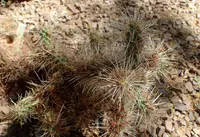
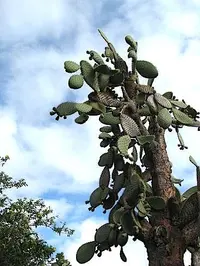
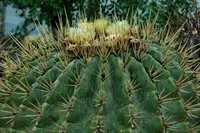
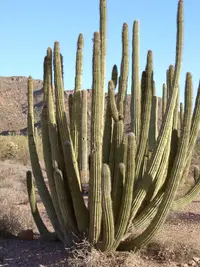
The organpipe cactus, Stenocereus thurberi, is a large, columnar cactus native to the Sonoran Desert of the southwestern United States and northwestern Mexico. It grows as multiple tall, ribbed stems rising from a single base, forming a clump that can resemble a pipe organ.

This species is adapted to intense sun, heat, and drought, storing water in its fleshy stems and relying on a shallow, efficient root system. It is relatively slow growing and long lived, which makes it sensitive to overwatering and poorly drained soils.

For those learning how to care for organpipe cactus, its main needs are strong light, minimal moisture, and gritty, fast-draining soil to prevent rot and stress.

Main Plant Requirements

Care Difficulty

Moderate Care

Light Preference

Full Sun

Water Requirements

Low Water

Temperature Preference

Tropical / Frost Sensitive

Hardiness Zone

9–11

Soil Texture

Sandy, Rocky, Loamy

Soil pH

Slightly acidic (6.5–7.0), Neutral (7.0)

Soil Drainage

Well-drained

Fertilization

Minimal (feed rarely)

Get Personalized Care Plan

Scan your plant to receive care tips personalized for your specific plant

Available on iOS and Android

How to Care for the organpipe cactus

This desert cactus needs intense, direct sun to keep stems compact and healthy.

  • Provide 6–10 hours of direct sun daily; full, open exposure suits organpipe cactus in most arid or semi-arid climates.
  • Young or recently transplanted plants benefit from 1–2 weeks of light shade cloth to prevent sunburn before full-sun exposure.
  • In hot summers, strong afternoon sun is fine if soil drains quickly; pale, elongated stems signal too little light, while bronzing or scarring suggests sun stress.

Stenocereus thurberi needs sparse, deep watering with long dry periods between soakings.

  • Water only when the top 5–10 cm of soil are completely dry; in hot, dry seasons this may be every 2–4 weeks, less often in cool weather.
  • Use very fast-draining, gritty soil and raised beds or mounds so water never pools around the roots after rain or irrigation.
  • Wrinkling ribs and slight softness suggest it is time to water; persistent swelling, yellowing, or blackened tissue indicates overwatering and possible rot.

This species thrives in hot, arid climates and is highly sensitive to prolonged cold and frost.

  • Ideal growing temperatures are 70–95°F (21–35°C), with warm days and cooler, dry nights that mimic desert conditions.
  • Short exposures down to 28–32°F (-2–0°C) may be survived if the plant is completely dry, but tissue damage becomes likely at or below freezing.
  • It tolerates extreme heat above 100°F (38°C) if soil drains well and air moves freely; avoid humid, cool conditions, especially in winter, to reduce rot risk.

This desert cactus prefers very dry air and rarely suffers from low indoor humidity.

  • Target 20–40% relative humidity, similar to typical heated indoor air or arid outdoor conditions.
  • Dry, corky stem patches with no other stress signs can indicate prolonged overly humid, stagnant air.
  • If humidity regularly exceeds 50%, increase air movement with a fan and avoid clustering plants close together to prevent fungal issues.

Use a very fast-draining, mineral-heavy mix that mimics rocky desert ground.

  • Choose a gritty, sandy substrate with coarse particles; aim for at least 60–70% inorganic material such as pumice, coarse sand, and small gravel.
  • Keep pH slightly acidic to neutral (pH 6.0–7.2), which suits Stenocereus thurberi while limiting nutrient lockout problems.
  • Blend 1 part cactus potting mix with 2 parts mineral amendments like pumice, perlite, and crushed lava rock to maximize drainage and aeration.
  • Avoid dense, peat-heavy or clay-based mediums that stay wet, since slow drying around the roots quickly leads to rot.

This species adapts well to container growing when the pot and setup manage weight and drainage carefully.

  • Select a deep, heavy container that resists tipping as the tall stems gain height and mass.
  • Use a slightly wider base than top to stabilize the plant against wind or accidental bumps on balconies or patios.
  • Raise the pot on feet or bricks so drainage holes clear the ground and water exits quickly after rain or irrigation.

This desert cactus needs only light feeding to support slow, healthy growth in containers or lean soils.

  • Use a diluted balanced liquid fertilizer (around 10-10-10) at 1/4–1/2 strength during the warm growing season.
  • Feed potted plants every 4–6 weeks in spring and summer; in-ground organpipe cactus usually needs no added nutrients.
  • Choose formulations for cacti or use low-nitrogen slow-release granules lightly mixed into the topsoil.
  • Stop feeding in fall and winter to avoid soft, frost-sensitive growth during dormancy.

Stenocereus thurberi rarely needs structural pruning and is usually maintained with minor cleanup.

  • Carry out any pruning in late spring or early summer when growth is active and conditions are dry.
  • Remove only dead, diseased, storm-damaged, or rubbing stems using clean, sharp loppers or a pruning saw.
  • Limit cuts to the minimum needed, as heavy removal disfigures the plant and slows recovery.
  • Disinfect tools before and after use to reduce the risk of fungal or bacterial infection in wounds.

Container-grown plants and young transplants benefit from careful, infrequent moves into slightly larger, very free-draining spaces.

  • Check for roots circling the pot drainage holes, compacted soil, or stalled growth as signs it needs a larger container or site.
  • Plan repotting or transplanting in late spring, allowing warm soil and long days to support new root growth.
  • Expect repotting every 3–5 years for potted plants; garden specimens are rarely moved once established.
  • Wear thick gloves, keep the original soil level, disturb roots as little as possible, and water lightly after transplanting.

New plants are usually produced from stem cuttings or seeds, both requiring warmth and very sharp drainage.

  • Take cuttings in late spring or early summer, then air-dry the cut surfaces for 1–2 weeks until a firm callus forms.
  • Set callused cuttings upright in sterile, gritty cactus mix and keep slightly moist, with bright light and 70–85°F temperatures.
  • Sow seeds on the surface of a fine, well-drained mix, barely cover, and maintain gentle warmth and even, light moisture.
  • Provide bright, indirect light for seedlings or fresh cuttings and increase sun exposure only after strong roots develop.

This species is somewhat frost tolerant in arid climates but benefits from basic winter precautions, especially in containers.

  • In-ground plants in mild, dry regions handle brief drops near 20–25°F if soil drains very quickly.
  • Keep container plants above 35–40°F; move pots indoors or into an unheated bright garage or sunroom.
  • Ensure soil stays almost dry in winter to reduce risk of root rot under cool conditions.
  • Use coarse gravel mulch around the base to shed water rather than to insulate with moisture-holding materials.

Care Tips

Rocky root zone

Top-dress the soil surface with a 2–5 cm layer of coarse gravel or pumice to stabilize the tall stems, keep the stem base dry, and reduce splash-borne rot spores.

Gradual sun hardening

When moving a plant from indoors or shade to high desert sun, increase direct light over 2–3 weeks by shifting it a little closer to full sun every few days to prevent corky sunburn scars on the ribs.

Cold rain protection

In regions with cool, wet winters, place the pot under a simple rain shield or eave from late fall to early spring so the root zone stays mostly dry when temperatures drop below 50°F.

Weighted stability check

For tall, multi-stem plants in containers, choose a heavy, wide pot and add extra gravel at the bottom so the weight-to-height ratio prevents tipping in strong winds or accidental bumps.

Safe handling routine

Use folded newspaper, thick foam, or dedicated cactus tongs around the ribs when repotting or rotating the plant so the epidermis is not bruised and spines do not break, which supports long-term health when growing organpipe cactus.

Common Pests and Diseases

Cochineal scale

This pest appears as white, cottony or crusty clusters along ribs and areoles, often exuding red carminic dye when crushed. Symptoms include slow growth, yellowing tissue near feeding sites, and honeydew that can attract sooty mold.

Solution

Remove infested pads or stems if localized and scrub remaining colonies off with a soft brush dipped in diluted alcohol or insecticidal soap, taking care not to damage the epidermis. Improve sun exposure and airflow, and repeat treatments weekly until no new insects appear; for severe outdoor infestations, a targeted systemic insecticide labeled for cacti may be used according to label directions.

Cactus longhorn beetle

This pest chews large, ragged holes in stems and its larvae tunnel inside, causing internal damage, collapse of segments, and sudden dieback of columns. Symptoms include blackened entry holes near the base and weakening or leaning of affected stems.

Solution

Handpick and destroy adult beetles at dusk or night when they are most active and remove and discard heavily bored stems to eliminate larvae. Maintain plant vigor with proper light and drainage, avoid wounding tissue, and use physical barriers or trunk wraps around the base of young plants in areas where this beetle is common.

Bacterial soft rot

This disease causes water-soaked, foul-smelling, soft areas on stems that quickly collapse and may ooze liquid. Symptoms include darkened, sunken patches that spread rapidly in warm, humid or poorly ventilated conditions.

Solution

Cut away all affected tissue back into firm, healthy, green flesh using a sterilized knife, then allow the wound to dry and callus in full sun and good airflow. Discard infected material in the trash, avoid overhead watering or splashing, and sterilize tools and any pots or supports that contacted the rot to prevent reinfection.

Fusarium stem canker

This disease produces dry, sunken, often reddish-brown or purple lesions on ribs that may expand and girdle a stem over time. Symptoms include localized shriveling above the canker and slowed or halted growth on affected columns.

Solution

Prune out diseased portions several centimeters above visible damage with sterilized tools and allow the cut surfaces to dry and callus in bright, dry conditions. Do not overhead water, avoid mechanical injury that opens infection courts, and if the plant is in a container, repot into fresh, sterile, very free-draining mix while discarding old soil and cleaning the pot.

Sunburn and corking

This disorder develops as pale, bleached, or reddish patches on sun-exposed sides that later turn tan and corky, especially after sudden exposure to intense sun. Symptoms include permanent scarring on the epidermis but usually limited impact on overall plant health if not extreme.

Solution

Acclimate plants gradually when moving from shade or greenhouse to full sun by increasing light over 7–14 days and rotate pots so one side does not receive all the intense exposure. Provide strong but not sudden midday sun for organpipe cactus indoor care, and avoid reflective surfaces that can focus heat onto stems in very hot locations.

Interesting Facts

Night-blooming bat partner

This cactus opens its large white flowers at night and relies mainly on nectar-feeding bats, especially the lesser long-nosed bat, for pollination across its native Sonoran Desert range.

Keystone desert food

Its sweet red fruits, sometimes called pitaya dulce, are an important seasonal food for desert wildlife and have long been harvested and eaten fresh or fermented by Indigenous communities of the Sonoran Desert.

Architecture from many stems

Mature plants typically form dense clumps of upright, organ pipe–like stems that can reach several meters tall, creating shaded microhabitats that shelter seedlings and small animals from extreme desert heat.

Botan icon

Did you know?

Genetic and ecological studies show that the migration routes of nectar-feeding bats in the Sonoran Desert closely track the flowering period of this cactus, so the plant’s bloom timing helps shape large-scale bat movements across northern Mexico and the southwestern United States.

FAQs about organpipe cactus

Growth is relatively slow. In cultivation, young plants may add only a few cm per year. With age and ideal desertlike conditions, stems can lengthen more quickly, but reaching full, multi-armed size still takes many decades.

Grow Healthy Plants with Botan Care

Keep your plants happy and healthy with plant identification, disease detection, and easy care guidance.

Botan plant care app — identify plants on mobile

Explore More Plants