Which Plants Classify as Vegetables?
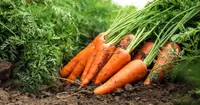
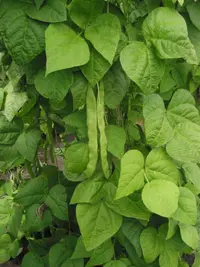
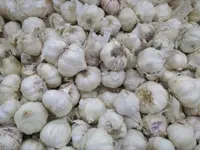
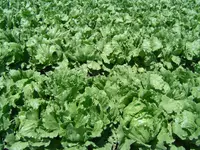
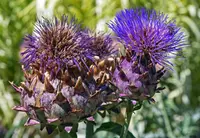
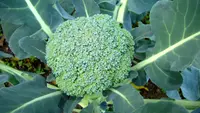
All vegetables have one thing in common. They are plants with at least one edible part. For example, carrots and beets have edible roots, celery and asparagus have edible stems, while lettuce and spinach have edible leaves. Broccoli, artichokes, and cauliflower have edible immature flowers.
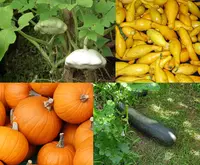
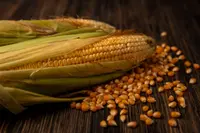
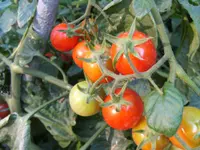
This entire category is culinary rather than botanical. Many plants we call vegetables are scientifically fruits. These include tomatoes, zucchini, cucumbers, corn, and many other plants.
Key Types Explained
Vegetables are classified by their edible part, and here are some of the main categories:
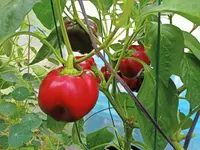
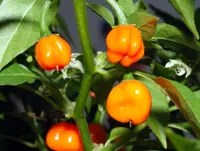
Note that technically, a fruit is also a structural part of the plant, so tomatoes, peppers, zucchini, and many other garden plants can belong to this category.
Vegetables in Numbers: How Many Are Widely Grown?
According to recent studies, there are 1,097 vegetables. Nearly 500 of them are grown for leaves, 220+ for multiple parts simultaneously, 200+ for roots, 90 for fruit and seeds, and 80+ for flowers and stems.
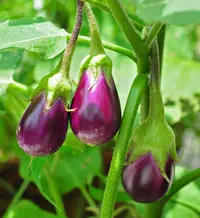
Only about 400 crops are commercially grown, and roughly 30 of them are the most widely produced. These include the absolute champions — tomatoes, followed by onions, cucumbers, cabbages, and eggplants.
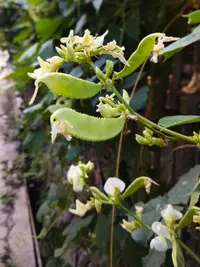
The truth is, we are familiar with less than 10% of vegetables. Species such as Winged Bean and Moringa also fall into this category. They are just less known and found mainly in their native regions.
Browsing Common & Rare Vegetables with Botan
Here, you’ll find all vegetable names and full plant profiles. Our selection includes both common species, such as potatoes, and rare species, such as Salsify, Scorzonera, and Skirret.
Just browse the list above, apply filters to narrow your search, and explore various crops and plants in the category.