Train Long Vines
Guide young vines along a single direction using soft ties or loose loops around stakes or trellis wires so that fruits have space, airflow stays good, and you can access plants easily for harvest and pest checks.

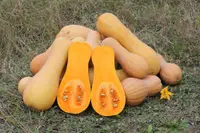
Butternut pumpkin, Cucurbita moschata, is a warm-season annual vegetable grown for its sweet, dense, tan-skinned fruits. It forms long, trailing vines or compact bushy plants, depending on the variety.
This species originates from the Americas and is now widely cultivated in home gardens and farms in many temperate and subtropical regions. Plants are generally vigorous and fast-growing when temperatures are warm.
It is considered relatively easy to grow if given full sun, space to spread, and well-drained, fertile soil. Understanding how to care for Butternut Pumpkin focuses mainly on providing consistent moisture and protection from frost.

Care Difficulty
Moderate Care

Light Preference
Full Sun

Water Requirements
Regular Water

Temperature Preference
Tropical / Frost Sensitive

Hardiness Zone
9–11

Soil Texture
Sandy, Loamy, Organic-rich

Soil pH
Acidic (5.5–6.5), Slightly acidic (6.5–7.0)

Soil Drainage
Moist but well-drained

Fertilization
Moderate (every 2–4 weeks)
Scan your plant to receive care tips personalized for your specific plant
Available on iOS and Android
This warm-season crop needs strong, direct sun to produce high yields and healthy fruit.
This plant prefers consistently moist, not soggy, soil that never stays waterlogged.
This species is a true warm-season plant and is very sensitive to cold and frost.
Humidity is rarely a limiting factor for Cucurbita moschata grown outdoors in typical US climates.
This species performs best in deep, loose, nutrient-rich soil that drains freely but holds consistent moisture.
This species can be grown in large containers, but vigorous vines make it more demanding than compact crops.
Cucurbita moschata benefits from steady nutrition during its fast warm-season growth, especially in poor soils.
Pruning Cucurbita moschata is optional but can guide growth, improve airflow, and support fruit quality.
This species is usually grown as an annual in the ground, so focus on careful transplanting rather than long-term repotting.
Cucurbita moschata is propagated almost exclusively from seed for each growing season.
This warm-season annual squash has no true winter dormancy and is killed by freezing temperatures, so protection focuses on season end.

Plant Health Check
Not sure what's wrong with your plant? Check your plant's health inside the app.
This species is naturally adapted to hot, humid lowland tropics, which is why it often sets fruit and resists stress better than many Cucurbita pepo squashes in warm, wet climates.
The fruits typically cure and store well for several months under good conditions due to their relatively thick rind and dense, low-water flesh compared with many other domesticated squashes.
Many varieties show relatively good tolerance to squash vine borer and some foliar diseases compared with closely related squash species, making Cucurbita moschata plant care somewhat easier in regions where these pests are common.

Archaeological and genetic evidence indicate that this species was domesticated independently in multiple regions of the Americas thousands of years ago, and it became a key staple crop for pre-Columbian societies long before European contact.
Yellowing leaves often come from nitrogen deficiency, natural aging of older foliage, root damage, or soil staying too wet. Check for soggy soil, compacted roots, and pests, then adjust fertilizing and watering to stabilize the plant.
Keep your plants happy and healthy with plant identification, disease detection, and easy care guidance.