Common Garcinia Care (Garcinia subelliptica)

Common Garcinia

About Common Garcinia

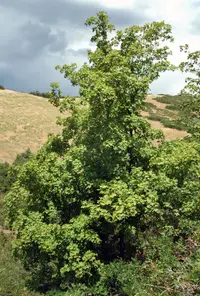
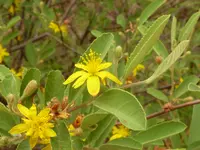
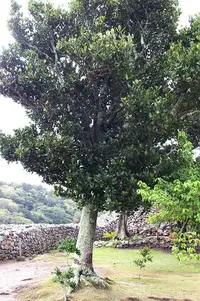
Common garcinia (Garcinia subelliptica) is an evergreen shrub or small tree valued for its dense foliage and neat, rounded crown. It carries thick, glossy, oval leaves and produces small yellow flowers followed by rounded fruit. Native to coastal areas of Taiwan, the Ryukyu Islands, and nearby regions, it naturally tolerates wind and salt spray. This makes it a popular choice for seaside gardens and hedges in warm climates.

The plant grows slowly to moderately and can be shaped easily, which suits it to formal hedging or screens. It generally prefers bright light, well-drained soil, and steady moisture. These traits make it relatively straightforward to care for Common Garcinia in suitable outdoor conditions.

Main Plant Requirements

Care Difficulty

Moderate Care

Light Preference

Full Sun

Water Requirements

Moderate Water

Temperature Preference

Tropical / Frost Sensitive

Hardiness Zone

11–12

Soil Texture

Sandy, Loamy, Organic-rich

Soil pH

Acidic (5.5–6.5), Slightly acidic (6.5–7.0)

Soil Drainage

Moist but well-drained

Fertilization

Minimal (feed rarely)

Get Personalized Care Plan

Scan your plant to receive care tips personalized for your specific plant

Available on iOS and Android

How to Care for the Common Garcinia

This coastal evergreen prefers high light but benefits from some protection in harsh conditions.

  • Provide 6–8 hours of direct sun daily, ideally with morning sun and light afternoon shade in hot inland sites to prevent leaf scorch.
  • Young trees tolerate partial shade (3–4 hours direct sun) but growth and flowering improve as exposure increases with age.
  • In summer, strong reflected heat from pavement or walls can burn foliage, while too much shade causes sparse branching and reduced flowering on Common Garcinia.

This species prefers evenly moist, well-drained soil rather than constant wetness.

  • Allow the top 3–5 cm of soil to dry before watering again; soil should feel cool and slightly moist below that depth, not soggy.
  • During hot, dry periods, increase watering frequency and check soil more often; in cool or rainy seasons, reduce watering to avoid root rot.
  • Signs of overwatering include yellowing leaves and soft new growth, while dry, curling leaves and slow growth suggest Garcinia subelliptica needs deeper, more thorough watering.

This tropical tree performs best in warm, frost-free conditions throughout the year.

  • Optimal growth occurs around 70–85°F (21–29°C), with steady warmth supporting dense foliage and reliable flowering.
  • The plant is very sensitive to frost; growth can be damaged below 32°F (0°C), and sustained exposure under 28°F (-2°C) may kill young trees.
  • It tolerates brief heat up to about 95°F (35°C) if soil moisture is maintained, but prolonged extreme heat with dry winds can cause leaf scorch and tip dieback.

This species prefers moderate to high humidity but adapts to typical indoor levels if other conditions are stable.

  • Aim for 50–70% humidity; it tolerates brief dips lower but prolonged very dry air can slow growth.
  • Low humidity stress shows as leaf edge browning, curled new growth, and premature leaf drop on Common Garcinia.
  • Increase humidity with a nearby humidifier, grouped plants, or a pebble tray, rather than misting which quickly evaporates.

Garcinia subelliptica grows best in loose, well-drained, slightly acidic to neutral soil that still holds some moisture.

  • Use a mix of 40% sandy loam, 30% compost, and 30% coarse material such as perlite or pumice for drainage and aeration.
  • Target a soil pH of 6.0–7.0, avoiding strongly alkaline mixes that can reduce nutrient availability and cause chlorosis.
  • In heavy native soil, lighten structure by blending in coarse sand and fine bark to prevent compaction around the root zone.
  • Avoid waterlogged or sticky clay conditions, which encourage root rot and limit oxygen reaching the roots.

This species can be grown in containers, especially when kept pruned as a small tree or shrub.

  • Choose a deep, heavy pot that resists tipping, since the plant develops a woody trunk and a relatively dense canopy.
  • Select a container material with moderate moisture retention, such as thick-walled terracotta, to balance drainage and even root moisture.
  • Ensure large, unobstructed drainage holes and elevate the pot slightly so excess water clears quickly after heavy watering or rain.

Garcinia subelliptica benefits from modest, consistent feeding during its active growing season, especially in containers.

  • Use a balanced slow-release fertilizer (for example 10-10-10) or well-aged compost mixed into the top 2–3 in of soil.
  • Feed every 6–8 weeks in spring and summer for container plants; established in-ground trees often need less input.
  • Apply at half the label rate for young trees to prevent salt buildup and leaf burn.
  • Stop feeding in fall and winter to avoid soft, cold-sensitive growth when caring for Common Garcinia.

Pruning Garcinia subelliptica helps maintain a strong framework and manageable size, especially in landscape or hedge use.

  • Carry out main pruning in late winter or early spring before vigorous new growth starts.
  • Remove dead, diseased, rubbing, or crossing branches first, then thin congested interior shoots.
  • Shorten overly long shoots to shape the canopy and encourage denser branching and better light penetration.
  • Use clean, sharp bypass pruners or loppers and make cuts just above a bud or branch junction.

Garcinia subelliptica is usually grown in the ground, so guidance focuses on planting and transplanting rather than frequent repotting.

  • Transplant in late spring or early summer once soil is warm and stable, avoiding extreme heat or drought periods.
  • Move container plants when roots circle the pot, growth slows, or watering frequency increases sharply.
  • Shift to a container 1–2 in wider with free-draining, slightly acidic soil to give roots room without waterlogging.
  • Water thoroughly after planting, shade for 3–7 days if sun is intense, and keep soil evenly moist to limit transplant shock.

Propagation of Garcinia subelliptica is commonly done from both seeds and semi-hardwood cuttings under warm conditions.

  • Collect ripe seeds, clean the pulp, and sow fresh in a moist, free-draining mix at 70–80°F with bright, indirect light.
  • Take semi-hardwood cuttings in late spring or early summer, 10–15 cm long, with 2–3 leaf nodes.
  • Dip cut ends in rooting hormone, insert into a sterile, airy substrate, and maintain high humidity with good ventilation.
  • Keep media barely moist, not saturated, and expect slow but steady rooting and germination over several weeks.

This coastal tropical tree has low frost tolerance and benefits from basic winter protection in cooler climates.

  • In-ground plants thrive in mild, frost-free areas; young trees are especially sensitive below 32°F.
  • Apply 5–8 cm of organic mulch around the root zone, keeping it a few cm away from the trunk base.
  • For container plants, move pots indoors or into a bright, sheltered space whenever frost is forecast.

Care Tips

Salt-wind protection

In coastal sites, install a low, permeable windbreak such as slatted fencing or a hedge on the windward side to reduce leaf scorch and distorted new growth from strong, salty winds.

Structured hedge training

For formal hedges, start shaping early by lightly tipping back new flushes 2–3 times per year, encouraging dense side-branching from low down rather than letting stems elongate before the first cut.

Fruit load management

On young trees, remove a portion of developing fruits in the first 2–3 fruiting seasons so the plant allocates more energy to root and framework growth, improving long-term structure and yield.

Mulch ring design

Maintain a 5–10 cm deep mulch ring that stops 5–8 cm short of the trunk flare to conserve moisture, protect shallow feeder roots, and reduce mower and string-trimmer damage to the bark.

Root zone aeration

In compacted or high-traffic areas, use a soil probe or narrow auger to create 2–3 cm wide, 20–30 cm deep holes in the root zone and backfill with composted bark to improve oxygen and water movement when caring for Common Garcinia.

Common Pests and Diseases

Tea red scale

This pest often colonizes stems, twigs, and undersides of leaves, sucking sap and causing yellowing, leaf thinning, and general decline. Symptoms include small, flattened, reddish-brown scale bumps that are firmly attached to plant surfaces.

Solution

Prune and dispose of heavily infested twigs, then gently scrub remaining scale from bark and thicker stems with a soft brush and soapy water. For ongoing Garcinia subelliptica care in warm climates, apply a horticultural oil spray to thoroughly coat stems and leaf undersides, repeating every 7–14 days as needed while avoiding applications during high heat above 85°F.

Sooty mold

This disease grows on the honeydew excreted by sap-feeding insects such as scales, whiteflies, or aphids, forming a black, soot-like coating on leaves and branches. Symptoms include dull, blackened foliage and reduced photosynthesis, sometimes leading to leaf drop.

Solution

Rinse or wipe affected leaves with water and a mild, non-detergent soap to remove the mold layer, and thin dense canopy areas to improve light and airflow. Control the underlying honeydew-producing insects with targeted treatments such as horticultural oils or insecticidal soaps, focusing on leaf undersides and young shoots.

Leaf spot

This disease causes small water-soaked or brown lesions on leaves that can expand and merge, sometimes with yellow halos around them. Symptoms include premature leaf drop on stressed or crowded trees, especially in warm, humid conditions.

Solution

Remove and discard affected leaves from the tree and ground to reduce inoculum, and avoid overhead watering that keeps foliage wet for long periods. Improve spacing and airflow around the plant, and in persistent or severe cases use a copper-based fungicide labeled for ornamental trees, applied according to label directions during humid periods.

Coconut scale

This pest forms dense, pale or brownish scale clusters on stems and older branches, extracting sap and weakening the canopy. This pest is often found on coastal garcinia plantings, where it can stunt new growth and reduce vigor.

Solution

Cut out and destroy heavily infested branches and encourage natural predators by avoiding broad-spectrum insecticides. For remaining populations, use repeated applications of horticultural oil, ensuring thorough coverage of bark and twig surfaces, and monitor new growth regularly for reinfestation.

Interesting Facts

Natural coastal windbreak

This species is widely planted along coasts in Japan, Taiwan, and the Ryukyu Islands because its dense, leathery foliage and flexible branches tolerate strong sea winds and salt spray better than many other trees.

Bright yellow latex

When cut, the bark and leaves exude a distinct yellow latex, a common feature of the genus, which has been used traditionally in parts of East Asia as a pigment and for simple wood marking.

Showy bi-colored fruits

Its small, round fruits turn a bright yellow to orange while the glossy leaves remain deep green, creating a strong color contrast that makes the tree popular as an ornamental street and hedge planting in subtropical cities.

Botan icon

Did you know?

In parts of Okinawa and southern Japan, this tree has been extensively used in formal clipped hedges and living fences, shaping coastal townscapes because it can be tightly pruned while still maintaining dense foliage and good health over many years.

FAQs about Common Garcinia

Growth is moderate. In warm, frost‑free climates it usually adds about 20–40 cm per year, faster in deep, fertile soil with regular moisture and slow‑release fertilizer, slower in containers or exposed, windy coastal sites.

Grow Healthy Plants with Botan Care

Keep your plants happy and healthy with plant identification, disease detection, and easy care guidance.

Botan plant care app — identify plants on mobile

Explore More Plants