Big-cone Pinyon Care (Pinus maximartinezii)

Also known as: Martinez Pinyon
Big-cone Pinyon

About Big-cone Pinyon

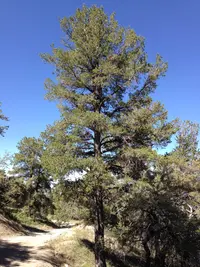
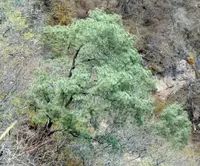
Big-cone pinyon (Pinus maximartinezii) is a rare, slow-growing pine tree known for its very large cones and thick, blue-green needles. It forms a dense, rounded to pyramidal crown and eventually becomes a medium-sized tree in cultivation.

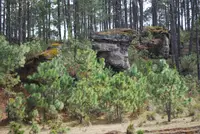
This species is native to a small mountainous region in central Mexico, where it grows in dry, rocky habitats. It is generally drought tolerant once established but sensitive to poorly drained or waterlogged soils.

Gardeners who want to care for Big-cone Pinyon should note its preference for full sun, low to moderate moisture, and well-drained, sandy or gravelly soil. Its slow growth and specific climate needs can make it challenging outside suitable regions.

Main Plant Requirements

Care Difficulty

Hard Care

Light Preference

Full Sun

Water Requirements

Low Water

Temperature Preference

Warm Climate

Hardiness Zone

9–10

Soil Texture

Sandy, Loamy, Rocky

Soil pH

Slightly acidic (6.5–7.0), Neutral (7.0)

Soil Drainage

Well-drained

Fertilization

Minimal (feed rarely)

Get Personalized Care Plan

Scan your plant to receive care tips personalized for your specific plant

Available on iOS and Android

How to Care for the Big-cone Pinyon

This high-elevation pine thrives in strong light and benefits from consistent full sun exposure.

  • Provide 6–10 hours of direct sun daily; open, unshaded sites suit Pinus maximartinezii best.
  • Tolerates light afternoon shade in very hot inland climates, but dense shade causes sparse growth and weak branching.
  • Young trees may need temporary shade cloth in the first 1–2 summers to reduce needle scorch under intense afternoon sun, especially during heatwaves.

This species prefers dry, well-drained conditions and is sensitive to prolonged soil moisture.

  • Allow the top 5–8 cm of soil to dry before deep watering, then soak the root zone thoroughly and let excess drain away.
  • Reduce watering in cool seasons, using rainfall as the main source; add water only if needles start to dull, droop, or soil stays dry for extended periods.
  • Avoid waterlogged or compacted soils; yellowing needles, slow growth, or persistent surface wetness indicate overwatering and poor drainage.

This pine is adapted to warm, dry climates with mild winters and tolerates a moderate temperature range.

  • Optimal growth occurs around 65–80°F (18–27°C), with steady warmth and low to moderate humidity.
  • Established trees can usually tolerate down to about 15–20°F (-9 to -6°C) for short periods, but young plants benefit from protection during hard frosts.
  • Handles dry heat up to about 95°F (35°C) if soil is not soggy; prolonged extremes above this or sudden cold snaps may stress new growth.

This highland pine tolerates relatively dry air but benefits from slightly moderate humidity in early growth stages.

  • Target 30–50% humidity, as very humid conditions favor fungal problems around needles and buds.
  • Tolerates typical indoor dry air, but prolonged hot drafts can brown needle tips on young Big-cone Pinyon.
  • Humidity stress appears as tip dieback and dull, grey-green needles, so increase airflow rather than misting when air feels heavy.

Pinus maximartinezii prefers mineral, fast-draining soil that mimics dry, rocky mountain slopes.

  • Use a sandy or gravelly loam with 30–50% coarse mineral material such as pumice, grit, or perlite to prevent water retention around roots.
  • Keep pH slightly acidic to neutral, around 6.0–7.2, since very alkaline media limit nutrient uptake and slow growth.
  • Add only a modest amount of well-decomposed compost or fine bark; overly rich, peat-heavy mixes encourage soft, weak growth.
  • Avoid compacted, clayey, or waterlogged substrates; check that water runs through freely within seconds and does not pool at the surface.

This species can be grown in containers for many years when managed as a slow, long-term specimen.

  • Choose a deep, heavy container that resists tipping, since the tree develops a tall, rigid trunk with a concentrated canopy.
  • Ensure a thick lower layer of coarse stone or chunky bark above drainage holes to keep the root collar from sitting in residual water.
  • Position the pot where wind can move freely around the canopy, which keeps needles dry and reduces fungal risk in dense foliage.

This slow-growing conifer typically needs minimal feeding when planted in the ground in suitable soil.

  • For container or poor-soil plants, use a balanced slow-release fertilizer (for example 10-10-10) in spring at 1/2 label strength.
  • Apply once per year during active growth; avoid midsummer and late-season applications to prevent tender growth.
  • Do not fertilize in winter dormancy; excess nutrients can stress Big-cone Pinyon roots.
  • Organic compost can be lightly mixed into the topsoil, keeping it away from direct trunk contact.

Pruning needs for Pinus maximartinezii are light and mostly focused on plant health rather than shaping.

  • Best timing is late winter to very early spring, before strong new growth starts.
  • Use clean, sharp bypass pruners or a small pruning saw for larger branches.
  • Remove only dead, diseased, crossing, or storm-damaged branches, cutting back to the branch collar.
  • Limit shaping cuts; heavy removal reduces natural form and can slow overall growth.

This pine is usually grown in the ground, so transplanting young trees correctly is more important than frequent repotting.

  • Transplant in late winter or early spring while the tree is still dormant to minimize stress.
  • Look for slow growth, roots circling the pot, or quick drying soil as signs a container plant needs a larger pot.
  • Move only 1 pot size up, keeping the root ball intact and disturbing roots as little as possible.
  • Water thoroughly after planting, then keep soil evenly moist but not waterlogged until new growth shows establishment.

Propagation of Pinus maximartinezii is almost always done from seed and is considered slow and specialized.

  • Collect ripe cones, extract seeds, and store cool and dry until sowing.
  • Use cold stratification at about 35–40°F for 6–8 weeks to improve germination.
  • Sow seeds in a free-draining, slightly acidic mix, just barely covered, and keep evenly moist.
  • Provide bright light, good air circulation, and avoid disturbing seedlings during the first growing season.

Established plants are relatively cold hardy in mild to moderate winter climates and usually need little special attention.

  • Young or newly transplanted trees benefit from 5–8 cm of mulch over the root zone, kept away from the trunk.
  • Container-grown plants should be moved to a sheltered, unheated but frost-free area in very cold regions.
  • Avoid late-season nitrogen feeding so new growth hardens before freezing temperatures arrive.

Care Tips

Deep root training

During the first 3–4 years, water less often but very thoroughly to encourage deep root development that improves drought tolerance and wind stability.

Low-branch management

Retain lower branches in young trees to shade the trunk and protect against sunscald, then remove only damaged or crossing branches in late winter to maintain a strong central leader.

Cone load control

On young or stressed trees, thin out part of an unusually heavy cone crop in late spring to prevent branch breakage and redirect energy into root and canopy development.

Wind exposure planning

Site the tree where it receives prevailing winds from one main direction or provide a porous windbreak, which helps develop a sturdy trunk and balanced crown rather than a weak, lopsided structure.

Mulch ring management

Maintain a 5–10 cm deep mulch ring that extends at least to the drip line, keeping mulch 5–8 cm away from the trunk to suppress weeds, stabilize soil moisture, and protect surface feeder roots when growing Big-cone Pinyon.

Common Pests and Diseases

Pine needle scale

This pest appears as tiny white, oval specks on needles that cause yellowing, needle drop, and general decline if populations are high.

Solution

Prune out and destroy heavily infested branches, then treat remaining foliage with a labeled horticultural oil during the crawler stage to improve coverage while minimizing non‑target impact; encourage natural predators by avoiding broad‑spectrum insecticides.

Pine bark beetles

These insects tunnel under the bark, causing pitch tubes, boring dust, and rapid browning and death of branches or entire trees, especially in drought‑stressed specimens.

Solution

Maintain strong tree vigor through deep, infrequent watering and avoidance of mechanical trunk damage, promptly remove and destroy severely infested trees or limbs, and in high‑risk areas consider preventive trunk sprays with a labeled pyrethroid applied by a licensed professional before peak beetle flight periods.

Dothistroma needle blight

This disease causes brown to reddish bands on needles that later turn tan and drop, thinning the canopy and slowing growth in young or stressed trees.

Solution

Rake and discard fallen needles, improve spacing and airflow around trees, avoid overhead irrigation, and apply a copper‑based fungicide in early spring and again in late spring if the disease has been confirmed in the area.

Diplodia tip blight

This disease produces browning and death of new shoots and needles, often starting on lower branches, and may also cause resinous, discolored cones on older trees.

Solution

Prune out infected tips and cones during dry weather, disinfect tools between cuts, reduce stress through proper watering and mulching, and in recurrent cases apply a labeled fungicide at bud break and repeat according to product directions as part of broader Pinus maximartinezii care instructions.

Interesting Facts

Critically endangered pine

This species is known from a single natural population in Zacatecas, Mexico, and is classified as Critically Endangered on the IUCN Red List due to its extremely restricted range and ongoing habitat pressures.

Exceptionally large cones

It produces some of the largest cones in the genus Pinus, with massive woody cones that are much heavier and bulkier than those of most other pinyon pines.

Large edible seeds

The tree bears unusually large, thick-shelled seeds that are edible and locally valued as a nut crop, which has encouraged limited cultivation outside its tiny native range.

Botan icon

Did you know?

Genetic and morphological evidence indicates that this species is an isolated relict line of pinyon pine evolution, representing a unique lineage that has no very close living relatives among other North American pinyon pines.

FAQs about Big-cone Pinyon

This species is very slow-growing. Young trees typically add only 5–15 cm of height per year, sometimes less in poor conditions. Growth rate increases slightly with age but remains modest compared with many other pines.

Grow Healthy Plants with Botan Care

Keep your plants happy and healthy with plant identification, disease detection, and easy care guidance.

Botan plant care app — identify plants on mobile

Explore More Plants