Montezuma Pine Care (Pinus montezumae)

Also known as: Rough-branched Mexican Pine
Montezuma Pine

About Montezuma Pine

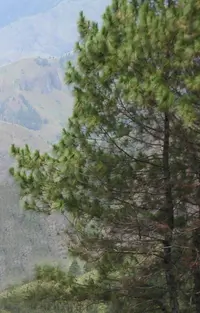
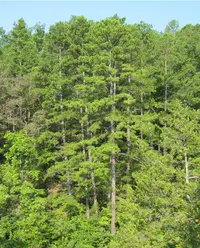
Montezuma pine (Pinus montezumae) is a tall, fast-growing evergreen conifer known for its long, graceful needles and strong central trunk. In suitable conditions it can form a large, upright tree with an open, airy crown. Native to the highlands of Mexico and Central America, it is adapted to mild climates with distinct dry and wet seasons. This species prefers full sun, well-drained soil, and moderate moisture, which makes it better suited to spacious outdoor landscapes than small gardens. Its vigorous growth and eventual size are the main factors that influence how to care for Montezuma Pine in home landscapes.

Main Plant Requirements

Care Difficulty

Moderate Care

Light Preference

Full Sun

Water Requirements

Low Water

Temperature Preference

Warm Climate

Hardiness Zone

7–10

Soil Texture

Sandy, Loamy, Rocky

Soil pH

Acidic (5.5–6.5), Slightly acidic (6.5–7.0)

Soil Drainage

Well-drained

Fertilization

Minimal (feed rarely)

Get Personalized Care Plan

Scan your plant to receive care tips personalized for your specific plant

Available on iOS and Android

How to Care for the Montezuma Pine

This highland pine thrives in full sun but copes with some seasonal shade once established.

  • Provide 6–8 hours of direct sun daily, ideally open exposure from morning through mid-afternoon for dense, healthy growth.
  • Allow light afternoon shade in very hot, dry regions to reduce needle scorch, especially on young Montezuma Pine trees during their first 3–5 years.
  • Avoid deep shade where it receives less than 4 hours of sun; expect thin crowns, long weak shoots, and increased disease susceptibility in low light.

This species prefers deep, infrequent watering in well-drained soil once its root system is established.

  • At planting and during the first 1–2 years, water when the top 5–8 cm of soil feels dry, soaking the root zone to 20–30 cm depth each time.
  • Reduce frequency once established, relying mostly on rainfall; in drought, water only when needles begin to dull, curl slightly, or lower branches lose turgor.
  • Ensure fast-draining, gritty or sandy soil; signs of overwatering include yellowing needles from the inside out and sour-smelling, persistently wet soil around Pinus montezumae.

This pine is adapted to mild to warm climates with cool winters and tolerates moderate frost once mature.

  • Aim for active growth temperatures around 60–80°F (16–27°C), with best development in climates that offer warm days and cooler nights.
  • Mature trees usually tolerate brief drops to about 15–20°F (-9 to -6°C); young plants need protection from hard freezes and drying winter winds.
  • In hot regions, it manages summer highs of 90–100°F (32–38°C) if soil moisture is not extreme and roots stay insulated by mulch, especially during prolonged heatwaves.

This highland pine handles a wide humidity range but prefers moderately dry air.

  • Aim for 30–50% humidity, similar to typical indoor or outdoor conditions in many US regions.
  • It tolerates dry air well, but prolonged humidity above 70% raises risk of fungal needles and stem issues.
  • Watch for persistent needle yellowing with moldy patches as humidity stress, and improve air flow rather than misting.

This pine needs sharply drained, mineral-based soil that mimics its native mountain slopes.

  • Use a sandy or sandy-loam mix with coarse structure, combining 50–70% mineral material (coarse sand or grit) with 30–50% organic matter such as pine bark fines or compost.
  • Ensure very fast drainage; water should clear the surface within seconds and the mix should never stay waterlogged.
  • Keep pH slightly acidic to neutral, around 6.0–7.2, avoiding strongly alkaline or saline conditions that reduce nutrient uptake.
  • For Pinus montezumae in containers or raised areas, increase aeration by adding pumice or perlite and avoid fine peat-heavy mixes that compact.

This species can be grown in containers for its early years, though it will eventually outgrow most pots.

  • Choose a deep, heavy container that resists tipping, since the tree becomes tall and wind-sensitive before trunk thickening.
  • Select a pot material such as thick-walled terracotta or concrete to moderate moisture swings and anchor the developing root system.
  • Position the container where excess water can drain freely away from the base so runoff does not re-enter the drainage holes.

This mountain pine usually grows well in the ground with minimal feeding but responds to light, targeted nutrition in poor soils or containers.

  • Use a balanced slow-release fertilizer (for example 10-10-10) or well-rotted compost for established trees in lean soil.
  • Apply once in early spring; a second light dose in midsummer is enough for caring for Montezuma Pine in nutrient-poor sites.
  • Reduce or skip feeding in fall and winter to avoid soft, frost-sensitive growth.
  • For container plants, use a diluted (50% strength) balanced liquid feed every 4–6 weeks in the growing season.

Pinus montezumae needs only light structural pruning to maintain health and safe form.

  • Carry out any pruning in late winter or very early spring before active growth begins.
  • Remove dead, diseased, crossing, or storm-damaged branches with sharp bypass loppers or a clean pruning saw.
  • Limit cuts to small branches and avoid heading back large limbs to preserve the tree’s natural shape and strong leader.
  • If size control is needed, lightly shorten new candle growth in spring rather than cutting into old wood.

This pine is usually planted in the landscape, with transplanting planned carefully while trees are still young.

  • Transplant in late winter to early spring when the tree is dormant and soil is workable.
  • Look for signs such as roots circling the container, roots emerging from drainage holes, or slowed growth on nursery stock.
  • Move up only 1 pot size or into a prepared ground hole 2–3 times the width of the root ball, at the same planting depth.
  • Water deeply before and after transplanting, keep the root ball evenly moist, and use mulch to reduce root stress and temperature swings.

This species is almost always propagated from seed and is not typically multiplied by home growers.

  • Collect ripe cones in late summer to fall, then extract seeds once the cones dry and open.
  • Sow seeds in late winter to early spring in a well-drained, sandy medium kept slightly moist.
  • Provide bright light, good air circulation, and cool to mild temperatures for steady germination and seedling growth.
  • Transplant seedlings carefully once roots hold the mix, avoiding root damage and keeping the root collar at soil level.

This pine is generally cold hardy in suitable climates and requires minimal winter intervention once established.

  • In marginal climates, apply 5–8 cm of mulch over the root zone, keeping it away from the trunk to limit freeze–thaw stress.
  • Young or container-grown trees benefit from a windbreak or burlap screen in exposed, freezing sites.
  • Move containers to a sheltered, unheated area where roots stay cool but not deeply frozen, and water sparingly to prevent desiccation.

Care Tips

Windfirm Training

In the first 3–5 years, stake young trees on windy sites with 2–3 low, flexible ties and gradually loosen them each season so the trunk strengthens without rubbing damage or becoming dependent on support.

Snow Load Management

In heavy snow regions, gently knock wet snow off the long needles and branches with a broom after storms to prevent limb breakage, working from the bottom upward to avoid dumping snow onto lower branches.

Leader Protection

Protect the central leader from damage by deer or mechanical injury using a breathable trunk guard or loose hardware cloth around the top 60–90 cm, removing or adjusting it yearly to prevent girdling.

Deep Root Encouragement

On well-drained sites, apply water less often but for longer periods at the dripline during establishment to encourage deep rooting, which improves drought tolerance and storm stability when growing Montezuma Pine.

Mulch Ring Management

Maintain a 60–120 cm wide mulch ring free of turf around the base, keeping mulch 5–8 cm deep and pulled back 5–8 cm from the trunk to reduce mower damage, conserve moisture, and limit competition from grass.

Common Pests and Diseases

Dothistroma needle blight

This disease causes reddish-brown bands and spots on needles that later turn tan, leading to premature needle drop and thinning crowns.

Solution

Prune out and destroy heavily infected lower branches to reduce spore sources, improve spacing and airflow around trees, and avoid overhead irrigation; in high-value specimens, copper-based fungicides applied in early spring and again as new needles emerge can help protect healthy foliage as part of broader Pinus montezumae care instructions.

Fusarium pitch canker

This disease produces sunken cankers on branches and stems, resin-soaked (pitchy) wounds, and dieback of shoots and branch tips.

Solution

Remove and destroy infected branch material well back into healthy wood, disinfect pruning tools between cuts, and avoid wounding trees; in affected areas, reduce stress with proper watering and avoid heavy nitrogen fertilization, as stressed trees are more susceptible.

Pine tip moth

These insects bore into new shoots, causing wilting, stunted growth, and distorted or dead terminal buds in young trees.

Solution

Inspect new growth in spring and remove infested tips before larvae complete development, destroy pruned material, and encourage natural predators by maintaining plant diversity nearby; in areas with severe, repeated damage, a targeted application of a labeled insecticide timed to adult flight (often monitored with pheromone traps) may be necessary for young plantings.

Pine bark beetles

These insects tunnel under the bark, leading to fading crown color, resin pitch tubes on the trunk, and eventual tree decline or death when populations are high.

Solution

Maintain tree vigor with appropriate watering and avoid mechanical injury, as healthy trees resist attacks better; remove and dispose of heavily infested trees or logs promptly to prevent beetle buildup, and consider preventive trunk sprays with labeled products on high-value trees when regional infestations are documented.

Pine needle scale

This pest appears as small white, elongated scales on needles and can cause yellowing, reduced vigor, and premature needle drop when populations are heavy.

Solution

Prune and discard heavily infested branches, then hose down foliage to remove some scales; for larger populations, apply horticultural oil during the crawler stage (young mobile scales) according to label directions, making sure to coat needles thoroughly while avoiding application during extreme heat.

Interesting Facts

High-elevation specialist

This species is naturally found in montane forests of Mexico and Central America, often between roughly 1,800–3,000 m elevation, where it tolerates cool nights and intense high-altitude sun better than many other pines.

Exceptionally long needles

Its needles are among the longest of any pine, commonly reaching 20–30 cm and sometimes more, and are grouped in bundles of 5 that give mature trees a distinctly pendulous, feathery crown.

Key component of mixed forests

In its native range it often grows together with species such as Pinus hartwegii and various oaks, forming mixed conifer–oak forests that provide habitat for a wide range of birds, insects, and understory plants.

Botan icon

Did you know?

In some parts of its native range, wood from this species has been widely used for construction timber and fence posts because the trunks can grow straight and relatively fast under suitable conditions, providing a locally important source of softwood.

FAQs about Montezuma Pine

Growth is typically moderate to fast. In good conditions, this tree may add 30–90 cm in height per year when young, slowing as it matures. Rate varies with climate, soil quality, and moisture availability.

Grow Healthy Plants with Botan Care

Keep your plants happy and healthy with plant identification, disease detection, and easy care guidance.


Botan plant care app — identify plants on mobile

Explore More Plants