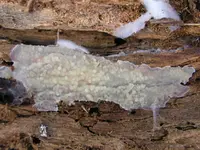
Late Oyster Care (Sarcomyxa serotina)

Also known as: Olive Oysterling, Late Fall Oyster Mushroom
Late Oyster

About Late Oyster

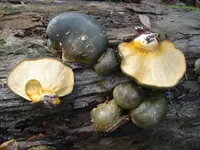
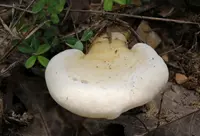
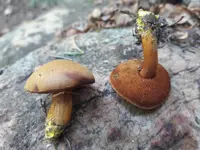
Late oyster, Sarcomyxa serotina, is a cool-season wood-decaying mushroom that forms overlapping, fan-shaped clusters on hardwood logs and stumps. Its caps are usually olive to yellow-brown with pale gills underneath.

This fungus is widespread in temperate regions of Europe, Asia, and North America, appearing mainly in late fall and early winter. It prefers shaded, moist woodland habitats where dead wood is available.

Some foragers consider it conditionally edible, but correct identification is essential. For those who want to care for Late Oyster in a home cultivation setup, stable moisture, good air exchange, and clean hardwood substrate are the main considerations.


Main Plant Requirements

Care Difficulty

Moderate Care

Light Preference

Partial Shade

Water Requirements

Keep Soil Moist

Temperature Preference

Cool Climate

Hardiness Zone

Unknown

Soil Texture

Organic-rich, Loamy

Soil pH

Acidic (5.5–6.5)

Soil Drainage

Moist but well-drained

Fertilization

Minimal (feed rarely)

Get Personalized Care Plan

Scan your plant to receive care tips personalized for your specific plant

Available on iOS and Android

How to Care for the Late Oyster

This wood-inhabiting fungus prefers cool, shaded forest conditions with limited direct sun exposure.

  • Provide dappled or filtered light under trees or on the north or east side of a structure, with no more than 1–2 hours of gentle morning sun per day.
  • Avoid direct midday and afternoon sun, which can dry the substrate and reduce fruiting of Late Oyster, especially in exposed, south-facing sites.
  • In summer, increase shade using leaf litter, shade cloth, or placement under dense canopy; in winter, low-angle sun through bare branches is usually acceptable in temperate climates.

Moisture management focuses on keeping the woody substrate consistently damp but never waterlogged.

  • Check the growing log or stump often and aim for evenly moist wood; if the outer surface feels dry and light, irrigate or mist until it is thoroughly damp.
  • Ensure excess water can drain away so Sarcomyxa serotina does not sit in standing water, which encourages bacterial rot and water mold growth in the substrate.
  • During warm, windy, or low-humidity periods, increase soaking or heavy misting frequency, while in cool, wet seasons reduce added water and watch for sour or foul odors as a sign of excess moisture.

This species favors cool to mild conditions and fruits best in autumn-like temperatures.

  • Target 50–64°F (10–18°C) for strong fruiting, as this mimics natural late-season conditions in temperate woodlands.
  • Colonization of wood can proceed from about 45–70°F (7–21°C), but growth slows markedly below 40°F (4°C) and above 75°F (24°C).
  • Short light frosts around 30–32°F (-1–0°C) are usually tolerated, but prolonged freezing or heat above 80°F (27°C) can damage mycelium and dry the substrate, so provide shade and moisture buffering in hot spells.

This wood-decaying fungus prefers moderate, stable humidity similar to a cool, damp forest floor.

  • Aim for 60–80% humidity around fruiting blocks or logs to support reliable Late Oyster development.
  • Tolerates brief dips to 40–50% but prolonged dry air causes cracked, tough caps and stalled pin formation.
  • Increase humidity with a loose plastic tent, frequent fine misting, or a humidifier while maintaining fresh air exchange.

Sarcomyxa serotina grows on wood, so for cultivation it needs a wood-based, moist, well-aerated substrate rather than garden soil.

  • Use hardwood sawdust or fine hardwood chips mixed with 10–20% wheat bran or similar supplement for structure and nutrition.
  • Ensure the substrate drains freely yet holds moisture; it should feel like a squeezed-out sponge, never soggy or dripping.
  • Maintain a slightly acidic environment around pH 5.5–6.5, which supports mycelial colonization and reduces competitor molds.
  • Avoid dense garden soil, heavy clay, and high-sand mixes that either suffocate the mycelium or dry out too rapidly.

This species is suitable for container growing when inoculated into buckets or bags filled with pasteurized hardwood substrate.

  • Drill small side holes in rigid containers so clusters can emerge without deforming and to improve gas exchange near the substrate surface.
  • Choose tall, stable containers so the colonized block does not tip as mushrooms flush unevenly on one side.
  • Use opaque or dark containers to limit light on the substrate body while still allowing light on emerging fruiting zones at cut or drilled openings.

This wood-decaying fungus needs very little feeding when cultivated, since it naturally grows on nutrient-rich logs.

  • If supplementing, use a light application of well-rotted compost or a low-dose balanced NPK solution on colonized substrate in spring–summer.
  • Apply liquid fertilizer at 1/4 strength no more than every 4–6 weeks while mycelium is actively growing.
  • Avoid feeding during winter or when growth slows to prevent salt buildup and contamination of the substrate.

Pruning is generally unnecessary for Sarcomyxa serotina, since fruiting bodies are seasonal and short-lived.

  • Harvest clusters by cutting at the base with a clean, sharp knife or scissors rather than tearing from the wood.
  • Remove spent, waterlogged, or moldy fruiting bodies promptly to reduce disease spores around the culture area.
  • Trim away obviously infected or insect-damaged mushrooms and discard them away from other logs or blocks.

Cultivated Late Oyster is usually managed by moving colonized substrate rather than classic repotting.

  • Transplant when mycelium has fully colonized a log or block and fruiting declines, indicating nutrients are depleted.
  • Best timing is late spring–early fall, shifting colonized wood to a fresh, shaded, humid fruiting site outdoors.
  • If grown in containers, move the entire colonized block gently into a slightly larger, well-drained tub without breaking it apart.
  • Keep the substrate evenly moist after transplanting to reduce shock, avoiding direct sun and strong drying winds for several days.

New Sarcomyxa serotina cultures are usually started from spawn or tissue rather than by garden-style cuttings.

  • Use grain or sawdust spawn inoculated into fresh hardwood logs or sterilized sawdust blocks in spring or early summer.
  • Drill holes in logs, insert spawn plugs, then seal with food-grade wax to maintain moisture and exclude contaminants.
  • For tissue culture, transfer a small piece from a healthy fruiting body into sterile agar, then expand to grain spawn under clean conditions.

Established outdoor cultures are quite cold hardy and usually need only minimal winter care.

  • Mycelium in hardwood logs tolerates freezing, but sudden freeze–thaw cycles can dry exposed ends.
  • Apply a 5–8 cm mulch of leaves or straw around log bases or containers to moderate soil temperature and moisture.
  • If grown in tubs, move them to a sheltered, unheated but frost-exposed spot to reduce wind desiccation while maintaining natural chilling.

Care Tips

Low-Oxygen Induction

To trigger reliable fruiting, drop fresh, fully colonized blocks or logs into a clean plastic bag or tent for 12–24 hours with very limited air exchange, then reopen gradually to normal fresh-air levels to encourage dense cluster formation rather than thin, stemmy growth.

Cool-Shift Scheduling

For more predictable flush timing, hold fully colonized substrate at 55–60°F for 5–7 days, then move it to the target fruiting temperature, which often synchronizes pinset and makes harvest planning easier for those growing Late Oyster.

Moisture-Testing Substrate

Before incubation and between flushes, squeeze a handful of substrate firmly: only 1–2 drops of water should escape, so if it drips steadily, mix in more dry material, and if it feels dusty, mist and remix until this field-capacity level is reached.

Cluster Support Netting

Where large clusters overhang the bag or log, run a loose loop of soft twine or plastic mesh under the developing fruit bodies and fix it to a stake or shelf edge so caps are supported and do not tear away from the substrate as they gain weight.

Spent-Block Reuse

After commercial yields drop, bury spent blocks 5–8 cm deep in a shaded outdoor bed of wood chips or leaf litter and keep the area evenly moist, which can produce a few extra, low-effort flushes and also helps inoculate the bed for future wood-loving species.

Common Pests and Diseases

Fungus gnat larvae

This pest targets moist mushroom substrates, where larvae feed on developing mycelium and fruiting bodies, reducing yield and causing distorted caps.

Solution

Use fine mesh or filters on all fresh-air inlets, avoid overwatering or standing water in the grow area, and allow the surface of the substrate to dry slightly between misting. Sticky traps placed near vents and around the grow space help monitor adults; heavily infested blocks or trays are best discarded and the area cleaned before restarting, which is an important part of Sarcomyxa serotina care.

Sciarid fly infestation

These insects lay eggs in the substrate, and hatching larvae tunnel through mycelium and young mushrooms, leading to pitted, discolored, or prematurely decaying fruiting bodies.

Solution

Improve sanitation by promptly removing spent or heavily infested substrates and cleaning all surfaces and tools. Install insect-proof mesh on vents, use yellow sticky cards to monitor adults, and reduce excess humidity or condensation that encourages fly breeding while keeping conditions within the recommended range for fruiting.

Bacterial blotch

This disease causes greasy, yellow-brown spots or patches on caps that may become slimy, especially under stagnant, overly humid conditions.

Solution

Reduce surface moisture by avoiding heavy overhead spraying on caps and instead mist the air or walls to maintain humidity. Increase airflow and fresh air exchange, remove and discard affected clusters, and disinfect shelving, tools, and trays between cycles to reduce bacterial load.

Green mold contamination

This disease appears as white mycelium that quickly turns bright green on the substrate, competing with and suppressing the Sarcomyxa mycelium and sharply lowering yields.

Solution

Promptly remove and bag contaminated blocks or trays to prevent spore spread, then clean and disinfect the grow area, including fans and filters. For future cycles, use clean spawn, pasteurized or properly prepared substrate, and maintain strict hygiene when handling and cutting into blocks.

Cobweb mold

This disease shows as fast-spreading, very fine gray or off-white webbing on the substrate and around base of clusters, sometimes covering pins and leading to soft rot.

Solution

Immediately isolate or discard affected blocks to reduce spread, and increase fresh air exchange to lower CO₂ and decrease stagnant zones. Thorough cleaning between crops and avoiding direct contact between contaminated and healthy blocks helps prevent recurrence in systems used to grow Sarcomyxa serotina.

Interesting Facts

Late-season fruiting habit

This species typically fruits in late autumn and even into early winter, often appearing after many other wood-decay fungi have finished for the year, which is why it has been called the late oyster mushroom.

Preference for hardwoods

It most often colonizes dead or dying hardwoods such as beech and oak, forming overlapping shelves on trunks and logs as it breaks down lignin and cellulose in the wood.

Distinct olive cap color

Unlike many pale oyster-like mushrooms, its caps usually show olive to yellowish-green tones, especially in moist weather, which helps distinguish it from more common grey or white oyster species and is useful when learning how to take care of Late Oyster in cultivation settings.

Botan icon

Did you know?

Molecular studies have shown that this species is not a true oyster mushroom in the strict sense and sits in its own genus, Sarcomyxa, despite its oyster-like shape and historical placement within the Pleurotus group.

FAQs about Late Oyster

This species is considered edible when young and correctly identified, though texture and flavor are often rated as mediocre. Always avoid old, tough, or decaying fruiting bodies and never eat wild mushrooms unless identification is absolutely certain.

Grow Healthy Plants with Botan Care

Keep your plants happy and healthy with plant identification, disease detection, and easy care guidance.

Botan plant care app — identify plants on mobile

Explore More Plants