Crustoderma corneum Care

Crustoderma corneum

About Crustoderma corneum

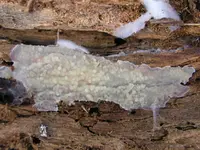
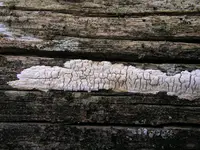
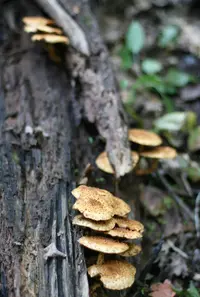
Crustoderma corneum is not a leafy plant but a crust fungus that forms thin, flat patches on dead or decaying wood. It typically appears as smooth, skin-like layers closely attached to bark or exposed wood surfaces.

This species occurs mainly in temperate forests, especially on conifer logs and stumps, where it plays a role in breaking down wood. It is not grown as an ornamental, and attempts to care for Crustoderma corneum at home are uncommon because it needs a constant supply of suitable dead wood.

In nature it prefers cool, moist, shaded habitats with stable humidity. Its specialized growth requirements make it difficult to maintain outside natural or carefully managed woodland conditions.


Main Plant Requirements

Care Difficulty

Moderate Care

Light Preference

Partial Shade

Water Requirements

Moderate Water

Temperature Preference

Warm Climate

Hardiness Zone

Unknown

Soil Texture

Loamy

Soil pH

Slightly acidic (6.5–7.0)

Soil Drainage

Well-drained

Fertilization

Minimal (feed rarely)

Get Personalized Care Plan

Scan your plant to receive care tips personalized for your specific plant

Available on iOS and Android

How to Care for the Crustoderma corneum

This wood-decay fungus naturally occupies shaded, humid forest habitats with low direct sun exposure.

  • Provide deep to partial shade, mimicking a closed-canopy forest; 0–2 hours of weak, dappled morning sun is acceptable but not required.
  • Avoid direct midday or afternoon sun, which quickly dries substrate and can halt fruiting; maintain constant shade on logs or fallen wood using leaf litter or canopy cover.
  • In summer, increase shade and humidity if surrounding trees lose cover; in winter, indirect light is sufficient as long as the substrate stays cool and moist.

Moisture management focuses on keeping the woody substrate consistently damp, not on a strict watering schedule.

  • Aim for wood or bark that feels cool and damp beneath the surface but not dripping; top 2–5 mm may dry slightly without harm.
  • If log or stump feels light, warm, and dry, irrigate with a gentle soak, then let excess water drain or run off to prevent pooling around the base.
  • Reduce supplemental watering in cool, wet seasons and increase after hot, dry, or windy weather; persistent standing water, sour smell, or slimy patches indicate overwatering and poor aeration.

This species develops best on cool, moist wood in temperate forests within a moderate temperature range.

  • Optimal activity is around 50–68°F (10–20°C), with steady moisture and shade; metabolic processes slow outside this band but may continue mildly.
  • Short exposures down to about 32°F (0°C) are typically tolerated on protected wood, though prolonged hard freezes can pause growth until conditions warm.
  • Sustained heat above 77–82°F (25–28°C), especially with dry air, can dry the substrate and suppress fruiting; provide shade and moisture retention during hot periods.

This crust-forming fungus is not a houseplant and does not require managed humidity beyond normal outdoor conditions.

As a wood-decaying, crust-like fungus, this species does not grow in soil and instead colonizes dead wood surfaces.

  • Avoid attempting to cultivate it in potting mixes, garden soil, or compost-based substrates, since these lack the continuous woody matrix it requires.
  • If studied or observed, provide well-seasoned, dead conifer or hardwood pieces, as the fungus specializes in lignin- and cellulose-rich substrates.
  • Keep the wood substrate just slightly to moderately moist, avoiding both waterlogging and complete drying, to prevent competing molds and decay organisms from dominating.

This species is not suitable for container growing, as it is a wood-decay fungus that naturally spreads over dead logs and branches rather than forming a root system.

This crust-like fungus on dead wood does not benefit from routine feeding in gardens or indoor setups.

As a resupinate wood-decay fungus, Crustoderma corneum does not require structured pruning.

This species naturally forms thin crusts on dead wood and is not managed through standard repotting or transplanting.

  • If cultivated for study, transfer only when the substrate is fully colonized or drying out.
  • Carry out any move in mild temperatures to limit stress on the mycelium.
  • Shift small sections of colonized wood or agar to fresh sterile substrate rather than disturbing the whole colony.
  • Handle gently, keeping the mycelium moist and shaded during any brief exposure.

Crustoderma corneum is usually left to spread naturally and is not commonly propagated in home or ornamental settings.

This wood-inhabiting fungus is naturally cold hardy in its native range and needs no special winter care in gardens or forests.

Care Tips

Sterile collection surfaces

When studying or sampling this crust fungus, place clean, removable surfaces such as labeled glass slides or microscope slides against the bark so the fruiting layer forms on them, which keeps specimens uncontaminated and easier to examine.

Bark moisture management

If maintaining this species on logs in a controlled setting, lightly mist only the surrounding bark while shielding the fruiting patches with a loose plastic tent or side shields so the surface stays slightly moist without being washed away.

Shaded air circulation

Provide gentle but continuous air movement across colonized wood in shaded culture racks to reduce bacterial growth and surface mold while preserving the cool, low-light conditions it prefers.

Minimal handling protocol

Limit touching the fruiting crust and instead move the entire log or substrate, as mechanical damage disrupts the thin fertile layer and slows recovery of the colony when caring for Crustoderma corneum.

Sequential log rotation

If maintaining multiple inoculated logs, rotate which pieces are closer to the airflow source every 2–3 weeks so no single log dries out excessively and the mycelium can colonize more evenly over time.

Common Pests and Diseases

Wood-decay competition

This disease relates to competition from faster-growing wood-decay fungi on the same substrate. Symptoms include Crustoderma corneum fruiting bodies becoming sparse, patchy, or overgrown by other crust fungi or bracket fungi.

Solution

Reduce direct competition by removing heavily colonized, rival fruiting bodies from the same log or board and avoid stacking multiple infested wood pieces together. Keep the substrate in a stable, shaded, moderately humid environment to favor steady development and monitor regularly so competing fungi can be scraped off early with a clean tool.

Drying and desiccation

This problem occurs when substrates carrying the crust dry out too quickly, causing fruiting layers to crack, shrink, or stop developing. Symptoms include brittle, pale, or fragmented crust patches on the wood surface.

Solution

Maintain stable humidity around 50–70% and avoid exposure to strong sun or forced hot air over the colonized wood. Mist the surrounding air lightly (not soaking the wood) and, if grown under cover, use a humidity tray or enclosed container with ventilation holes to prevent rapid moisture loss, which is central to Crustoderma corneum care instructions.

Mite grazing

This pest involves small wood- and mold-feeding mites that graze on the fruiting surface. Symptoms include tiny pits, irregular erosion, or dusty specks moving across the crust under close inspection.

Solution

Physically remove affected small wood pieces and gently brush or rinse the crust surface with clean water to dislodge mites, then let it dry to normal humidity. Improve cleanliness by removing decaying organic debris nearby, and if the piece is kept in an enclosed setup, increase ventilation and briefly lower humidity to discourage mite buildup.

Wood-boring beetle larvae

These insects tunnel inside the wood that hosts the fungus, disrupting internal mycelium. Symptoms include frass (fine sawdust), small exit holes, and local collapse or detachment of the crust where tunnels run close to the surface.

Solution

Isolate and, if possible, discard heavily infested wood pieces to prevent spread. For valuable display substrates, place the dry wood in a sealed bag and freeze for 48–72 hours to kill larvae, then return it to a controlled, clean environment and monitor for new frass or holes.

Mold overgrowth

This disease occurs when fast-growing molds colonize the same wood surface, forming fluffy, colored patches that cover or smother the crust. Symptoms include white, gray, green, or black fuzzy growth obscuring the smooth, waxy Crustoderma layer.

Solution

Improve air circulation and moderately reduce humidity, then carefully wipe or scrape mold patches with a clean tool, avoiding deep damage to the crust. Remove any highly contaminated organic material nearby and, for indoor displays, provide indirect light and regular inspections so mold can be removed promptly before it overwhelms the colony.

Interesting Facts

Resinous bark specialist

This crust fungus is most often found forming thin, smooth fruiting crusts on the bark and exposed resinous wood of conifers, especially spruce, rather than inside the heartwood.

Distinctive smooth hymenium

Unlike many crust fungi with warted or spiny surfaces, its fertile layer (hymenium) is typically very smooth to slightly uneven, giving mature patches a waxy to cartilaginous feel when moist.

Microscopic identification key

Reliable identification depends largely on microscopic features such as its smooth, non-amyloid spores and characteristic cystidia, since macroscopic appearance can resemble several related crust fungi.

FAQs about Crustoderma corneum

This crust fungus is not suited to standard indoor cultivation and is best observed outdoors on decaying wood. It requires natural humidity, airflow, and a steady supply of dead bark or branches to develop normally.

Grow Healthy Plants with Botan Care

Keep your plants happy and healthy with plant identification, disease detection, and easy care guidance.

Botan plant care app — identify plants on mobile

Explore More Plants