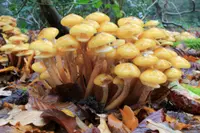
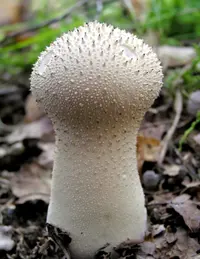
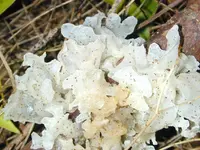
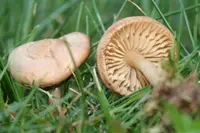
Mushrooms Are Fungi, Not Plants
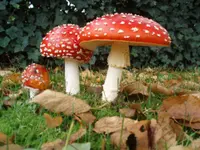
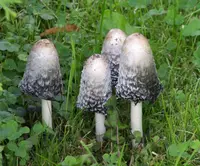
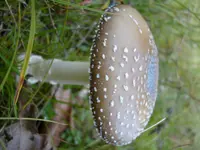
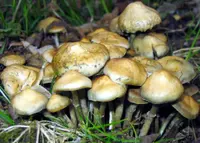
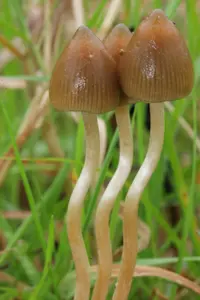
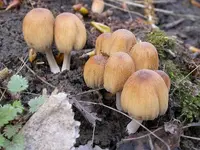
This fact always catches people by surprise, because mushrooms aren't plants at all. They belong to the Fungi kingdom and occupy a completely separate branch of life, without leaves or roots.
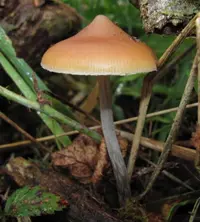
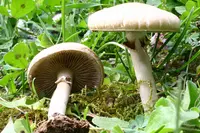
Almost all mushrooms survive on borrowed food, rather than absorbing sunlight like green plants. The part you actually pick is just the fruit of something much larger. Beneath it, the real organism spreads in the form of mycelium, a dense network of fine threads.
This cap then disperses spores to give rise to the next generation, and scientists have described approximately 155,000 species of mushrooms to date.
The Royal Botanic Gardens, Kew, estimates the true total to be around 2.5 million, with mushroom-forming species accounting for only 14,000 to 22,000 of those described.
Types of Mushrooms by Ecological Role
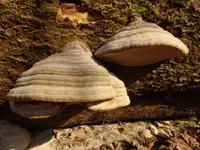
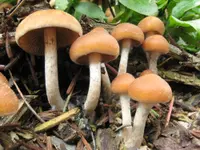
Fungi essentially survive in three different ways. Some quietly decompose dead matter, others collaborate with plant roots for mutual benefit, and some simply feed on what's still alive. Our mushroom names list groups the species by this role. The table below relates each species to its function.
Cultivated vs Wild Mushrooms
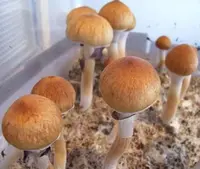
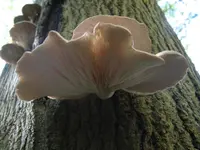
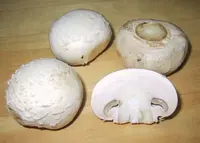
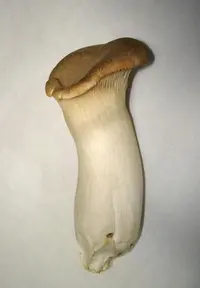
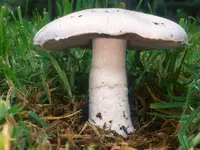
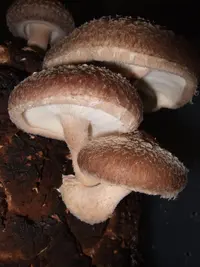
Some mushrooms come to us from carefully managed commercial farms, while many others you'll encounter only while walking in the forest. Just three cultivated species cover the majority of the world's supply — button mushrooms, shiitake, and oyster mushrooms.
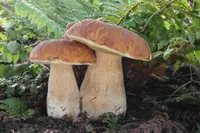
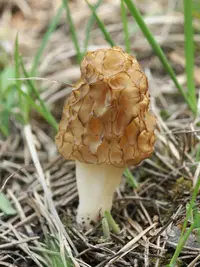
Together they account for approximately 70% of production. Wild mushroom foraging follows a completely different set of rules: chanterelles, porcini mushrooms, and morels cannot be cultivated and only appear in season.
What You Will Find on This Page
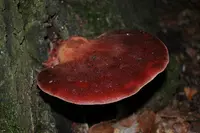
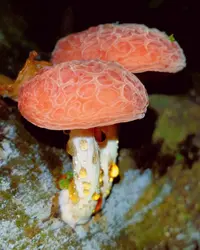
The table above displays everything for you to quickly browse. Mushrooms range from common edibles to valuable medicinal species and rare wild specimens. Just remember that not all mushrooms are safe to eat, so approach wild ones with due caution. If you'd like to learn more about a particular species, scroll up the page for a full mushroom names list and pictures.