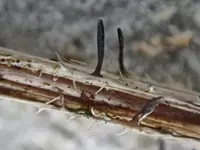
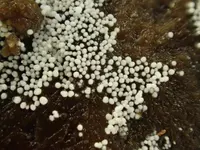
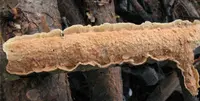
green pepe Care (Mycena chlorophos)

green pepe

About green pepe

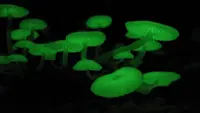
Green pepe, Mycena chlorophos, is a small bioluminescent mushroom known for its soft green glow in darkness. It is a saprophytic fungus that grows on decaying wood.

In nature it occurs in humid, subtropical and tropical forests, especially in parts of East and Southeast Asia and some Pacific islands. The caps are usually small, pale, and fragile, forming scattered groups.

This species is considered challenging to cultivate because it needs very stable moisture, moderate temperatures, and a suitable wood-based substrate. Indoor enthusiasts who care for green pepe often focus on recreating its natural forest floor conditions as closely as possible.

Main Plant Requirements

Care Difficulty

Hard Care

Light Preference

Shade

Water Requirements

Keep Soil Moist

Temperature Preference

Tropical / Frost Sensitive

Hardiness Zone

Unknown

Soil Texture

Loamy, Peaty, Organic-rich

Soil pH

Acidic (5.5–6.5)

Soil Drainage

Moist but well-drained

Fertilization

Minimal (feed rarely)

Get Personalized Care Plan

Scan your plant to receive care tips personalized for your specific plant

Available on iOS and Android

How to Care for the green pepe

Mycena chlorophos needs low, filtered light that mimics a shaded forest floor.

  • Provide 0–1 hour of weak, early morning sun and 23–24 hours of full shade or deep dappled shade, such as under trees or dense shrubs.
  • Avoid direct midday or afternoon sun, which dries the substrate and can inhibit fruiting and bioluminescence in green pepe.
  • In summer, protect from intense light with leaf litter or shade cloth; in cooler seasons, bright shade near ground level is usually sufficient.

Mycena chlorophos requires consistently moist, but not waterlogged, organic substrate.

  • Maintain a damp, springy feel in leaf litter or decaying wood; the surface should never fully dry out, but should not drip when squeezed.
  • Increase misting or light watering when caps look shriveled or edges curl inward, and reduce input if the substrate smells sour or appears slimy.
  • During warmer, windy, or very dry periods, check moisture daily; in cooler, humid weather, monitor every few days and let the upper layer loosen slightly before rewetting.

This species thrives in warm, humid conditions with only a narrow safe temperature band.

  • Aim for 72–82°F (22–28°C) for active growth and fruiting, with stable warmth in the substrate as well as the air.
  • Avoid temperatures below 59°F (15°C); prolonged exposure near 50°F (10°C) or any frost severely slows or halts development of caps.
  • Limit heat above 86°F (30°C); strong sun, hot substrates, or dry air at these levels can desiccate the mycelium, so provide shade and added humidity in hot seasons.

This bioluminescent fungus needs very high, stable humidity to fruit and glow reliably.

  • Maintain 85–95% humidity around the culture using a closed terrarium, humidity tent, or sealed fruiting chamber with air exchange holes.
  • Dry air quickly halts pin and cap development; caps may shrivel, edges curl, and surfaces dull when humidity drops below ~80%.
  • Increase humidity with a fine-mist sprayer on chamber walls or substrate surface, avoiding direct soaking of mushrooms to prevent bacterial blotches.

This species requires a moist, loose, woody substrate rather than conventional potting soil.

  • Use a fine-textured mix of well-soaked hardwood sawdust, small wood chips, and leaf litter to mimic decaying forest wood.
  • Ensure very free drainage so water can pass through quickly while the substrate remains evenly damp, never waterlogged or compacted.
  • Keep the substrate slightly acidic, around pH 5.0–6.0, which supports healthy Mycena chlorophos mycelium and fruiting.
  • Improve aeration by mixing in coarse wood shavings or shredded bark and avoid dense garden soil, heavy clay, or peat-only mixes.

This species can be grown in containers if the vessel supports constant moisture with high humidity around the substrate.

  • Choose a wide, shallow container so the colonized substrate forms a broad surface where fruiting bodies can emerge evenly.
  • Use a lidded or tented container that traps humidity while still allowing small air-exchange holes to prevent carbon dioxide buildup near pins.
  • Select plastic or glazed ceramic over unglazed clay, since lower breathability helps retain the high moisture level needed to grow Mycena chlorophos successfully.

Mycena chlorophos grows on nutrient-rich decaying wood and usually needs no additional fertilizer in cultivation.

Mycena chlorophos requires no true pruning, since each mushroom cap is short-lived and replaced by new fruiting bodies.

Cultivation focuses on refreshing the substrate rather than traditional repotting for Mycena chlorophos.

  • Replace the colonized substrate when fruiting declines or contamination appears, rather than waiting for visible root binding.
  • Time transfers for mild conditions, ideally during active mycelial growth, to shorten recovery periods.
  • Move mycelium to fresh, pasteurized hardwood-based substrate, handling it gently to avoid tearing the network.
  • Maintain stable moisture and temperature after transfer to reduce stress and encourage renewed fruiting of green pepe.

Propagation of Mycena chlorophos centers on spreading its mycelium rather than multiplying individual mushrooms.

  • Use spore prints on sterile agar or liquid culture as a controlled starting point for new colonies.
  • Transfer clean, actively growing mycelium onto fresh hardwood-based substrate under hygienic conditions.
  • Maintain high humidity, moderate warmth, and low light to allow rapid colonization before fruiting.
  • Work with sterile tools and containers to limit bacterial or mold contamination during all propagation steps.

Outdoor culture of Mycena chlorophos is limited in cold climates, as this fungus is sensitive to frost and prolonged chill.

  • Keep container setups in a frost-free space, ideally indoors at 65–77°F during winter months.
  • Avoid freezing of the colonized substrate, which can kill or severely weaken the mycelium.
  • Maintain moderate humidity without waterlogging, since cold, saturated substrate increases rot risk.

Care Tips

Use sterilized substrate

Prepare the fruiting container with fully sterilized or pasteurized hardwood sawdust or wood chips to reduce contamination from competing fungi and bacteria before inoculation.

Control fruiting humidity

Cover trays or containers with a clear lid or plastic tent with small air holes to maintain 90–100% relative humidity around developing mushrooms while still allowing limited fresh air exchange.

Darkness for bioluminescence

Place mature cultures in a completely dark space for a few hours after caps open to allow your eyes to adapt and better observe the natural glow without stressing the fungi with unnecessary light.

Gentle airflow management

Use a small fan set on low, pointed away from the containers, to create mild air movement in the room, which helps prevent stagnant, mold‑friendly air while keeping the substrate surface from drying out.

Clean handling routine

Disinfect tools, hands, and working surfaces with 70% isopropyl alcohol before touching substrate or mycelium, because reducing contamination is one of the most important parts of caring for green pepe in indoor setups.

Common Pests and Diseases

fungal gnats

These insects are attracted to the constantly moist, nutrient-rich substrates used for this fungus and can damage fine mycelial threads and developing fruiting bodies. Adults are mostly a nuisance, while larvae feed within the substrate.

Solution

Reduce excess surface moisture by allowing the top layer of the substrate to dry slightly between misting while still maintaining overall humidity, and remove any decaying organic debris on the surface. Use yellow sticky traps to catch adults and, if needed, apply a biological control such as Bacillus thuringiensis israelensis (BTI) to the substrate to reduce larvae without harming the mycelium, which supports practical Mycena chlorophos plant care in enclosed setups.

mold contamination

This disease appears as patches of white, gray, green, or black fuzzy growth that spread faster than the mushroom mycelium and can overtake the culture. Symptoms include off-odors and stalled or distorted fruiting body development.

Solution

Promptly remove and discard heavily contaminated substrates or trays, and avoid opening them indoors to limit spore spread. For minor early patches, carefully cut out the affected area with a sterile tool, improve air exchange, reduce excessive condensation, and start new cultures with strict hygiene, including clean tools, boiled or sterilized substrate, and filtered water.

bacterial blotch

This disease causes slimy, wet-looking, yellowish to brown spots on caps and stems, often associated with standing water droplets and poor air movement. Symptoms include soft tissue that collapses easily and a sour or unpleasant smell.

Solution

Reduce direct water droplets on caps by misting the air and enclosure walls instead of spraying the mushrooms directly, and increase gentle air circulation without creating drafts. Remove and discard affected fruiting bodies, sanitize trays or containers between cycles, and keep humidity high but stable (usually 80–95%) to avoid constant surface wetness.

mites

These pests are tiny arthropods that move through the substrate and across caps, sometimes leaving small pits, scarring, or uneven edges on fruiting bodies. This pest often arrives with unsterilized forest soil, leaf litter, or decaying wood.

Solution

Discard heavily infested cultures and restart from clean spawn or mycelium grown on a sterile medium, avoiding raw outdoor materials unless they are properly pasteurized. For mild issues, improve cleanliness around the growing area, filter incoming air where possible, and place infested trays in isolation; some growers also use predatory mites specifically sourced for mushroom production to reduce populations without chemicals.

Interesting Facts

Green bioluminescent caps

This species produces a steady green glow from its cap surface due to a luciferin–luciferase chemical reaction that is visible in darkness to the human eye once adapted.

Tropical coastal specialist

It is naturally recorded from warm, humid coastal forests and islands in regions such as Japan, Taiwan, and Brazil, where it fruits on very decayed wood or woody debris close to the ground.

Short‑lived night display

Individual fruiting bodies typically glow most intensely for only a few nights around full maturity, so bright displays in nature tend to be brief and highly dependent on recent weather and substrate conditions.

Botan icon

Did you know?

Unlike many glowing fungi that illuminate only their gills or mycelium, this species is notable because its entire cap surface can emit light, creating a distinct, uniformly luminous disc in the dark forest understory.

FAQs about green pepe

Each fruiting body glows only during a short window when caps are fresh and moist, typically a few nights. New flushes can appear in waves during warm, humid periods, so luminescence may recur several times per season.

Grow Healthy Plants with Botan Care

Keep your plants happy and healthy with plant identification, disease detection, and easy care guidance.

Botan plant care app — identify plants on mobile

Explore More Plants