


Gentle acclimation
When moving the plant between indoors and outdoors or into brighter conditions, increase light levels and air movement gradually over 7–10 days to avoid leaf scorch and stress shock.

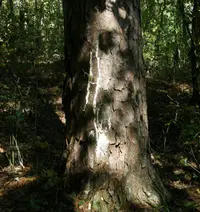
Butyrea luteoalba is a little-known species, likely a small understory plant or epiphyte, described from specialized habitats that are not commonly represented in cultivation. It is typically recorded from limited natural ranges, often in forested or humid environments where light is filtered and conditions remain stable.
Because it is rarely grown, information on appearance and growth habit in home settings is limited, and material in the trade is unusual. As a result, how to care for Butyrea luteoalba is not yet standardized, and growers usually rely on closely related species for guidance.
In general, this kind of plant tends to prefer gentle, indirect light, steady moisture without waterlogging, and a loose, well-drained, organic-rich substrate that mimics leaf-litter or forest-floor conditions.

Care Difficulty
Moderate Care

Light Preference
Partial Shade

Water Requirements
Moderate Water

Temperature Preference
Warm Climate

Hardiness Zone
Unknown

Soil Texture
Loamy

Soil pH
Slightly acidic (6.5–7.0)

Soil Drainage
Well-drained

Fertilization
Minimal (feed rarely)
Scan your plant to receive care tips personalized for your specific plant
Available on iOS and Android
This species prefers bright, gentle light that mimics a forest-edge habitat.
Watering should balance consistent moisture with strong drainage to protect the roots.
Stable, mild temperatures support steady growth and reduce stress for this plant.
This species prefers moderate to high humidity and reacts quickly to very dry air.
This plant needs a loose, well-drained, organic-rich substrate to prevent root problems.
This species adapts well to container culture when root space and drainage are carefully managed.
This species is usually adapted to low-nutrient conditions, so Butyrea luteoalba needs only modest feeding in cultivation.
Pruning Butyrea luteoalba focuses on safety, structure, and light management rather than frequent shaping.
This species is typically grown in the ground; transplanting young Butyrea luteoalba plants correctly limits shock and establishes stronger roots.
Propagation of Butyrea luteoalba is usually done by seed and sometimes by semi-hardwood cuttings under controlled conditions.
Mature plants are generally cold hardy in suitable climates, so winter care for Butyrea luteoalba is minimal once established.

Plant Health Check
Not sure what's wrong with your plant? Check your plant's health inside the app.
This name appears mainly in older or informal sources and is not recognized as a valid, well-documented species in current major mycological or botanical databases, which suggests it may be a synonym, misapplied name, or an outdated combination.
Based on its construction and historical usage, the name has most often been associated with fungi rather than green plants, but its exact application is unclear without a confirmed type specimen and modern taxonomic treatment.
There is currently no reliable, peer‑reviewed body of morphological, ecological, or distributional data that can be confidently assigned to this name, so any detailed profile or Butyrea luteoalba plant care guidance found online should be treated with caution.
Lack of flowering usually relates to plant immaturity, insufficient seasonal temperature contrast, or nutrient imbalance. Ensure a cool rest period, avoid high-nitrogen fertilizer, and maintain stable care so energy is directed to bud formation rather than leafy growth.
Keep your plants happy and healthy with plant identification, disease detection, and easy care guidance.

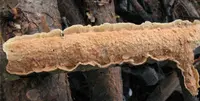
Netted Crust
Byssomerulius corium
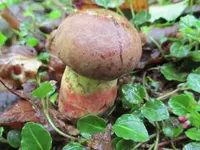
Butyriboletus brunneus
Butyriboletus brunneus
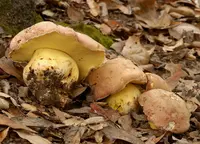
Butter Bolete
Butyriboletus appendiculatus
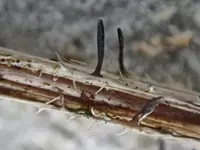
Acrospermum compressum
Acrospermum compressum
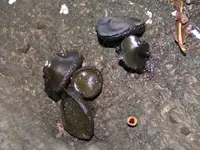
Poor Man's Licorice
Bulgaria inquinans
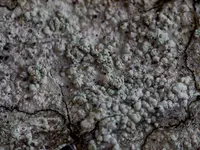
disc lichen
Buellia griseovirens
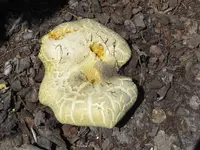
Golden Bolete
Buchwaldoboletus sphaerocephalus
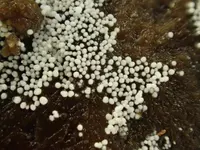
couscous crust
Bulbillomyces farinosus