Butyriboletus brunneus Care

Butyriboletus brunneus

About Butyriboletus brunneus

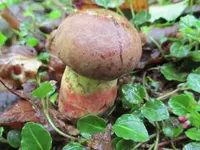
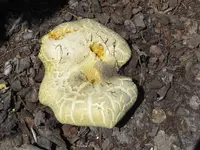
Butyriboletus brunneus is a fleshy, mycorrhizal fungus, not a leafy houseplant. It forms mutualistic associations with tree roots, helping both partners exchange water and nutrients. Its brown, often velvety cap and thick, pale to yellowish pores appear at ground level, usually near conifers or mixed woodlands.

In nature, it is found in temperate forest regions, typically emerging in warm, moist conditions. It is not a practical choice for typical indoor culture, since it depends on living host trees and complex soil life. For anyone exploring how to care for Butyriboletus brunneus, it is best viewed as a woodland species that is difficult to replicate in pots or standard garden beds.

Main Plant Requirements

Care Difficulty

Hard Care

Light Preference

Partial Shade

Water Requirements

Keep Soil Moist

Temperature Preference

Cool Climate

Hardiness Zone

Unknown

Soil Texture

Loamy, Silty, Organic-rich

Soil pH

Acidic (5.5–6.5)

Soil Drainage

Moist but well-drained

Fertilization

Minimal (feed rarely)

Get Personalized Care Plan

Scan your plant to receive care tips personalized for your specific plant

Available on iOS and Android

How to Care for the Butyriboletus brunneus

This mycorrhizal mushroom prefers dappled woodland light that keeps the forest floor evenly bright but not exposed.

  • Aim for bright shade or light filtered through tree canopies, roughly similar to 2–4 hours of weak, early morning sun with no direct midday exposure.
  • Choose sites under broadleaf or mixed woodland where leaf litter stays slightly moist; avoid open, south-facing clearings that receive strong sun for more than 4–5 hours.
  • In summer, increased canopy shade protects the mycelium; in leaf-off seasons, monitor for drying, as sudden full sun can overheat and desiccate fruiting areas.

This ectomycorrhizal fungus depends on consistently moist, not saturated, forest soil around its host trees.

  • Maintain evenly moist leaf litter and upper mineral soil; the top 1–2 cm should feel damp but not muddy when checked by hand.
  • Fruiting tends to follow periods of steady rain; prolonged dryness, cracked soil, and brittle litter indicate the mycelium is stressed and less likely to form Butyriboletus brunneus fruiting bodies.
  • Avoid standing water or heavy compaction; water should infiltrate within a few minutes, and persistent puddles suggest drainage problems that can favor rot and competing fungi.

This woodland bolete fruits best under mild to warm conditions and is sensitive to hard frost and intense heat.

  • Optimal fruiting usually occurs around 60–75°F (16–24°C), with underground mycelium remaining active over a slightly broader range if soil moisture is stable.
  • The mycelium can survive brief drops near 32°F (0°C), but repeated freezes that penetrate the topsoil reduce fruiting potential and can damage fine fungal threads.
  • Sustained temperatures above 85°F (29°C) combined with dry soil sharply limit growth; partial shade, organic mulch, and intact leaf litter buffer extreme heat swings.

This ectomycorrhizal fungus depends on consistently moist forest soil rather than controlled air humidity.

This fungus fruits best in undisturbed, well-aerated woodland soil rather than in artificial mixes.

  • Favors loose, humus-rich loam under trees, with abundant leaf litter and decomposing organic matter.
  • Requires freely draining yet moisture-retentive soil; avoid compacted clay, standing water, and heavily disturbed ground.
  • Performs in slightly acidic conditions around pH 5.0–6.5 typical of many coniferous and mixed forests.
  • Do not attempt Butyriboletus brunneus cultivation in pots; focus on maintaining a natural forest-type soil structure and fungal-friendly environment.

This species is not suitable for container growing, as it relies on complex mycorrhizal relationships with tree roots in undisturbed soil.

This ectomycorrhizal mushroom relies mainly on its tree partners for nutrition and usually needs no direct fertilization.

As a wild ectomycorrhizal fungus, this species does not require pruning in the horticultural sense.

This fungus is not suited to normal container culture, so focus on maintaining a stable tree-root habitat rather than repotting.

  • Avoid disturbing soil around host tree roots; the underground mycelium is sensitive to disruption.
  • If a host sapling must be moved, transplant in cool, moist weather to reduce stress on roots and fungal partner.
  • Lift a wide, deep root ball to keep as much native soil and mycelium intact as possible.
  • Water thoroughly after transplanting and maintain even moisture to help roots and fungal hyphae re-establish.

Reproducing Butyriboletus brunneus is challenging in cultivation and is usually left to natural spore dispersal in suitable forests.

This woodland fungus is naturally cold hardy in its native range and needs no specific winter care in the ground.

Care Tips

Mycorrhizal partnership protection

Avoid disturbing or tilling soil within 30–50 cm of the host tree’s dripline so the fine mycorrhizal roots that support fruiting bodies remain intact and productive.

Leaf litter management

Maintain a 2–5 cm layer of loose, undecayed leaf litter over the colonized area, topping it up annually, to stabilize moisture while still allowing air flow to the fungal mycelium.

Targeted moisture zoning

Irrigate the host tree’s root zone broadly rather than spraying only where mushrooms appear, since the fungus relies on evenly moist soil around feeder roots rather than localized surface wetting.

Soil compaction prevention

Keep foot traffic, equipment, and heavy pots away from the fruiting zone to prevent soil compaction, which reduces oxygen and can sharply lower mushroom production when growing Butyriboletus brunneus outdoors.

Chemical exposure avoidance

Do not apply synthetic fertilizers, herbicides, or systemic insecticides within the host tree’s root zone, as these can disrupt the tree–fungus relationship and suppress fruiting over several seasons.

Common Pests and Diseases

Fungal parasitism

This disease affects fruiting bodies when parasitic fungi colonize the cap or pores, causing distortion, discoloration, and premature decay. Symptoms include uneven growth, off-color patches, and soft, water-soaked tissue.

Solution

Remove and discard affected mushrooms promptly to limit spore spread, and avoid walking on or disturbing the mycelium area when fruiting. Keep the surrounding leaf litter and soil surface relatively clean of decaying mushrooms from other species, and avoid overwatering or adding excess organic debris that stays wet for long periods.

Mycelial competition

This problem arises when other aggressive soil fungi or molds invade and outcompete the native mycorrhizal mycelium, leading to reduced or absent fruiting. Symptoms include noticeable changes in soil fungal growth, such as dense white or colored mold mats where fruiting once occurred.

Solution

Limit soil disturbance and compaction around the host tree, and do not add foreign mushroom spawn, wood chips, or compost from unknown sources that may introduce competing species. Maintain stable moisture instead of frequent heavy soaking, and allow the area to dry slightly between rains or irrigations to discourage fast-growing opportunistic molds.

Fungivorous fly larvae

This pest targets developing mushrooms, with larvae tunneling through caps and stems and causing chambers filled with small maggots. Symptoms include small surface holes, spongy texture, and rapid internal decay of the fruiting body.

Solution

Harvest mushrooms as soon as they reach usable size, before caps fully flatten, to reduce time exposed to egg-laying adults. Remove and dispose of heavily infested fruiting bodies away from the site, and use fine mesh netting or fabric covers over small fruiting patches if consistent infestation occurs in the same location.

Slugs and snails

These pests feed on the soft tissue of young fruiting bodies, leaving ragged bite marks, slime trails, and sometimes consuming entire small mushrooms overnight. Symptoms include irregular holes in caps and stems and shredded pore surfaces.

Solution

Hand-pick slugs and snails during cool, damp periods and relocate them away from the host tree area, and reduce dense groundcover or debris that shelters them. Use physical barriers such as copper tape, rough gravel, or diatomaceous earth rings around the main fruiting zone, avoiding direct application on the mushrooms themselves.

Interesting Facts

European oak associate

This bolete forms ectomycorrhizal partnerships with oaks in Europe, especially in warm, broadleaf forests, exchanging mineral nutrients from the soil for sugars produced by the tree.

Brown cap with yellow pores

It shows a characteristically brown, velvety cap contrasted with yellow pores and a yellowish stipe, a combination that helps distinguish it from red-pored or blue-staining relatives in the Butyriboletus genus.

Recently reclassified species

Molecular phylogenetic studies led to its transfer from the broad Boletus group into the genus Butyriboletus, reflecting a more accurate understanding of its evolutionary relationships among butter boletes.

FAQs about Butyriboletus brunneus

This bolete is generally considered edible but is not widely documented or highly valued. Identification must be absolutely certain, as similar brown boletes can be inedible or cause gastrointestinal upset. Avoid eating old, insect‑damaged, or decaying specimens.

Grow Healthy Plants with Botan Care

Keep your plants happy and healthy with plant identification, disease detection, and easy care guidance.

Botan plant care app — identify plants on mobile

Explore More Plants