Arachnopeziza aurelia Care

Arachnopeziza aurelia

About Arachnopeziza aurelia

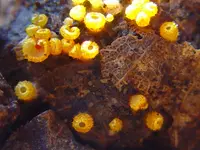
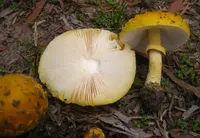
Arachnopeziza aurelia is not a true plant but a tiny cup fungus that grows on decaying wood and plant debris. It forms small, shallow, often orange to pale discs in tight clusters.

This species is saprophytic, meaning it feeds on dead organic matter and plays a role in nutrient recycling in forests. It is typically found in cool, damp woodland environments in temperate regions.

Because it is a specialized woodland fungus, it is not commonly cultivated, and practical guidance on how to care for Arachnopeziza aurelia is very limited. It would theoretically prefer consistently moist, shaded, well-ventilated conditions with abundant rotting wood as a substrate.

Main Plant Requirements

Care Difficulty

Hard Care

Light Preference

Shade

Water Requirements

Keep Soil Moist

Temperature Preference

Cool Climate

Hardiness Zone

Unknown

Soil Texture

Loamy, Silty, Organic-rich

Soil pH

Acidic (5.5–6.5)

Soil Drainage

Moist but well-drained

Fertilization

Minimal (feed rarely)

Get Personalized Care Plan

Scan your plant to receive care tips personalized for your specific plant

Available on iOS and Android

How to Care for the Arachnopeziza aurelia

This tiny cup fungus thrives in cool, shaded woodland conditions rather than direct sun exposure.

  • Provide dappled or filtered light under deciduous shrubs or trees, roughly 1–3 hours of weak morning sun and bright shade the rest of the day.
  • Avoid strong midday or afternoon sun, which can dry the substrate rapidly and inhibit fruiting of Arachnopeziza aurelia.
  • In summer, ensure consistent leaf-litter or moss cover to soften light; in winter, brief low-angle sun is usually harmless in cool, moist sites.

This fungus depends on consistently moist, humus-rich substrate rather than direct watering of the fruiting bodies.

  • Aim for evenly moist but not waterlogged leaf litter or decaying wood; the surface may feel slightly damp at 0–1 cm depth most of the time.
  • Increase moisture during warm, dry spells with gentle irrigation that soaks the substrate deeply, then allow slow surface drying while the interior remains moist.
  • Reduce supplemental watering in cool, wet seasons to avoid standing water, fungal rot of woody material, and green algal growth on the surface.

This species is adapted to cool, temperate woodland conditions and does best without temperature extremes.

  • Optimal fruiting usually occurs around 50–68°F (10–20°C), with steady moisture and shade supporting development.
  • Short exposures down to about 32°F (0°C) are tolerated, but prolonged hard frost below 28°F (-2°C) can damage delicate fruiting structures.
  • Heat above 77–82°F (25–28°C), especially with low humidity, often halts visible growth; prioritize shade, organic mulch, and moisture retention in hot periods.

This fungus favors consistently moist, cool air and substrate rather than specific room humidity control.

  • Aim for ambient humidity around 60–80% by keeping it in sheltered, naturally damp outdoor microhabitats.
  • It tolerates brief dips into drier air if the substrate stays evenly moist and does not fully dry.
  • Humidity stress appears as shriveling or failure to produce cups; increase local humidity by using mulch and reducing air movement.

This saprophytic fungus grows best in consistently moist, organic-rich substrate rather than conventional potted soil.

  • Use a loose mix of well-rotted hardwood leaf litter, fine bark, and a small amount of loam to mimic forest-floor texture.
  • Ensure high organic content with fine particle size so the substrate stays evenly moist yet not waterlogged.
  • Maintain slightly acidic conditions (around pH 5.0–6.5), adding leaf mold or peat-free acidic compost if the base material is neutral.
  • Avoid mineral-heavy, compacted, or sterilized potting mixes that limit decomposing organic matter and reduce aeration.

This species is not well suited to conventional container growing, though it may occur incidentally in very moist tubs or trays of decaying wood or leaf litter.

This tiny saprophytic fungus grows on decaying wood and usually does not benefit from added fertilizer in garden or indoor culture.

Pruning is not applicable to this minute cup fungus, as the fruiting bodies are temporary and arise from decaying wood.

In cultivation, Arachnopeziza aurelia is managed by adjusting its woody substrate rather than by classic repotting.

  • Treat it more like a substrate-dependent fungus than a potted plant; avoid standard houseplant repotting schedules.
  • If growth declines, replace old, heavily decomposed wood with fresh, untreated, slightly decayed hardwood pieces.
  • Move colonized wood gently to a new container or terrarium, keeping it evenly moist to limit mycelium stress.
  • Minimize handling of the delicate fruiting bodies; shift substrate during non-fruiting periods when possible.

Propagation focuses on encouraging spore dispersal and fresh colonization of suitable wood rather than on cuttings or division.

  • Introduce small, colonized wood pieces onto fresh, slightly decayed hardwood in a consistently moist, shaded setup.
  • Allow mature cups to release spores naturally over nearby, suitable woody debris for gradual spread.
  • Maintain cool, humid air and avoid strong air currents, which can dry the substrate and reduce successful colonization.
  • Do not attempt cutting or division methods used for vascular plants, as they damage the fungal mycelium.

Outdoor colonies on natural wood usually need no special winter care across temperate climates, as the fungus retreats to the wood when dormant.

  • In containers or terrariums, keep the woody substrate just moist, not waterlogged, during cold months.
  • Avoid repeated freeze–thaw cycles on small containers by overwintering them in a cold, sheltered, unheated space.
  • If grown indoors, maintain cool to mild temperatures and stable humidity, allowing fruiting to pause naturally.

Care Tips

Retain Host Wood

Leave small decaying hardwood sticks or branches in place rather than tidying them away, since this fungus depends on consistently rotting wood as its substrate.

Stabilize Moist Microclimate

Partially sink the host wood into a moisture-retentive woodland bed or shaded mulch layer so the fruiting surface stays evenly damp but not waterlogged.

Gentle Observation Only

Avoid touching or brushing the tiny cup structures and use a hand lens or macro setting on a camera for viewing, since physical disturbance easily damages the fertile tissue.

Substrate Rotation

Introduce fresh, similarly sized pieces of decaying hardwood every 1–2 years near existing colonies to provide future habitat and support long-term continuity when growing Arachnopeziza aurelia.

Limit Nearby Fungicides

Do not use fungicidal sprays or sulfur dusts near the fruiting wood, as broad-spectrum products can suppress or kill the delicate ascomata along with target pathogens.

Common Pests and Diseases

Wood-boring beetles

These insects sometimes tunnel into the decaying hardwood where this fungus grows, damaging the substrate and indirectly disrupting fruiting bodies. Symptoms include small round exit holes, fine sawdust-like frass, and brittle, undermined wood around the fungus.

Solution

Remove and discard heavily infested wood and, if possible, replace it with clean, well-decayed hardwood to maintain the habitat. Store collected substrate in a cool, shaded, well-ventilated place and avoid keeping it in contact with old, infested firewood or lumber to limit beetle spread when caring for Arachnopeziza aurelia in cultivation setups.

Fungus gnat larvae

These insects can proliferate in very moist, organic-rich substrates and their larvae may graze on fine fungal tissues and mycelium. Symptoms include tiny black adult flies resting on or near the culture container and fine surface tunneling in very soft substrate or culture media.

Solution

Allow the surface of the substrate to dry slightly between misting, improve airflow, and use fine mesh or breathable covers over culture containers to reduce adult access. Yellow sticky traps near the growing area can capture adult gnats, while reducing excess organic debris and standing water will lower larval survival.

Competing mold fungi

This disease pressure arises when opportunistic molds colonize the same decaying wood or culture medium, overgrowing the delicate apothecia and mycelium. Symptoms include fast-spreading white, gray, green, or black fuzzy growth that covers the substrate surface and suppresses the small cup-like fruiting bodies.

Solution

Physically remove or discard heavily contaminated pieces of wood or media and reduce overall moisture by allowing more airflow and slightly drier conditions. When trying to grow A. aurelia in controlled conditions, start with clean, freshly sterilized or pasteurized substrate and maintain good ventilation to favor slower-growing disc fungi over aggressive molds.

Bacterial soft rot

This disease develops in very wet, stagnant conditions and breaks down the organic substrate into a slimy, foul-smelling mass that no longer supports stable fruiting. Symptoms include wet, mushy patches on wood or culture media, discoloration, and a sour or rotten odor around the growing site.

Solution

Discard badly affected substrate and reduce watering or misting so surfaces stay moist but not waterlogged. Provide better drainage and airflow around stored wood or culture containers and keep tools, trays, and collection boxes clean to limit bacterial spread.

Interesting Facts

Delicate hair-like cups

This species forms tiny cup-shaped fruiting bodies lined and often fringed with fine, hair-like structures, which increase the surface area where its spore-producing tissue is exposed to the air.

Specialist on decayed wood

It typically colonizes very decayed, barkless pieces of hardwood, appearing late in the decomposition process as part of the fungal community that breaks down persistent wood components such as lignin and cellulose.

Cold-season fruiting pattern

In temperate regions it is most often recorded from late autumn through early spring, when cooler, moist conditions favor development of its small, short-lived fruiting bodies.

Botan icon

Did you know?

This species has long been a reference taxon in the family Arachnopezizaceae, and its characteristic hairy apothecia and microscopic features, such as its slender, curved spores, are used by mycologists to help define and compare related genera within the Helotiales.

FAQs about Arachnopeziza aurelia

This tiny cup fungus is not considered edible. It is classified as inedible mainly due to its very small size and lack of culinary value, and it should not be collected for food.

Grow Healthy Plants with Botan Care

Keep your plants happy and healthy with plant identification, disease detection, and easy care guidance.

Botan plant care app — identify plants on mobile

Explore More Plants