Fruity Brittlegill Care (Russula queletii)

Fruity Brittlegill

About Fruity Brittlegill

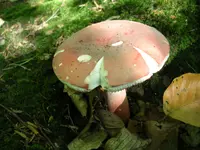
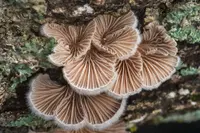
Fruity brittlegill, Russula queletii, is a wild mushroom species rather than a typical garden plant. It forms compact, bright to dark red caps with white, brittle gills and a short, sturdy stem. The flesh often has a mild fruity smell when fresh.

This species grows naturally in coniferous woodlands, especially under spruce, where it forms mycorrhizal partnerships with tree roots, helping both partners exchange water and nutrients. It is considered inedible due to its hot, acrid taste, so it is not a good choice for food-focused cultivation.

Those who want to observe or care for Fruity Brittlegill in a woodland-style garden setting need cool, moist, acidic soil and nearby conifers to mimic its natural habitat.

Main Plant Requirements

Care Difficulty

Hard Care

Light Preference

Partial Shade

Water Requirements

Regular Water

Temperature Preference

Cool Climate

Hardiness Zone

Unknown

Soil Texture

Loamy, Peaty, Organic-rich

Soil pH

Strongly acidic (4.5–5.5), Acidic (5.5–6.5)

Soil Drainage

Moist but well-drained

Fertilization

Minimal (feed rarely)

Get Personalized Care Plan

Scan your plant to receive care tips personalized for your specific plant

Available on iOS and Android

How to Care for the Fruity Brittlegill

Russula queletii prefers cool, shaded woodland light rather than direct open sun.

  • Provide dappled or filtered light under trees, with no more than 1–2 hours of weak direct morning sun and full shade during hot afternoons.
  • Choose north- or east-facing forest edges or dense canopy areas where the ground receives broken light for 2–4 hours and bright shade for the rest of the day.
  • Protect Fruity Brittlegill from strong midday and afternoon sun, which can dry the fruiting zone, stressing the mycelium and reducing mushroom production in dry summers.

Russula queletii develops best where the forest soil stays consistently moist but not saturated.

  • Aim for soil that feels moist 2–5 cm below the surface, never powder-dry; regular rainfall or light woodland irrigation usually maintains this in cool, shaded sites.
  • Increase moisture input during dry spells by mimicking steady woodland rain: several light soakings per week that moisten the top 5–8 cm without leaving standing water.
  • Watch for overwatering signs such as sour odor, soggy leaf litter, or standing puddles, and underwatering signs like dusty topsoil and brittle surface litter around the host trees.

This woodland mushroom favors cool to mild conditions typical of temperate forests.

  • Optimal fruiting occurs around 50–65°F (10–18°C), often in late summer to autumn when nights cool and soil retains steady moisture.
  • The mycelium in soil can tolerate brief drops near 28–32°F (-2–0°C), but extended hard frost or frozen ground sharply reduces fruiting activity.
  • Sustained heat above 77–82°F (25–28°C), especially with dry air and sun-exposed soil, can halt fruiting and dry surface layers, so deep leaf litter and shade help buffer temperature swings.

Humidity is not a primary controllable factor for Russula queletii under normal outdoor conditions.

Russula queletii fruits best in cool, moist, well-aerated forest soil with stable structure.

  • Aim for a loose, humus-rich, loamy texture with plenty of decayed leaf litter to mimic conifer forest floors.
  • Ensure drainage is free but not rapid by combining leaf mold or compost with native soil and a small amount of coarse sand.
  • Maintain slightly acidic conditions around pH 4.5–6.0, which favors this mycorrhizal fungus in coniferous woodland.
  • Avoid compacted, waterlogged, heavily fertilized, or limed soils, which can disrupt its tree root associations and prevent fruiting.

This species is not suitable for standard container growing because it depends on mycorrhizal partnership with trees in undisturbed soil.

Russula queletii is a wild mycorrhizal fungus and does not need direct fertilization in typical garden or forest settings.

Russula queletii does not require pruning, as the visible mushroom is a short-lived fruiting body rather than a long-term plant structure.

This species is not suited to standard repotting, as it relies on a mycorrhizal partnership with tree roots in soil, not containers.

  • Transplant only by moving the associated host tree or undisturbed soil block, not the mushroom itself.
  • If relocating soil, do so in cool, moist weather to reduce stress on tree roots and fungal hyphae.
  • Keep soil structure intact; avoid breaking up the root zone or heavily tilling the area.
  • After any move, maintain steady moisture and avoid high-nitrogen fertilizers that can disrupt the fungal association.

Propagation of Russula queletii is complex and rarely attempted by home growers, as it depends on spores and a stable mycorrhizal relationship with suitable host trees.

This woodland fungus is naturally cold hardy in its native range and does not require specific winter care from gardeners.

Care Tips

Choose host trees

Establish this mycorrhizal fungus in soil under compatible conifers such as spruce or fir, since it relies on a living tree root system rather than organic substrates used for typical mushroom beds.

Minimize soil disturbance

Avoid digging, tilling, or heavy raking in the root zone of the host trees so the fine mycelial network is not physically broken and can fruit more reliably over several seasons.

Maintain leaf litter

Leave a thin, natural layer of needles, leaves, and small twigs on the soil surface to help conserve moisture, buffer temperature swings, and protect developing mycelium.

Avoid fungicidal treatments

Do not apply fungicides or broad-spectrum soil sterilants near the intended fruiting area, since these products can kill or severely weaken the symbiotic mycelium responsible for producing caps.

Document fruiting pattern

Photograph and map fruiting spots and timing over several years, then adjust any light understory pruning, mulching, or foot traffic to support the most consistent patches when growing Fruity Brittlegill.

Common Pests and Diseases

Mycophagous insects

These insects feed directly on the fruiting bodies, leaving pits, tunnels, or ragged edges on caps and gills. Symptoms include rapid deterioration of young mushrooms and the presence of small larvae inside the flesh.

Solution

Collect and remove infested fruiting bodies as soon as damage is noticed to reduce breeding sites, and avoid leaving decaying specimens on the ground. In garden or managed woodland settings, maintain good litter hygiene and limit attractants such as rotting produce or compost piles placed directly beside mushroom-rich areas.

Slug and snail grazing

This pest leaves irregular holes, shredded margins, and slime trails on caps and stems, often overnight. Symptoms include partially eaten fruiting bodies and distorted or collapsed caps.

Solution

Hand-pick slugs and snails during damp evenings or early mornings and remove them from the area, and keep dense groundcover or debris slightly reduced where feasible to make hiding places less abundant. Copper barriers, sharp mineral mulches, or carefully positioned, pet-safe iron phosphate slug baits can also help protect mushrooms in cultivated or closely observed sites.

Maggot infestation

These insects are typically fly larvae that colonize developing mushrooms, causing soft, spongy, or water-soaked tissue and internal tunneling. Symptoms include caps that feel unusually light or hollow and small entry holes or frass in the stem base.

Solution

Harvest and discard heavily infested fruiting bodies promptly and avoid leaving cut or damaged mushrooms on the forest floor, since these attract adult flies. Where monitoring is possible, collecting Fruity Brittlegill at an earlier developmental stage reduces the window for egg-laying and maggot development.

Parasitic mould

This disease is caused by other fungi that colonize the mushroom surface, leading to fuzzy white, grey, or colored mould patches and premature decay. Symptoms include discolored, slimy, or distorted caps and rapid collapse of the affected fruiting bodies.

Solution

Remove and dispose of any mouldy fruiting bodies immediately to limit spore spread in closely managed areas, and avoid handling healthy mushrooms after touching infected ones. In semi-managed woodlands, maintaining moderate air movement through careful thinning of dense underbrush can help reduce prolonged surface moisture that favors parasitic mould development.

Interesting Facts

Specialist spruce associate

This brittle gill forms ectomycorrhizal partnerships mainly with Norway spruce and other spruces in acidic coniferous forests, exchanging mineral nutrients from the soil for sugars from the tree roots.

Strong fruity scent

Mature fruiting bodies often develop a distinct sweet, fruity odor, which helps distinguish it from some similar purple and red Russula species that lack this scent.

Irritating, not deadly

Although sometimes described as inedible, it is not known as a dangerously poisonous species; instead, it is mainly avoided because it can cause strong gastrointestinal upset and has a hot, acrid taste.

Botan icon

Did you know?

This species is strongly associated with high-elevation and montane conifer forests in parts of Europe, and its distribution can serve as an indicator of cool, acidic, spruce-dominated habitats with relatively undisturbed soil fungal communities.

FAQs about Fruity Brittlegill

This mushroom is generally considered inedible or of poor culinary value due to its brittle texture and often acrid taste. Identification can be difficult, and confusion with toxic red-capped Russula species is possible, so it should not be eaten.

Grow Healthy Plants with Botan Care

Keep your plants happy and healthy with plant identification, disease detection, and easy care guidance.

Botan plant care app — identify plants on mobile

Explore More Plants