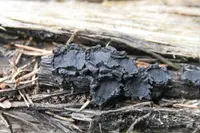
Splitgill Care (Schizophyllum commune)

Also known as: splitgill mushroom, common porecrust, Split Gill Fungus
Splitgill

About Splitgill

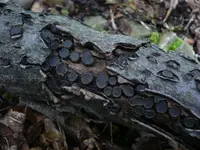
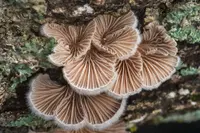
Splitgill, Schizophyllum commune, is a small, shelf-like fungus rather than a traditional leafy houseplant. It forms fan-shaped, whitish to gray fruiting bodies with distinctive split gills on the underside.

This species naturally occurs on dead or decaying wood in forests worldwide, especially in warm, humid regions. It is a saprophytic fungus, meaning it feeds on dead organic material and helps break down wood.

In cultivation it is considered specialized and is not as straightforward as common edible mushrooms. Successful attempts to care for Splitgill usually focus on maintaining consistently moist, clean woody substrates and stable humidity, often in controlled indoor or lab-like setups.

Main Plant Requirements

Care Difficulty

Moderate Care

Light Preference

Partial Shade

Water Requirements

Keep Soil Moist

Temperature Preference

Warm Climate

Hardiness Zone

Unknown

Soil Texture

Loamy, Organic-rich

Soil pH

Acidic (5.5–6.5), Slightly acidic (6.5–7.0)

Soil Drainage

Moist but well-drained

Fertilization

Minimal (feed rarely)

Get Personalized Care Plan

Scan your plant to receive care tips personalized for your specific plant

Available on iOS and Android

How to Care for the Splitgill

This wood-decaying fungus prefers low to moderate light, similar to a shaded forest edge.

  • Provide dappled light or bright shade, such as under trees or on the shaded side of logs, avoiding more than 1–2 hours of direct midday sun.
  • Morning or late-afternoon sun is tolerated, but strong midday exposure can dry substrates and damage fruiting bodies of Splitgill.
  • In summer, choose north- or east-facing aspects; in winter, slightly brighter positions help compensate for shorter 6–8 hour daylight periods.

This species prefers consistently moist, not saturated, conditions on wood or woody debris.

  • Maintain evenly moist substrate, allowing only the surface to start feeling slightly dry before rewetting; avoid standing water around logs or wood pieces.
  • In warm, dry weather, watch for shriveling or hardening fruiting bodies, which indicate insufficient moisture; mist or gently soak the substrate when noted.
  • Signs of overwatering include sour or stagnant odor and slimy patches; improve drainage and reduce soaking time, especially in cool seasons for Schizophyllum commune.

This fungus favors mild, frost-free conditions but can withstand a relatively broad temperature range.

  • Optimal growth occurs around 60–77°F (16–25°C), with most fruiting appearing during cool, moist periods of spring and fall.
  • It tolerates down to about 32°F (0°C), but repeated hard frosts can damage exposed fruiting bodies, though underlying mycelium in wood may survive.
  • High temperatures above 86°F (30°C), especially with low humidity, slow growth and dry the substrate, so provide shade and moisture buffering in hot seasons.

This wood-decay fungus requires consistently high humidity to fruit and persist.

  • Maintain very high ambient humidity, ideally 80–95%, around developing fruiting bodies on logs or substrates.
  • Tolerates brief dips to 60–70% but prolonged dry air causes shriveling, toughening, and halted growth.
  • Increase humidity with frequent misting of the substrate, humidified grow tents, or loosely covering colonized wood while allowing some air exchange.

This species grows naturally on wood rather than mineral soil, so it needs a lignin-rich, highly aerated substrate.

  • Use shredded hardwood, sawdust, or chipped logs with some coarse bark pieces instead of loamy or sandy mixes for Schizophyllum commune.
  • Ensure the substrate drains freely yet retains surface moisture; avoid waterlogged containers or standing water around inoculated wood.
  • Keep pH slightly acidic to neutral (about 5.5–7.0) by using untreated hardwoods and avoiding liming materials.
  • Improve aeration by mixing in coarse wood chips or drilling extra air holes in non-soil cultivation containers while still protecting from direct drying drafts.

This species can be managed in containers when grown on inoculated wood or sawdust blocks rather than conventional potting soil.

  • Choose a wide, shallow tub or tray that fits the log or sawdust block snugly to limit tipping while still allowing air circulation around the sides.
  • Elevate the wood or block on spacers inside the container so excess moisture can drain away and the base does not stay submerged.
  • Use opaque or dark-sided containers to reduce surface algae growth and help stabilize moisture and temperature around the colonized substrate.

This wood-decaying fungus is usually grown on nutrient-rich substrates and needs minimal additional fertilization.

Pruning is not a standard practice for Schizophyllum commune, as it is a saprophytic fungus rather than a garden shrub or houseplant.

Transplanting mainly concerns moving colonized substrate rather than handling a conventional root system.

  • Transplant only when the colonized block or log is fully established but before fruiting bodies decline.
  • Schedule moves during mild conditions in spring or fall to limit stress and drying.
  • Shift the entire colonized piece into a new location or container without breaking it apart.
  • Maintain similar moisture, airflow, and shade levels in the new site to support continued growth.

Propagation is typically done under controlled conditions using spores or cultured mycelium rather than garden methods used for vascular plants.

Outdoor colonies are generally cold hardy and usually require no specific winter protection in temperate climates.

Care Tips

Prepare Clean Substrate

Use freshly cut, non-rotten hardwood pieces or properly pasteurized sawdust/wood chips to minimize competing fungi and bacteria before growing Splitgill.

Control Moisture Gradient

Arrange the substrate so that the lower layer stays slightly wetter and the upper surface is just moist, which encourages fruiting bodies to form on the exposed drier edges rather than staying hidden inside the wood.

Optimize Air Exchange

Provide gentle, continuous air movement around the culture using a small fan on low setting at a distance to limit carbon dioxide buildup and reduce malformed or overly elongated fruiting bodies.

Staggered Hydration Cycles

Allow the substrate surface to approach dryness between misting cycles, then rehydrate thoroughly, which often triggers new flushes and maintains a healthier mycelial rhythm than constantly saturated conditions.

Monitor Competing Fungi

Inspect the substrate weekly and promptly remove or isolate sections showing strong contamination by other fungi or mold to keep the culture productive and simplify caring for Splitgill in a controlled space.

Common Pests and Diseases

Insect grazing

This pest damage is caused by small invertebrates such as fungus gnats, springtails, or woodlice feeding on tender fungal tissue. Symptoms include ragged or missing sections of fruiting bodies and fine surface scraping on the gills.

Solution

Reduce excess moisture around cultivation trays or substrate blocks, remove decaying plant debris, and use fine mesh or sticky traps to lower insect numbers. For persistent issues, move cultures to insect-proof containers or a clean grow tent and use biological controls such as Bacillus thuringiensis israelensis (BTI) where fungus gnats are present.

Mite infestation

These insects are actually tiny arachnids that can colonize culture media and fruiting bodies, feeding on mycelium and spores. Symptoms include slow or stalled growth, a dusty or moving surface on substrate, and small pitted areas on the fruiting surface.

Solution

Quarantine affected cultures, discard heavily infested substrate, and thoroughly clean shelves and tools with 70% isopropyl alcohol. Improve hygiene, avoid bringing in unsterilized woody material, and if needed introduce predatory mites suited to mushroom production while lowering humidity slightly to slow the pest population without drying the fungus completely.

Green mold contamination

This disease is typically caused by Trichoderma species invading substrate or culture, outcompeting the fungus and producing dense green patches. Symptoms include bright to dark green powdery areas on the substrate or at the base of fruiting bodies and a strong earthy or musty odor.

Solution

Immediately remove and discard contaminated blocks or trays in sealed bags and avoid opening them indoors. Disinfect the growing area, improve sterilization of substrate, reduce unnecessary handling, and ensure strong, fast mycelial colonization by using vigorous, uncontaminated spawn when growing Splitgill.

Bacterial blotch

This disease is caused by opportunistic bacteria thriving under overly wet, stagnant conditions on the fruiting bodies. Symptoms include slimy, water-soaked spots, yellow to brown discoloration, and an unpleasant odor on the upper surface of the caps.

Solution

Increase fresh air exchange, reduce direct misting on the mushroom surface, and focus on raising humidity through room or tent humidification instead of wetting the caps. Remove and discard badly affected clusters and sanitize surfaces and tools to prevent spread to new flushes.

Interesting Facts

Unique split gill structure

This fungus forms tiny fan-shaped fruiting bodies whose undersides are divided into many longitudinal slits that open and close with humidity, a distinctive feature that gives rise to the common name splitgill.

Extreme desiccation tolerance

Its fruiting bodies can dry out almost completely and later revive metabolic activity and spore production after rehydration, an ability that has made it a model organism for studying fungal drought tolerance.

Worldwide wood decomposer

It is one of the most widespread wood-decaying fungi, occurring on dead wood in tropical, temperate, and even some arid regions, where it contributes significantly to the breakdown of lignocellulose, the complex structural material in wood.

Botan icon

Did you know?

Genetic studies have shown that Schizophyllum commune has an exceptionally complex mating system with thousands of compatible mating types, which greatly increases the chances of successful outcrossing and makes it a classic model species in research on fungal genetics and reproduction.

FAQs about Splitgill

This wood-decaying fungus performs best outdoors on damp, dead wood, where humidity, airflow, and natural microflora are stable. Indoor culture is usually limited to controlled lab or specialist setups rather than typical home environments.

Grow Healthy Plants with Botan Care

Keep your plants happy and healthy with plant identification, disease detection, and easy care guidance.

Botan plant care app — identify plants on mobile

Explore More Plants