Cortinarius persplendidus Care

Cortinarius persplendidus

About Cortinarius persplendidus

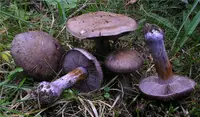
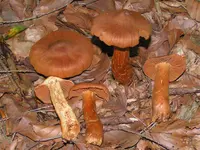
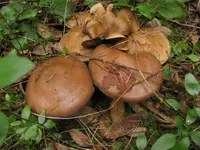
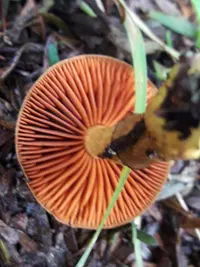
Cortinarius persplendidus is not a plant but a forest mushroom in the large Cortinarius genus. It is a mycorrhizal fungus, meaning it forms symbiotic associations with tree roots and relies on them for part of its nutrition. Caps are typically medium-sized with rich, often vivid colors and a finely fibrous surface, while the gills shift from pale to rusty brown as spores mature. This species is usually found on the ground in wooded areas, especially in temperate regions with moist, undisturbed soils. It is not suitable as a beginner cultivation project, since many Cortinarius species are difficult to identify and some are dangerously toxic, so home growers should not attempt to care for Cortinarius persplendidus.

Main Plant Requirements

Care Difficulty

Hard Care

Light Preference

Partial Shade

Water Requirements

Regular Water

Temperature Preference

Cool Climate

Hardiness Zone

Unknown

Soil Texture

Loamy, Silty, Organic-rich

Soil pH

Acidic (5.5–6.5)

Soil Drainage

Moist but well-drained

Fertilization

Minimal (feed rarely)

Get Personalized Care Plan

Scan your plant to receive care tips personalized for your specific plant

Available on iOS and Android

How to Care for the Cortinarius persplendidus

This forest-dwelling fungus prefers cool, shaded conditions rather than direct sun exposure.

  • Provide dappled or filtered light under trees, similar to a mixed woodland canopy, with no more than 1–2 hours of weak morning sun and full protection from harsh midday and afternoon sun.
  • Site Cortinarius persplendidus where leaf litter or low vegetation naturally shades the ground, as its mycorrhizal association with tree roots relies on a stable, shaded microclimate.
  • Watch for drying, crusted soil and bleaching of nearby leaf litter as signs of excessive sun; deeper shade is preferable to bright, exposed positions, especially in summer.

This species requires consistently moist but not waterlogged soil around its tree partners to fruit well.

  • Aim for soil that stays evenly moist in the top 5–8 cm, never fully drying out, but avoid standing water or swampy patches that indicate poor drainage and low oxygen levels.
  • Use well-drained, humus-rich forest-type soil with plenty of leaf litter, which holds moisture while allowing excess water to percolate away from the fine fungal threads.
  • In dry spells, monitor the upper soil layer for cracking or hardening as a sign of insufficient moisture; soggy, sour-smelling soil points to prolonged overwatering or inadequate drainage.

This woodland fungus fruits best in cool to mild conditions and is sensitive to temperature extremes.

  • Optimal fruiting typically occurs around 50–65°F (10–18°C), often in autumn when days are cool and nights colder, matching natural temperate-forest conditions.
  • The underground mycelium can survive short drops near 28–32°F (-2–0°C), but hard, prolonged frost can damage fine hyphae and reduce fruiting the following season.
  • Sustained heat above 77°F (25°C), especially with dry soil, suppresses fruiting; shade, organic mulch, and stable moisture help buffer the organism during hotter periods.

Humidity is not a controllable or relevant factor for cultivating Cortinarius persplendidus at home.

This ectomycorrhizal fungus relies on natural forest soil rather than prepared mixes.

  • Prefers undisturbed, well-drained, humus-rich forest soil with abundant leaf litter and decaying wood.
  • Requires aerated, loose structure where fine roots of the host tree and fungal mycelium can spread freely.
  • Thrives in slightly acidic conditions, typically pH 5.0–6.5, often under conifers or mixed woodland.
  • Avoid compacted, waterlogged, fertilized, or container potting mixes, which disrupt the symbiosis needed for Cortinarius persplendidus care.

This species is not suitable for container growing because it depends on complex soil and tree-root relationships in the ground.

This ectomycorrhizal fungus relies mainly on its tree partners for nutrition and usually does not benefit from direct fertilization.

Cortinarius persplendidus is a wild mushroom species and is not maintained by pruning in the way ornamental plants are.

This species is not suited to containers and is managed, if at all, by establishing or conserving its woodland habitat rather than moving individual fungi.

  • Avoid transplanting, since the fungus depends on fine root associations with suitable host trees and soil microorganisms.
  • If habitat restoration is needed, move host trees with intact root balls and original soil rather than attempting to move the mushrooms themselves.
  • Plan any planting work for cool, moist seasons such as early spring or fall to reduce root stress on host trees.
  • Maintain undisturbed leaf litter and low soil compaction so existing mycelium networks remain stable after any site work.

Propagation of Cortinarius persplendidus is highly specialized and not practical for home growers, so intentional multiplication is rarely attempted.

This woodland fungus is naturally adapted to local seasonal cycles and does not require active winter care in the landscape.

Care Tips

Spore print monitoring

Collect spore prints from several mature fruiting bodies on white and dark paper to confirm correct species identification and avoid accidentally cultivating toxic look-alikes.

Hygienic site preparation

Before placing colonized substrate outdoors, remove leaf litter and old mushroom material from the site to lower the load of competing fungi and reduce the risk of contamination.

Tool and container sanitation

Rinse and then disinfect knives, trays, and any re-usable containers with 70% isopropyl alcohol before handling mycelium or fruiting bodies to minimize transfer of spores and pathogens between sites.

Habitat observation log

Keep a simple field log of host tree species, soil texture, shade pattern, and fruiting time each year to better understand the specific mycorrhizal conditions that support growing Cortinarius persplendidus in your area.

Common Pests and Diseases

Fungal gnat larvae

This pest affects developing fungal fruiting bodies and mycelium by feeding on soft tissues and spreading decay organisms. Symptoms include tunneling damage in caps and stems and poor or malformed mushroom development.

Solution

Use fine-mesh netting or fabric to exclude adult gnats from collection or cultivation areas, and remove any heavily infested or decaying mushrooms promptly. In controlled growing setups, reduce excess surface moisture, improve airflow, and use sticky traps to lower adult gnat populations while discarding contaminated substrate zones.

Mite infestation

These insects (actually arachnids) feed on spores, gills, and surface tissues, leading to pitting, discoloration, or collapse of the fruiting body. Symptoms include tiny moving specks on the cap or gills and a dusty or eroded appearance in affected areas.

Solution

Avoid collecting or attempting to grow Cortinarius species on heavily infested forest litter, and remove and discard visibly mite-damaged fruiting bodies. In indoor or controlled settings, keep the environment clean, reduce overcrowding of substrate, and use physical barriers plus careful substrate pasteurization to limit introduction of mites.

Bacterial blotch

This disease causes greasy, yellow-brown to dark lesions on caps and stems, often accompanied by a slimy surface and rapid tissue breakdown. Symptoms include localized soft spots that expand in humid, stagnant air conditions.

Solution

Improve air movement around fruiting bodies, avoid water sitting on caps, and reduce overhead misting that keeps surfaces wet for long periods. Remove and discard affected mushrooms and any obviously contaminated organic debris to limit spread, and clean tools and containers with a mild disinfectant before reuse.

Green mold contamination

This disease, usually caused by Trichoderma species, colonizes substrate and competes with the mycelium, leading to patchy growth failure and deformed or absent fruiting bodies. Symptoms include bright to dull green powdery patches on substrate near the base of mushrooms.

Solution

Discard any substrate or culture material showing green mold, as it outcompetes desired mycelium and spreads quickly. In controlled attempts at growing Cortinarius persplendidus, use well-sterilized or pasteurized substrate, maintain strict hygiene, and improve ventilation to avoid overly wet, stagnant conditions that favor Trichoderma growth.

Slugs and snails

This pest feeds on caps and stems, leaving large ragged holes, slime trails, and sometimes complete loss of young fruiting bodies. Symptoms include missing tissue from cap edges and characteristic shiny mucus on nearby litter or soil.

Solution

Hand-remove slugs and snails from collection or cultivation areas, especially after rain or in the evening, and use physical barriers such as copper tape or sharp grit around small growing beds. Avoid leaving dense, moist debris right beside desired fruiting zones and, if needed, use targeted, iron-phosphate-based baits placed away from non-target wildlife pathways.

Interesting Facts

Australian fungal native

This mushroom is described from Australia and is considered native there, known from eucalypt-dominated habitats where it associates with local tree species.

Mycorrhizal tree partner

It forms ectomycorrhizal associations with trees, meaning its fine underground hyphae wrap around root tips, helping the host obtain water and nutrients in exchange for sugars.

Taxonomy under revision

Like many Cortinarius species, it belongs to a large and taxonomically complex genus, and its exact placement and relationships have been examined using modern DNA-based methods as part of broader revisions of the group.

FAQs about Cortinarius persplendidus

This mushroom is not recommended for consumption. Many Cortinarius species contain dangerous toxins that can cause severe, delayed kidney damage. Identification is difficult even for experts, so it is safest to treat this species as poisonous and avoid eating it.

Grow Healthy Plants with Botan Care

Keep your plants happy and healthy with plant identification, disease detection, and easy care guidance.

Botan plant care app — identify plants on mobile

Explore More Plants