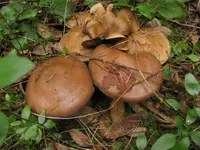












Bitter Olive Cort Care (Cortinarius infractus)

Also known as: bitter webcap
Bitter Olive Cort

About Bitter Olive Cort

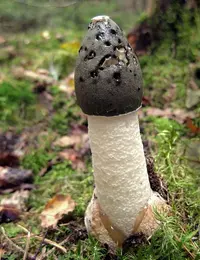
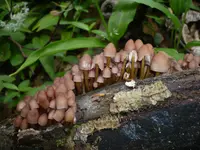
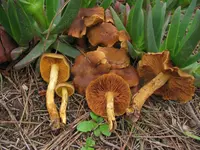
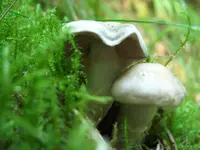
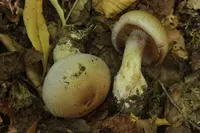
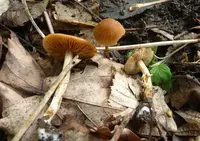
Bitter olive cort is a woodland mushroom, not a true plant, known for its dull olive to brown cap and often slightly bitter taste. Cortinarius infractus typically appears in coniferous and mixed forests, growing on the ground among leaf litter and moss. It forms mycorrhizal associations, meaning it lives in partnership with tree roots and depends on these trees for its development. This species is not easy to cultivate at home, since replicating its forest soil conditions and fungal–root relationship is difficult. For most home growers, it is better to observe it in nature than to attempt to care for Bitter Olive Cort indoors or in containers.

Main Plant Requirements

Care Difficulty

Moderate Care

Light Preference

Partial Shade

Water Requirements

Keep Soil Moist

Temperature Preference

Cool Climate

Hardiness Zone

Unknown

Soil Texture

Loamy, Silty, Organic-rich

Soil pH

Acidic (5.5–6.5), Slightly acidic (6.5–7.0)

Soil Drainage

Moist but well-drained

Fertilization

Minimal (feed rarely)

Get Personalized Care Plan

Scan your plant to receive care tips personalized for your specific plant

Available on iOS and Android

How to Care for the Bitter Olive Cort

This mycorrhizal fungus prefers low to moderate light within forested habitats rather than direct open sun.

  • Site Cortinarius infractus in dappled or filtered light under trees, avoiding direct midday sun that can dry the substrate too quickly.
  • Allow 1–3 hours of gentle morning or late-afternoon sun at most; stronger exposure can overheat the leaf litter and harm developing fruiting bodies.
  • Choose semi-shaded locations that stay bright enough to support host trees but with consistent canopy cover through summer and early autumn.

This woodland fungus depends on steady, natural soil moisture rather than frequent direct watering.

  • Maintain evenly moist, well-drained soil rich in leaf litter; the top 2–5 cm should feel slightly damp, not soggy or dusty-dry.
  • In dry spells, lightly moisten the surrounding ground every few days, allowing water to soak in fully without forming puddles or standing water.
  • Reduce supplemental watering in cool, wet seasons and watch for signs of stress such as cracked soil (too dry) or sour, anaerobic smells (overly wet).

This forest-dwelling species prefers cool to mild conditions and is sensitive to temperature extremes.

  • Aim for active growth and fruiting in cool seasons around 50–65°F (10–18°C), typical of shaded woodland floors in autumn.
  • Cortinarius infractus tolerates short dips near 32°F (0°C) but repeated hard frost below 28°F (-2°C) can damage fruiting bodies.
  • Extended heat above 77°F (25°C), especially with dry air, reduces activity; deeper shade and mulch help buffer rapid temperature swings.

Humidity is not a meaningful care factor for Bitter Olive Cort, which is a wild ectomycorrhizal fungus rather than a cultivated houseplant.

Cortinarius infractus is not suited to standard potting soils, as it is a forest ectomycorrhizal fungus that depends on tree roots and natural leaf litter.

  • Occurs naturally in moist, well-aerated forest soils with a loose, humus-rich upper layer over more compact mineral subsoil.
  • Prefers substrates built from decomposing leaves, twigs, and conifer or hardwood litter rather than structured loamy or sandy mixes.
  • Fungal mycelium associates with living tree roots, so it will not thrive in isolated compost, peat, bark, or perlite blends.
  • Attempts to recreate its habitat should focus on undisturbed woodland soil structure, avoiding fertilized, limed, or heavily amended garden beds.

This species is not realistically suitable for container growing, as it requires a living tree partner and stable woodland soil conditions.

This wild mycorrhizal fungus does not require fertilization in natural or woodland-style plantings.

Pruning is not a standard practice for Cortinarius infractus, since it is a woodland mushroom rather than a garden plant.

Transplanting this ectomycorrhizal fungus is rarely successful and usually not recommended.

  • In nature, the mycelium forms long-lasting partnerships with tree roots that do not adapt well to disturbance.
  • Avoid digging up fruiting bodies or surrounding soil, as this disrupts the hidden mycelial network.
  • If moving host trees, expect the original fungal colony to remain in place and not transplant with the root ball.
  • Focus instead on conserving the existing habitat, soil structure, and host tree health.

Intentional propagation of Cortinarius infractus is technically complex and not practical for home growers.

This woodland fungus is naturally cold hardy in its native range and does not need active winter care in gardens or forests.

Care Tips

Substrate pre-colonization

Inoculate small, clean containers of suitable host tree seedlings (such as oak or beech) with spores or mycelium before planting them outdoors, so the fungus can establish a mycorrhizal partnership under controlled, low-disturbance conditions.


Host root protection

Mark and avoid deep digging, tilling, or heavy foot traffic within at least a 1–2 m radius of colonized host trees, since physical disturbance of fine feeder roots can sharply reduce fruiting for several years.

Moisture buffering layer

Apply a thin, loose layer of untreated leaf litter from the same tree species as the host over the colonized area to help buffer moisture, moderate soil temperature, and provide a more natural forest-floor microhabitat.

Minimal nutrient inputs

Avoid high-nitrogen fertilizers and lawn treatments around the host trees, as excessive available nutrients can suppress mycorrhizal activity and reduce the likelihood of seeing fruiting bodies when growing Bitter Olive Cort.

Targeted fruiting checks

Survey the colonized area shortly after steady autumn rains and again after any mild warm spell, checking the same small zones carefully each time, since fruiting tends to recur in very specific micro-sites from year to year.

Common Pests and Diseases

Mycophagous springtails

These insects feed on fungal tissue and can graze on caps and gills, leaving small pits and roughened surfaces on fruiting bodies. Symptoms include clustered, jumping white or gray insects around the base and in moist debris near the mushrooms.

Solution

Limit constantly saturated substrates by improving drainage and reducing standing water, then gently remove heavily grazed fruiting bodies. If needed, use sticky traps around the cultivation area and reduce excess organic debris to lower springtail populations while maintaining the humidity required for growing Bitter Olive Cort.

Fungus gnats

These insects lay eggs in moist substrates, and the larvae tunnel through developing fruiting bodies, causing deformed or water-soaked stems and caps. This pest is often seen as small dark flies hovering around trays or beds where mushrooms are forming.

Solution

Allow the upper layer of substrate or casing soil to dry slightly between heavy misting while still avoiding full desiccation of the mycelium, and remove infested mushrooms promptly. Yellow sticky traps, fine mesh screens, and careful control of organic debris around the grow area help reduce adult populations and interrupt the life cycle.

Mite infestation

These pests feed on mycelium and young fruiting bodies, leading to uneven growth, scarring, and delayed or reduced mushroom formation. This pest often appears as tiny moving dots on caps, stems, and in the substrate surface, sometimes leaving fine debris or a dusty appearance.

Solution

Discard or isolate heavily infested blocks or beds, and clean shelves, tools, and containers with hot water and detergent. Improve hygiene, use fine mesh barriers, and, if necessary in a controlled cultivation setting, introduce predatory mites that target pest mites without harming the mushroom crop.

Bacterial blotch

This disease causes greasy, water-soaked, yellow to brown spots on caps, especially in areas exposed to direct water droplets under cool, humid conditions. Symptoms include localized soft areas that may expand and make mushrooms unmarketable or unsuitable for study.

Solution

Reduce overhead misting that leaves standing droplets on caps, increase gentle air movement, and keep humidity stable rather than fluctuating sharply. Remove blotched mushrooms, clean surfaces and tools with a mild disinfectant, and avoid handling caps with wet or dirty hands to limit bacterial spread.

Green mold contamination

This disease, often caused by Trichoderma species, competes aggressively with the mycelium, forming dense white patches that quickly turn green as spores develop. Symptoms include stalled or patchy colonization of the substrate and failure or reduction of fruiting.

Solution

Remove and discard contaminated substrates as soon as green sporulation appears, since spores spread easily in the air. Improve substrate sterilization or pasteurization, reduce unnecessary handling, and maintain good fresh air exchange without strong drafts to support healthy Cortinarius infractus care instructions and reduce mold pressure.

Interesting Facts

Exceptionally bitter taste

The fruiting bodies are intensely bitter due to infractine-type alkaloids, making them inedible even in very small amounts.

Distinct olive staining

The flesh and gills often show dark olive tones, especially when bruised or with age, which helps distinguish it from many other brown Cortinarius species.

Specialist forest partner

This fungus forms ectomycorrhizal associations with trees such as beech and spruce, exchanging mineral nutrients for sugars produced by the host tree.

Botan icon

Did you know?

The alkaloid infractine isolated from this species has been shown in pharmacological studies to have strong bitter and neurotoxic properties, which is one reason the species is considered poisonous despite its rather ordinary appearance.

FAQs about Bitter Olive Cort

This mushroom is considered inedible and potentially poisonous due to its very bitter taste and reported toxic compounds affecting the nervous system. It must not be eaten, and misidentification with edible species can be dangerous.

Grow Healthy Plants with Botan Care

Keep your plants happy and healthy with plant identification, disease detection, and easy care guidance.

Botan plant care app — identify plants on mobile

Explore More Plants