Cortinarius malicorius Care

Cortinarius malicorius

About Cortinarius malicorius

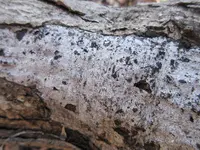
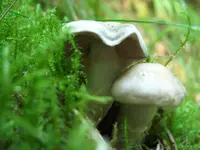
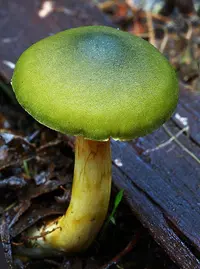
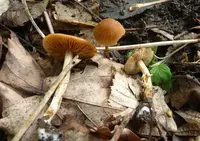
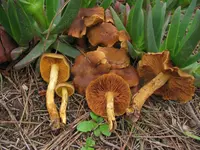
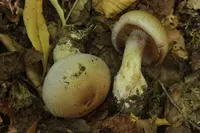
Cortinarius malicorius is not a plant but a gilled mushroom in the large genus Cortinarius. It forms small to medium fruiting bodies with a rounded to convex cap, often in brownish or ochre tones. The gills are covered by a fine web-like veil when young, a typical trait of this genus.

This species occurs in forested areas of Europe, usually in association with trees, where it forms mycorrhiza, a mutual partnership with roots. It is not suitable as a decorative houseplant or for casual cultivation, and attempts to care for Cortinarius malicorius at home are rarely successful. It depends on living host trees and natural woodland conditions rather than standard potting substrates or indoor environments.

Main Plant Requirements

Care Difficulty

Hard Care

Light Preference

Partial Shade

Water Requirements

Moderate Water

Temperature Preference

Cool Climate

Hardiness Zone

Unknown

Soil Texture

Loamy, Silty, Organic-rich

Soil pH

Acidic (5.5–6.5), Slightly acidic (6.5–7.0)

Soil Drainage

Moist but well-drained

Fertilization

Minimal (feed rarely)

Get Personalized Care Plan

Scan your plant to receive care tips personalized for your specific plant

Available on iOS and Android

How to Care for the Cortinarius malicorius

This forest-dwelling fungus prefers low to moderate, filtered light rather than direct sun.

  • Provide bright shade or dappled woodland light, such as beneath trees where direct sun is filtered for most of the day.
  • Aim for no more than 1–2 hours of weak morning sun; avoid harsh midday or afternoon sun, which can dry the substrate and harm the mycelium.
  • Select locations that receive stable shade even in summer, since strong seasonal shifts to full sun can overheat and desiccate the fruiting area.

This ectomycorrhizal fungus depends on consistently moist, but not waterlogged, soil around its host trees.

  • Maintain evenly moist soil in the top 5–8 cm, avoiding both cracked-dry surfaces and standing water that can suffocate the mycelium.
  • Increase moisture input during warm, dry periods, using gentle irrigation that soaks the upper soil without creating puddles; reduce input during cool, wet seasons.
  • Watch for signs of stress: sparse or absent fruiting bodies can indicate chronic dryness, while foul odor or slimy patches suggest prolonged saturation and poor drainage.

This species fruits best in cool to mild conditions typical of temperate forests.

  • Target an active fruiting range of about 50–65°F (10–18°C), which supports stable mycelial activity in the upper soil layer.
  • Avoid hard frosts below 28°F (-2°C) at the soil surface, since repeated freeze–thaw cycles can damage developing fruiting bodies of Cortinarius malicorius.
  • Limit exposure to prolonged heat above 77–82°F (25–28°C), which can dry the substrate and suppress fruiting, especially when combined with low humidity.

Humidity is not a controllable or relevant care factor for Cortinarius malicorius in typical cultivation contexts.

This ectomycorrhizal fungus relies on natural forest soil conditions rather than prepared mixes.

  • Occurs in humus-rich, well-structured forest soils with abundant decaying leaf litter and woody debris.
  • Prefers moist but not waterlogged conditions; standing water or compacted, puddled ground suppresses fruiting.
  • Typically associates with slightly acidic to neutral soils, around pH 5.0–7.0, under compatible host trees.
  • Avoid disturbed, heavily fertilized, or highly alkaline ground, which disrupts the tree–fungus relationship and reduces fruit body formation.

This species is not suitable for container growing, as it depends on complex mycorrhizal relationships with tree roots in natural soil ecosystems.

This ectomycorrhizal fungus should not be fertilized directly, as added nutrients can disrupt its symbiosis with host trees.

Pruning is not applicable for Cortinarius malicorius, as it is a wild ectomycorrhizal mushroom rather than a plant with stems or branches.

Transplanting this fungus is not recommended, since it depends on complex, sensitive relationships with specific tree roots and soil microbes.

  • Avoid attempting to move established colonies, as disturbing the soil and fine roots often destroys the mycelium network.
  • If research or conservation requires relocation, work with intact soil blocks around host roots, keeping them as undisturbed as possible.
  • Maintain original soil texture, drainage, and pH to support any remaining mycelium after unavoidable ground disturbance.

Attempting to propagate Cortinarius malicorius in a home or hobby setting is not practical due to its strict ectomycorrhizal requirements.

No special winter care is needed, as this fungus persists in soil as mycelium and naturally tolerates seasonal cold in its native range.

Care Tips

Habitat replication

When attempting cultivation, mimic its natural forest habitat by using a shaded outdoor bed with undisturbed leaf litter over naturally occurring or inoculated host tree roots, rather than pots or indoor setups.

Mycorrhizal host matching

Establish or use an existing stand of compatible trees (such as native broadleaf or conifer species documented for this fungus in your region) and introduce spawn only at the root zone of those potential mycorrhizal partners.

Minimal soil disturbance

After inoculating the area, avoid digging, raking, or compacting the soil so the fine fungal threads can form stable mycorrhizal connections with tree roots over several years.

Leaf litter management

Maintain a continuous layer of mixed, untreated leaf litter and small woody debris instead of commercial mulches, as this creates a more natural microhabitat and helps support nutrient cycling for the fungus–tree association.

Long-term monitoring

Plan for a multi-year timeline, checking the site seasonally for changes in tree vigor and occasional fruiting bodies, since caring for Cortinarius malicorius relies on patient observation of the whole forest-like system rather than quick visible results.

Common Pests and Diseases

Mycophagous mites

These insects feed on developing fruiting bodies, causing pitting, distortion, and premature collapse of caps and gills. Symptoms include tiny moving dots on the mushroom surface and fine, dusty frass in gill folds.

Solution

Remove and discard heavily damaged fruiting bodies, then carefully brush or rinse remaining caps with clean water to dislodge mites. Reduce excessive surface moisture, improve airflow around the fruiting area, and, in controlled cultivation, use fine mesh barriers and clean substrate to limit mite access as part of overall Cortinarius malicorius care instructions.

Fungivorous springtails

These insects thrive in very moist substrates and graze on young primordia and mycelial surfaces, reducing successful mushroom formation. Symptoms include tiny jumping insects on the substrate and small bite marks or failure of pins to develop.

Solution

Lower surface moisture slightly by improving drainage and ventilation, and allow the top layer of the substrate to dry just a little between misting events. Remove heavily infested substrate sections if possible and avoid overwatering leaf litter or soil where fruiting bodies are expected.

Parasitic mold overgrowth

This disease appears as fast‑spreading white, gray, or green mold that covers mycelium or fruiting bodies, leading to softening, discoloration, and decay. Symptoms include fuzzy patches that outgrow the mushroom tissue and produce off smells.

Solution

Promptly remove and discard all affected fruiting bodies and surrounding substrate to reduce spore load. Improve hygiene by using clean tools, avoid splashing contaminated material, reduce humidity slightly, and increase fresh air exchange to discourage aggressive mold species.

Bacterial blotch

This disease causes greasy, water‑soaked, yellow to brown spots on caps that may merge into irregular lesions. Symptoms include a slimy surface and rapid deterioration of affected tissues under very wet, stagnant conditions.

Solution

Eliminate overhead water sitting on caps by misting the surrounding environment rather than directly on mushrooms, and reduce condensation by increasing gentle airflow. Remove and dispose of blotched fruiting bodies, and clean nearby surfaces with a mild disinfectant to reduce bacterial presence.

Interesting Facts

Distinct apple-like odor

Fresh fruiting bodies often emit a noticeable apple-like smell, which helps distinguish this species from other brownish Cortinarius mushrooms with similar appearance.

Mycorrhizal with hardwoods

This species forms ectomycorrhizal associations with broadleaf trees, especially beech (Fagus) and oak (Quercus), exchanging mineral nutrients from the soil for sugars produced by the tree.

Cortina-derived name

The genus name refers to the fine web-like veil, called a cortina, that covers the gills in young mushrooms and often leaves rusty-brown spore deposits on the stem as it breaks.

FAQs about Cortinarius malicorius

This species is considered inedible and should not be collected for food. Identification within Cortinarius is difficult, and many related species are seriously toxic. Treat it as non-edible and avoid tasting or using it in cooking.

Grow Healthy Plants with Botan Care

Keep your plants happy and healthy with plant identification, disease detection, and easy care guidance.

Botan plant care app — identify plants on mobile

Explore More Plants