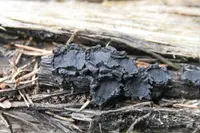
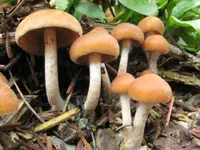
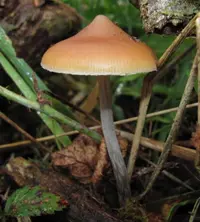
milky conecap Care (Conocybe apala)

Also known as: white dunce cap
milky conecap

About milky conecap

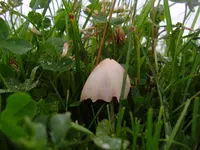
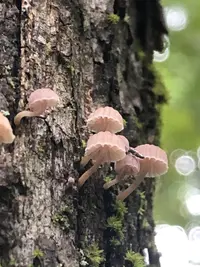
The milky conecap, Conocybe apala, is a small, delicate lawn mushroom rather than a true ornamental plant. It appears briefly after rain, with thin stems and pale, conical caps that often turn whitish as they age.

This species commonly pops up in nutrient-rich lawns, pastures, and grassy areas across temperate regions, especially in short, well-watered turf. It grows fast and disappears quickly, which makes it unreliable and impractical as a cultivated species.

Because of its fragile structure and fleeting fruiting, it is considered difficult and unnecessary to manage intentionally, and guidance on how to care for milky conecap is limited. It typically favors moist, well-drained soil rich in organic matter and moderate light levels in lawns or open ground.

Main Plant Requirements

Care Difficulty

Moderate Care

Light Preference

Partial Shade

Water Requirements

Keep Soil Moist

Temperature Preference

Cool Climate

Hardiness Zone

Unknown

Soil Texture

Loamy, Silty, Organic-rich

Soil pH

Slightly acidic (6.5–7.0)

Soil Drainage

Moist but well-drained

Fertilization

Minimal (feed rarely)

Get Personalized Care Plan

Scan your plant to receive care tips personalized for your specific plant

Available on iOS and Android

How to Care for the milky conecap

This delicate lawn fungus prefers gentle, indirect sunlight and forms quickly after mild, moist conditions.

  • Provide bright, indirect light or light dappled shade; 2–4 hours of morning sun with afternoon shade helps prevent caps from drying and collapsing.
  • Allow partial shade from trees, fences, or buildings; milky conecap often appears where grass receives filtered light rather than harsh, all-day exposure.
  • In summer, strong midday sun can desiccate fruiting bodies within hours, while deep shade can reduce fruiting; shifting spring and fall light often triggers short flushes after rain.

This short-lived mushroom fruits best in moist, not waterlogged, lawn or pasture soils.

  • Aim for consistently moist soil in the upper 2–5 cm after rainfall or irrigation; it commonly appears 12–48 hours after a soaking rain event.
  • Ensure good drainage; soggy, compacted ground with standing water reduces healthy mycelium growth and can cause patches of decay rather than firm fruiting clusters.
  • In warm weather, drying, cracked soil indicates too little moisture for Conocybe apala to fruit, while a sour smell, slimy thatch, or algae growth signals chronic overwatering of the area.

This species fruits best in mild, moist weather and collapses quickly in extremes.

  • Optimal fruiting usually occurs around 60–75°F (16–24°C), especially when mild temperatures follow rain or lawn irrigation.
  • The fungus can tolerate short dips near 40°F (4°C) in cool seasons but fruiting slows or stops; hard frost around 32°F (0°C) kills exposed caps but not necessarily the underlying mycelium.
  • Sustained heat above 85°F (29°C), especially with direct sun and drying winds, causes caps to shrivel within hours and limits new fruiting until cooler, wetter conditions return.

This delicate mushroom prefers fairly moist air but usually tolerates typical outdoor humidity.

  • Aim for ambient humidity around 50–70% in shaded, grassy areas where it naturally appears.
  • It tolerates short dry spells, but prolonged hot, dry wind can cause milky conecap caps to shrivel quickly.
  • Signs of low humidity stress include rapid cap collapse and cracking, so mist nearby grass lightly or water the surrounding ground, not the caps.

Conocybe apala fruits best in consistently moist, light, organic-rich ground.

  • Use a thin surface layer of fine, organic-rich material such as compost mixed with short grass clippings over a stable base soil.
  • Favor a loose, crumbly texture that drains freely but still holds surface moisture; avoid compacted or heavily trodden areas.
  • Slightly acidic to neutral soil (pH 6.0–7.0) is suitable for reliable fruiting.
  • Improve aeration and drainage by gently fork-loosening the top 5–10 cm and incorporating a small amount of coarse sand if water lingers.

This species is generally unsuitable for container growing because it prefers natural turf and soil conditions.

This delicate lawn mushroom does not need intentional fertilizing, as it feeds on decaying organic matter already present in turf or soil.

Pruning is not a standard practice for Conocybe apala because mushrooms are short‑lived fruiting bodies rather than pruned landscape plants.

Transplanting or repotting is not recommended, as this fungus naturally appears where the underlying mycelium finds suitable organic matter and moisture.

  • Container culture is rarely successful, so focus on site conditions in lawns or beds rather than moving colonies.
  • If fruiting appears in unwanted spots, gently rake or mow the caps; this only removes visible mushrooms, not the mycelium.
  • Adjust irrigation and reduce thatch or excess organic debris if frequent fruiting is undesirable.
  • Avoid digging or dividing turf solely to shift colonies, since disturbance rarely eliminates the fungus and can stress grass roots.

Intentional propagation of Conocybe apala is uncommon, as it spreads itself efficiently via airborne spores and soil movement.

No specific winter care is required, since this ephemeral fungus appears in warm, moist periods and disappears naturally when conditions change.

Care Tips

Spore Management

Collect caps just before they collapse and place them on foil or paper if spore printing is desired, otherwise promptly remove spent mushrooms to reduce uncontrolled self-seeding and keep the lawn or bed visually clean.

Targeted Lawn Mowing

If fruiting in turf is unwanted, mow the lawn shortly after the caps appear and collect clippings, which removes most mushrooms before they release spores and gradually reduces visible flushes over time.

Moisture Pattern Control

Adjust irrigation so that surface moisture is more even and shallow, avoiding frequent light watering that favors this species and instead using deeper, less frequent watering to make conditions less suitable for repeated mushroom flushes.

Organic Debris Reduction

Dethatch turf, rake out decaying mulch, and remove buried wood or heavy root remains where possible, as reducing easily decomposed organic material directly limits the food source and intensity of fruiting.

Safe Handling Routine

Wear gloves when picking and dispose of mushrooms in sealed bags in household waste, then wash hands, as this reduces accidental contact or ingestion risks for children and pets when caring for milky conecap in home lawns or beds.

Common Pests and Diseases

Parasitic fungi

This disease appears when other saprophytic or parasitic fungi colonize the same lawn or soil patch, competing for the organic material that supports the milky conecap colony. Symptoms include distorted, aborted, or patchy fruiting where caps stay very small or fail to open normally.

Solution

Remove heavy mats of other mushrooms and decaying thatch, and lightly rake or aerate the area so moisture and air move more evenly through the soil. Avoid overfertilizing with high-nitrogen products and keep irrigation moderate so the lawn does not stay saturated, which limits aggressive competitor fungi and supports more balanced Conocybe apala care instructions.

Fungal mycelium desiccation

This disorder occurs when the underlying fungal network (mycelium) dries out after strong sun, heat, or wind, causing fruiting bodies to collapse and disappear within hours. Symptoms include fragile, quickly shriveling caps that turn pale and brittle soon after emergence.

Solution

Maintain more even soil moisture by watering lawns or mulch beds early in the morning so they stay slightly moist but not soggy during the day. Leaving a thin mulch layer or slightly longer grass height helps shade the soil surface, reducing rapid drying and extending the fruiting window of milky conecap colonies.

Soil chemical burn

This injury results from concentrated lawn chemicals such as fresh herbicides, fungicides, or high-salt fertilizers coming into direct contact with the mycelium zone. Symptoms include sudden disappearance of mushrooms in treated strips or patches and sometimes bleached or dead grass in the same area.

Solution

Use lawn chemicals at labeled rates only and avoid spot-spraying directly where mushrooms are emerging. If damage occurs, water the area deeply several times over a week to leach excess salts and chemicals downward, then allow the site to rest without further treatments so the fungal community can gradually re-establish.

Interesting Facts

Ephemeral morning fruiting

This fungus often appears after rain in the early morning and collapses or disappears by midday, so the fragile caps are easy to miss if not observed at the right time.

Pasture and lawn specialist

It shows a strong preference for short, regularly cut grass in lawns, parks, and pastures, where it helps decompose fine plant debris and recycle nutrients in intensively managed turf.

Delicate microscopic features

The species is identified by pale, thin-fleshed caps combined with smooth, ellipsoid spores and a distinct cone-like cap shape, which together separate it from many similar small brown mushrooms.

FAQs about milky conecap

This small lawn mushroom contains toxic compounds and should be treated as poisonous to both pets and humans. Ingestion may cause gastrointestinal distress or more serious symptoms. Avoid consumption and remove fruiting bodies from areas accessible to children and animals.

Grow Healthy Plants with Botan Care

Keep your plants happy and healthy with plant identification, disease detection, and easy care guidance.

Botan plant care app — identify plants on mobile

Explore More Plants