Conocybe aporos Care

Conocybe aporos

About Conocybe aporos

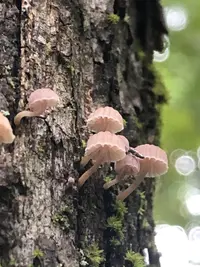
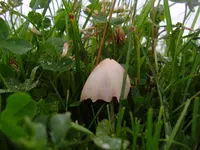
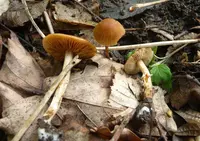
Conocybe aporos is a small, delicate mushroom-forming fungus, not a typical leafy houseplant. It produces thin stems with tiny, tan to light brown caps that often appear in clusters. These fruiting bodies are short-lived and can emerge quickly in moist, nutrient-rich substrates.

This species is usually found in grassy areas, lawns, and organic-rich soils in temperate regions. It thrives in consistently damp conditions and tends to appear after rain or heavy watering. Because it is a short-lived fungus, it is not commonly cultivated on purpose, and how to care for Conocybe aporos is rarely a focus in home gardening.

In gardens and lawns, it is generally a sign of organic matter breaking down in the soil. It does not usually affect surrounding plants directly.

Main Plant Requirements

Care Difficulty

Moderate Care

Light Preference

Partial Shade

Water Requirements

Keep Soil Moist

Temperature Preference

Warm Climate

Hardiness Zone

Unknown

Soil Texture

Loamy, Peaty, Organic-rich

Soil pH

Acidic (5.5–6.5), Slightly acidic (6.5–7.0)

Soil Drainage

Moist but well-drained

Fertilization

Minimal (feed rarely)

Get Personalized Care Plan

Scan your plant to receive care tips personalized for your specific plant

Available on iOS and Android

How to Care for the Conocybe aporos

This small lawn and soil fungus prefers soft, indirect light rather than strong, direct sun.

  • Provide bright shade or light dappled sun, such as under turfgrass or low vegetation, with no more than 1–2 hours of weak morning sun and no harsh afternoon sun.
  • Allow partial shade to full shade; fruiting bodies often appear where light is filtered through grass, mulch, or low groundcovers rather than exposed bare soil.
  • Excessive sun and drying wind quickly desiccate caps, while very dense shade under thick thatch reduces fruiting of Conocybe aporos.

Moist but not waterlogged soil supports reliable fruiting of this fungus.

  • Maintain evenly moist soil, letting only the top 1–2 cm begin to dry between soakings in garden beds or lawns rather than allowing deep, repeated drying.
  • Ensure rapid drainage; pooling water or a sour, swampy smell indicates excess moisture that can reduce fungal vigor and encourage anaerobic conditions.
  • If caps become small, brittle, and disappear within hours, the substrate is likely too dry; persistent slimy patches suggest chronic overwatering and poor aeration.

This species fruits best in mild, cool to warm conditions rather than temperature extremes.

  • Aim for active growth and fruiting in the range of 55–75°F (13–24°C), which matches typical cool, moist lawn or garden conditions in spring and fall.
  • It tolerates short dips to about 40°F (4°C) in soil without lasting damage but visible fruiting usually slows or stops near this lower range.
  • Sustained heat above 85°F (29°C), especially with dry soil, quickly halts fruiting; frost and hard freezes kill exposed fruiting bodies, although underlying mycelium may survive.

This small saprophytic fungus tolerates a broad humidity range but fruits best in consistently moist air.

  • Aim for 60–80% humidity in the fruiting area to keep caps from drying and cracking.
  • Dry air causes rapid cap shriveling and brittle, pale stems, often shortening the fruiting window.
  • Raise humidity with a clear, ventilated tub, frequent fine misting, or an open tray of water near the substrate.

Conocybe aporos develops on loose, organic-rich substrates rather than dense mineral garden soil.

  • Use a fine, well-aerated mix of composted organic matter and shredded straw or coco coir that stays evenly moist but not waterlogged.
  • Ensure rapid drainage by avoiding heavy clay and adding 20–40% coarse material such as perlite or vermiculite to keep pore spaces open.
  • Aim for slightly acidic to neutral conditions, roughly pH 6.0–7.0, which favor decomposer fungi and reduce nutrient lockout.
  • Avoid compacted, chemically treated, or strongly alkaline substrates, which restrict mycelial spread and reduce fruiting of Conocybe aporos.

This species can be grown in shallow containers that allow stable, evenly moist substrate for fruiting.

  • Select a wide, shallow tub so the substrate layer stays 5–10 cm deep, which supports lateral mycelium spread and dense fruiting clusters.
  • Drill multiple small side and bottom holes, then place the container inside a larger tray to manage drainage while maintaining ambient humidity.
  • Choose opaque or tinted plastic rather than clear glass to limit light on the substrate surface and reduce overheating near windows or heat sources.

This small saprotrophic fungus generally needs no deliberate fertilization when grown in organic, undisturbed substrates.

Pruning is not a standard practice for this short-lived mushroom, which naturally completes its life cycle without structural management.

For Conocybe aporos, management focuses on substrate renewal rather than traditional repotting or transplanting.

  • Consider moving cultures only when the substrate is exhausted, contaminated, or too compact for good gas exchange.
  • Choose mild conditions, around 60–70°F with stable moisture, when transferring colonized substrate to a fresh container.
  • Handle mycelium gently, transferring blocks or sections intact instead of breaking them apart to reduce stress.
  • Use clean tools and containers, and keep the new substrate similar in composition and moisture level to the old one.

Propagation of this fungus is typically done through controlled spore work or transfer of colonized substrate rather than casual home methods.

This delicate mushroom is not suited to freezing conditions and is best maintained in environments that stay above frost level.

  • Keep outdoor or greenhouse cultures where temperatures remain above 40°F to avoid mycelium damage.
  • For containers, move trays or boxes into a cool indoor space, basement, or unheated garage before hard frost.
  • Maintain slightly moist, not waterlogged, substrate in winter to prevent desiccation while limiting rot.
  • Avoid rapid temperature swings by insulating culture containers with cardboard or placing them away from cold drafts.

Care Tips

Substrate hygiene

Remove spent fruiting bodies and any visibly contaminated substrate promptly to reduce mold competition and maintain a cleaner micro-environment when growing Conocybe aporos.

Controlled air exchange

Provide very gentle, indirect air movement near the culture, such as a fan on a low setting in the room and not blowing directly on the tray, to limit CO₂ buildup while preventing the delicate caps from drying out or collapsing.

Targeted surface misting

Mist the air above the tray rather than spraying the substrate directly, allowing fine droplets to settle and maintain surface humidity without saturating the mycelium and encouraging bacterial issues.

Sterile handling routine

Disinfect tools, containers, and your hands before working with the substrate or mycelium, and minimize the time lids or covers are open to limit contamination from airborne spores and dust.

Microclimate monitoring

Use a small digital hygrometer-thermometer placed at substrate level to track the actual microclimate around the trays and adjust ventilation or misting frequency based on real readings instead of guesswork.

Common Pests and Diseases

Fungus gnat larvae

This pest is commonly present in very damp, organic-rich substrates where Conocybe aporos fruits, and larvae may feed on fine roots or mycelium. Symptoms include slow decline of nearby container plants and small black adult gnats flying over the substrate surface.

Solution

Reduce excess moisture and allow the top layer of substrate or potting mix to dry slightly between waterings, then use yellow sticky traps to capture adults and a biological control such as Bacillus thuringiensis israelensis (BT-i) in the water to target larvae. Removing decaying plant material and improving drainage also lowers organic food sources for the larvae and supports longer-term control when caring for Conocybe aporos.

Mite contamination

These insects, often soil or grain mites, can colonize very moist fungal cultures and fruiting trays, feeding on spores and mycelium. Symptoms include fine moving specks on the surface and reduced or distorted fruiting bodies.

Solution

Physically remove heavily infested substrate portions and reduce overall humidity and standing moisture without letting the culture fully dry. Use clean tools, isolate affected trays, and if possible restart from clean spore or culture material while maintaining better hygiene and avoiding contact with old infested media.

Green mold (Trichoderma)

This disease is caused by opportunistic Trichoderma fungi that rapidly colonize nutrient-rich, moist substrates used for mushroom production. Symptoms include bright white, then green powdery patches that overgrow the intended mycelium and suppress normal fruiting.

Solution

Remove and discard contaminated substrate promptly, including a margin of apparently healthy material, to prevent further spread. Improve hygiene by sterilizing or thoroughly cleaning containers and tools, avoid unsterilized compost or manure, and keep new substrates covered or filtered during colonization to limit spore entry.

Bacterial blotch

This disease develops in overly wet, poorly ventilated mushroom setups, leading to slimy, discolored spots on caps and distorted fruiting bodies. Symptoms include yellow to brown, greasy lesions and an unpleasant odor on affected mushrooms.

Solution

Increase air exchange and reduce direct water on caps by misting the air or substrate rather than the fruiting bodies. Remove and discard affected mushrooms, clean surfaces, and avoid overcrowding trays so that moisture can evaporate more evenly and surfaces dry between humidification cycles.

Interesting Facts

Microscopic identification features

This species is identified by its smooth, non-ornamented spores and distinctive cheilocystidia (sterile cells on the gill edge), which are essential characters used by mycologists to separate it from closely related Conocybe species.

Specialized habitat preference

It is typically found on nutrient-rich, disturbed soils such as garden beds, lawns, and compost-enriched substrates, reflecting its role as a saprotroph that decomposes organic matter in human-affected environments.

Ephemeral fruiting bodies

The slender, brownish caps and stems are short-lived and can appear and collapse within a very brief period, especially under warm, moist conditions, which makes field observation and accurate recording of this species time-sensitive.

FAQs about Conocybe aporos

This species is considered inedible and potentially poisonous. Identification within this genus is difficult, and some related species contain dangerous toxins. It should never be eaten or used in food, even in small amounts.

Grow Healthy Plants with Botan Care

Keep your plants happy and healthy with plant identification, disease detection, and easy care guidance.

Botan plant care app — identify plants on mobile

Explore More Plants