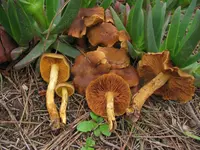
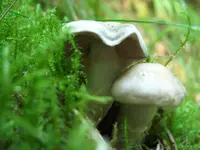
deadly webcap Care (Cortinarius rubellus)

deadly webcap

About deadly webcap

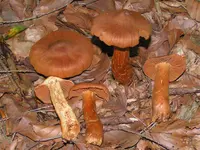
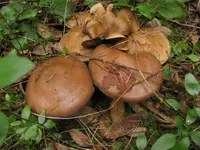
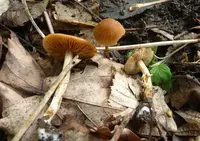
Deadly webcap, Cortinarius rubellus, is not a plant but a forest mushroom belonging to the large Cortinarius genus. It forms mycorrhizal partnerships with tree roots, helping trees absorb nutrients while taking sugars in return. Caps are usually orange‑ to rust‑brown with a fibrous surface, and the gills are covered by a web‑like veil in young specimens. It typically appears on acidic, mossy soils in coniferous forests, especially with spruce and pine, in cooler temperate regions. This species is extremely dangerous, so practical guides on how to care for deadly webcap focus on avoidance rather than cultivation. It prefers shaded, moist woodland conditions and does not adapt to typical garden or indoor environments.


Main Plant Requirements

Care Difficulty

Hard Care

Light Preference

Partial Shade

Water Requirements

Keep Soil Moist

Temperature Preference

Cool Climate

Hardiness Zone

Unknown

Soil Texture

Loamy, Sandy, Organic-rich

Soil pH

Acidic (5.5–6.5)

Soil Drainage

Moist but well-drained

Fertilization

Minimal (feed rarely)

Get Personalized Care Plan

Scan your plant to receive care tips personalized for your specific plant

Available on iOS and Android

How to Care for the deadly webcap

Cortinarius rubellus is a forest-dwelling mushroom that depends on stable, shaded light conditions under trees.

  • Provide bright full shade or heavily filtered woodland light, typically under conifers or mixed forest canopy, avoiding direct midday and afternoon sun.
  • Allow brief early-morning sun only in cool, moist sites; aim for dappled exposure equivalent to 1–2 hours of weak sun filtered through foliage.
  • Protect deadly webcap from strong, prolonged sun which dries the forest floor; loss of leaf litter cover and intense summer light can reduce fruiting drastically.

This mycorrhizal mushroom relies on consistently moist, not waterlogged, forest soil conditions.

  • Aim for evenly moist soil with no standing water; in natural sites, the upper 2–3 cm should feel damp but not soggy when checked by hand.
  • During dry spells, observe host trees and leaf litter; crisp, curling leaves and dusty soil indicate the need for supplemental moisture around the rooting zone.
  • Avoid overwatering poorly drained, compacted ground; sour smells, slimy litter, and persistent puddles signal anaerobic conditions that suppress Cortinarius rubellus.

This species prefers cool, stable forest temperatures and declines in extreme heat or prolonged hard frost.

  • Optimal fruiting commonly occurs around 50–60°F (10–16°C), with mycelium growth possible in a wider cool range through much of the year.
  • The fungus tolerates brief drops near 28–32°F (-2–0°C) when insulated by leaf litter, though repeated freeze–thaw cycles can damage fruiting bodies.
  • Sustained heat above 77°F (25°C), especially with dry air and exposed soil, reduces activity; deep shade, mulch, and canopy cover help buffer temperature swings.

Humidity management is not a primary tool for reducing risk from Cortinarius rubellus, which is a highly toxic woodland fungus rather than a typical houseplant.

This mycorrhizal woodland fungus relies on natural forest soil conditions, so active potting mixes or amendments are not appropriate for deliberate cultivation.

  • In nature, Cortinarius rubellus associates with tree roots in cool, moist, well-aerated forest soils rich in decaying leaf litter and conifer needles.
  • These soils are typically loose, humus-rich, and moderately acidic, usually around pH 4.5–6.0, with abundant organic matter and fine roots.
  • Water drains freely through the upper layers yet the profile stays evenly moist, never compacted, waterlogged, or artificially fertilized.
  • Deliberate modification, enrichment, or recreation of these conditions in gardens or containers is strongly discouraged due to extreme toxicity risks associated with caring for deadly webcap.

This highly poisonous woodland mushroom is not suitable for container growing or intentional cultivation.

Cortinarius rubellus is a wild mycorrhizal fungus that should not be fertilized in home or garden settings.

Pruning is not appropriate for Cortinarius rubellus because it is a wild, highly poisonous mushroom that should not be managed as a garden plant.

Transplanting or moving Cortinarius rubellus is strongly discouraged due to its toxicity and ecological role as a wild forest fungus.

  • Avoid growing this species in containers or home beds; it naturally associates with tree roots in undisturbed woodland soils.
  • Do not attempt to move clumps or forest soil containing this fungus into gardens or yards.
  • If encountered where people or pets frequent, focus on education and supervised removal of visible fruiting bodies, not transplanting.
  • Wear gloves and wash hands after handling any suspected specimens to reduce accidental exposure.

Deliberate propagation of Cortinarius rubellus is unsafe and not recommended because this deadly webcap is highly toxic and belongs in unmanaged natural habitats.

Cortinarius rubellus is a hardy forest fungus that overwinters naturally without human intervention and needs no intentional winter care.

Care Tips

Spore source selection

Use spore prints or tissue from wild specimens only when legally permitted and collected from confirmed Cortinarius rubellus populations, since accurate identification by an expert mycologist is essential before attempting any form of cultivation.

Host tree pairing

Establish the fungus only with compatible coniferous hosts such as spruce or pine seedlings, placing them into naturally acidic, undisturbed forest soil so the mycorrhizal partnership can form and persist over several years.

Minimal soil disturbance

Mark the inoculated area and avoid digging, raking, or compacting the soil around the host trees, because stable, aerated forest litter and fine roots are critical for long-term mycelium health.

Controlled access and labeling

Clearly label and fence or flag the area where you attempt growing deadly webcap to prevent accidental harvesting or contact by children and pets, as this species is highly toxic if ingested.

Ethical monitoring only

Monitor fruiting bodies visually and record dates, weather, and host condition without harvesting or moving the mushrooms, since leaving them intact supports ongoing spore dispersal and ecosystem function.

Common Pests and Diseases

Mycophagous insects

These insects, such as fungus gnats and springtails, feed on developing fruiting bodies and mycelium in very damp, organic-rich substrates. Symptoms include tunneled caps, scarred stipes, and deformed or prematurely collapsing mushrooms.

Solution

Limit overly wet, organic debris where mushrooms form, maintain moderate rather than saturated soil moisture, and remove and destroy infested fruiting bodies promptly. Where necessary in cultivated or observational settings, use fine mesh barriers over fruiting areas and introduce yellow sticky traps nearby to reduce adult gnat populations without disturbing the surrounding forest soil ecology.

Slug and snail grazing

These mollusks consume soft fungal tissue, especially young caps and gills, often leaving ragged edges, holes, and slime trails on and around fruiting bodies. This damage can make identification difficult and may accelerate decay.

Solution

Hand-remove slugs and snails during cool, damp periods and avoid leaving boards, pots, or other shelters that encourage them right next to fruiting sites. In managed areas, use physical barriers such as copper tape around small observation plots and, if needed, set out iron phosphate bait away from children, pets, and non-target wildlife.

Parasitic Hypomyces infection

This disease is caused by parasitic fungi such as Hypomyces species that colonize mushroom tissue, replacing the natural surface with a powdery or crusty coating and distorting the cap and gills. Symptoms include discoloration, loss of spore production, and a felt-like to granular layer over the fruiting body.

Solution

Promptly remove and discard any parasitized mushrooms, including nearby decaying pieces, to reduce local spore load. Avoid disturbing contaminated fruiting bodies in place, and if monitoring a population, mark affected spots and minimize traffic to prevent spreading infected debris through soil or footwear, which supports responsible Cortinarius rubellus care.

Interesting Facts

Delayed kidney toxicity

This mushroom contains orellanine, a toxin that can cause severe kidney damage days to weeks after ingestion, often long after initial mild symptoms such as thirst and nausea have faded.

Preference for conifer forests

The species typically forms mycorrhizal associations with conifer trees such as spruce and pine in nutrient-poor, acidic soils, helping trees access mineral nutrients while receiving sugars in return.

Easily confused with edibles

It resembles some edible webcaps and chanterelles in color and habitat, which has led to documented poisonings in Europe when foragers misidentified it.

Botan icon

Did you know?

Cortinarius rubellus has been implicated in several high-profile mass poisoning incidents in Europe, which led to changes in mushroom foraging education and stricter public health warnings about confusing toxic webcaps with edible species.

FAQs about deadly webcap

Yes. This species is among the most dangerous mushrooms known. It causes delayed kidney failure when ingested, often after a symptom-free period. Even small amounts can be lethal, so it must never be eaten or handled carelessly.

Grow Healthy Plants with Botan Care

Keep your plants happy and healthy with plant identification, disease detection, and easy care guidance.

Botan plant care app — identify plants on mobile

Explore More Plants