Brownflesh Bracket Care (Coriolopsis gallica)

Brownflesh Bracket

About Brownflesh Bracket

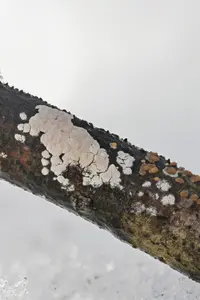
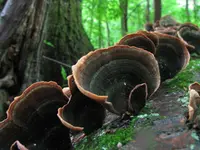
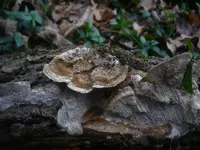
Brownflesh bracket, Coriolopsis gallica, is a wood-decaying bracket fungus rather than a typical leafy plant. It forms tough, semicircular caps on dead or dying hardwood, often overlapping in shelves. The upper surface is usually gray to brown, while the inner flesh is brown, giving the species its common name.

This fungus occurs widely in temperate regions, including parts of North America and Europe, wherever suitable fallen logs or stumps are present. It plays an important role in breaking down wood and recycling nutrients. Gardeners who want to care for Brownflesh Bracket mainly focus on providing stable, moist, shaded wood rather than soil-based conditions.

Main Plant Requirements

Care Difficulty

Moderate Care

Light Preference

Shade

Water Requirements

Keep Soil Moist

Temperature Preference

Cool Climate

Hardiness Zone

Unknown

Soil Texture

Loamy, Silty, Organic-rich

Soil pH

Acidic (5.5–6.5), Slightly acidic (6.5–7.0)

Soil Drainage

Moist but well-drained

Fertilization

Minimal (feed rarely)

Get Personalized Care Plan

Scan your plant to receive care tips personalized for your specific plant

Available on iOS and Android

How to Care for the Brownflesh Bracket

This bracket fungus prefers shaded woodland conditions with only brief, indirect sun exposure.

  • Allow dappled or filtered light for most of the day, such as beneath trees, with no more than 1–2 hours of weak morning sun and no direct afternoon sun.
  • Brownflesh Bracket tolerates deep shade, but fruiting bodies form best where there is soft, indirect light rather than full, open sun.
  • Strong midday or afternoon sun can dry and crack fruiting bodies; maintain protection year-round, especially in summer when canopy cover is thin or recently reduced.

This wood-decay fungus relies on moisture in its host wood rather than direct watering.

  • Focus on habitat moisture: host logs or stumps should stay evenly damp but not waterlogged, with the surrounding top 2–5 cm of soil slightly moist, especially in dry periods.
  • Coriolopsis gallica fruits more reliably where humidity is moderate to high and wood does not fully dry out between rains, yet standing water is avoided.
  • Signs of excess moisture include slimy surfaces and foul odor on the wood, while shrinking, brittle brackets indicate prolonged dryness and the need for improved ambient moisture.

This species thrives in mild to cool conditions typical of temperate woodlands.

  • Optimal growth and fruiting occur around 50–70°F (10–21°C), where wood stays moist but not frozen or overheated.
  • The fungus usually tolerates down to about 25–30°F (-4 to -1°C) in dormant periods, but repeated hard freezes can damage exposed fruiting bodies.
  • Heat above 80°F (27°C), especially combined with dry air, can halt development and desiccate brackets, so shaded, moist microclimates are important in summer.

Humidity plays a minor role for Coriolopsis gallica, which naturally grows on dead wood outdoors.

Coriolopsis gallica is a wood-decaying bracket fungus, so think in terms of substrate rather than traditional garden soil.

  • Use well-rotted hardwood logs or dense hardwood chunks rich in lignin, avoiding conifers treated wood or painted timber.
  • Ensure the log or substrate remains moist but not waterlogged, with water able to drain or drip away freely after rainfall or soaking.
  • Maintain slightly acidic to neutral conditions around pH 5.5–7 by avoiding lime-treated materials and highly alkaline run-off.
  • To improve aeration, avoid burying the entire log in soil and keep at least part of it exposed to free air circulation.

This species is not well suited to conventional container growing, as it requires colonizable wood rather than potting media.

Coriolopsis gallica is a wood-decay fungus that does not need deliberate fertilization in normal landscape or woodland settings.

Pruning is generally unnecessary for Coriolopsis gallica because it is a bracket fungus that naturally senesces and renews on dead wood.

This species is not managed through typical repotting; instead, it colonizes dead or decaying wood in situ.

  • Transplant only if moving an inoculated log or stump, keeping the colonized wood intact and undisturbed.
  • Carry out any relocation during cool, moist weather in spring or fall to minimize desiccation of the fungal tissue.
  • Avoid cutting, splitting, or scraping the substrate, which can damage the mycelium and slow regrowth.
  • Re-site the wood on soil with natural leaf litter, maintaining similar shade and moisture levels to reduce stress.

Propagation of this bracket fungus is usually left to natural spore dispersal and is not a routine horticultural activity.

Brownflesh Bracket is cold hardy in temperate climates and requires no special winter care when growing on outdoor dead wood.

Care Tips

Select proper substrate

Grow Coriolopsis gallica on freshly cut or recently dead hardwood logs (oak, beech, maple) that are still moist inside, avoiding softwoods and timber treated with preservatives or fungicides.

Control log moisture

Keep inoculated logs shaded and off bare soil on bricks or wooden slats, watering or soaking only when the wood starts to feel noticeably lighter or dry at the ends so the fungus does not stall or die back.

Optimize inoculation points

Drill evenly spaced holes 10–15 cm apart in a staggered pattern around the log and seal each plug or grain spawn point with food‑grade wax to speed colonization and reduce contamination by competing fungi.

Use seasonal timing

Inoculate logs in cool, moist periods (early spring or fall) and protect them from hot, drying winds or direct sun, since stable, mild conditions greatly improve colonization success when growing Brownflesh Bracket.

Monitor colonization signs

Check under loose bark and at cut ends every few months for white mycelial growth and early bracket formation, and remove heavily contaminated logs with other obvious fungi to prevent competition and misidentification when caring for Brownflesh Bracket.

Common Pests and Diseases

Insect colonization

This pest issue involves bark- and wood-boring insects using the bracket as shelter or feeding on decaying wood beneath it. Symptoms include small exit holes, fine sawdust-like frass, and weakened or crumbling host wood around the fungus.

Solution

Remove and destroy heavily infested brackets and associated loose, decayed wood to reduce shelter for insects, and keep surrounding wood as dry and well-ventilated as possible. For valuable landscape trees or structural timbers, consult a certified arborist or structural pest professional to assess the extent of wood-borer activity and apply targeted treatments such as localized insecticidal injections or replacement of compromised wood.

Secondary mold overgrowth

This disease issue occurs when other opportunistic fungi or molds colonize the bracket surface, appearing as fuzzy, powdery, or slimy growths in white, green, or black patches. Symptoms include discoloration of the pore surface and a soft, waterlogged or decomposing texture in the fruiting body.

Solution

Improve airflow and reduce surface wetting by avoiding overhead irrigation or direct hosing of the brackets, and if possible remove heavily overgrown or collapsing fruiting bodies with clean tools and discard them away from the site. In shaded, stagnant corners, pruning nearby vegetation or slightly increasing light and air movement can help limit repeated mold colonization when growing Brownflesh Bracket on ornamental logs.

Bacterial soft decay

This disease problem arises when bacteria colonize older or mechanically damaged brackets, leading to localized soft, watery, or foul-smelling patches. Symptoms include darkened, mushy areas that quickly break down and may stain nearby wood.

Solution

Cut away and discard affected brackets as soon as soft, odorous tissue is noticed, using clean, disinfected tools, and keep the area around the fruiting bodies free of accumulated wet debris. Reduce prolonged surface moisture by ensuring good drainage and ventilation around logs or stumps, which limits repeated bacterial invasion into new brackets.

Slug and snail feeding

These pests graze on the soft outer edges and pore surface of young brackets, leaving irregular bite marks, slime trails, and sometimes hollowed sections along the margins. Symptoms include ragged edges and shallow pits that can disfigure developing fruiting bodies.

Solution

Hand-pick slugs and snails in the evening or early morning and remove nearby hiding places such as dense groundcover, boards, and stacked debris. If damage is persistent in garden or log-culture settings, use iron phosphate bait stations or copper barriers around the colonized logs to physically and chemically discourage slug access without harming the fungus–wood system.

Interesting Facts

Broad host range

This bracket fungus colonizes many hardwood species, including oak, beech, poplar, willow, and fruit trees, which makes it an important agent of white rot in diverse temperate forests and orchards.

White rot specialist

It produces enzymes that break down both lignin and cellulose in wood, leaving a fibrous, whitish residue and playing a key role in returning locked-up carbon and nutrients to forest soils.

Global but patchy

Originally described from Europe, it is now reported from North America, Asia, and parts of Africa, yet typically appears as scattered local populations rather than a uniformly common species across its range.

Botan icon

Did you know?

This species has been studied as a model white-rot fungus in biodegradation research, because its enzyme systems can help break down complex industrial pollutants such as some synthetic dyes and aromatic compounds under controlled laboratory conditions.

FAQs about Brownflesh Bracket

This bracket fungus spreads steadily along dead or weakened wood, forming overlapping shelves, but it is not usually considered aggressively invasive. It mainly colonizes already-compromised hardwoods and behaves as a saprobe, recycling dead material rather than overrunning healthy plants.

Grow Healthy Plants with Botan Care

Keep your plants happy and healthy with plant identification, disease detection, and easy care guidance.

Botan plant care app — identify plants on mobile

Explore More Plants