Orange Fan Care (Anthracophyllum archeri)

Orange Fan

About Orange Fan

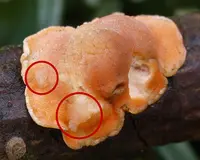
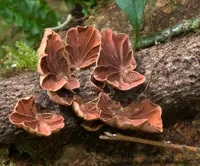
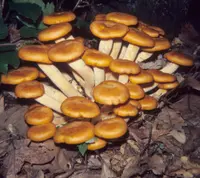
Orange fan, Anthracophyllum archeri, is a small wood-decaying fungus, not a leafy houseplant. It forms bright orange, fan-shaped caps pressed flat against fallen branches or logs. The caps often overlap in tiers, creating a vivid pattern on decaying wood in humid forests. It is most often recorded from tropical and subtropical regions. This species relies on consistently damp, shaded conditions and natural wood substrates, so it is not easy to maintain indoors. Enthusiasts who care for Orange Fan typically focus on replicating its natural habitat in specialized terraria or fungi displays.

Main Plant Requirements

Care Difficulty

Hard Care

Light Preference

Shade

Water Requirements

Keep Soil Moist

Temperature Preference

Tropical / Frost Sensitive

Hardiness Zone

Unknown

Soil Texture

Organic-rich, Loamy

Soil pH

Acidic (5.5–6.5)

Soil Drainage

Moist but well-drained

Fertilization

Minimal (feed rarely)

Get Personalized Care Plan

Scan your plant to receive care tips personalized for your specific plant

Available on iOS and Android

How to Care for the Orange Fan

This species thrives in bright forest-like light with some protection from intense sun.

  • Provide dappled or filtered light for 6–8 hours daily, such as beneath open tree canopy or shade cloth that softens direct rays.
  • Tolerates light morning sun but should be shielded from strong midday and afternoon sun, which can scorch the thin Orange Fan fruiting bodies and dry the substrate.
  • In summer, increase shade during heat waves; in cooler seasons, allow slightly more open light while still avoiding harsh, direct exposure.

Moist, well-drained conditions are essential for stable development of this fungus on its woody host.

  • Aim for consistently damp but not waterlogged wood or substrate; allow the surface to feel just barely dry before re-moistening, rather than following a fixed schedule.
  • Ensure excellent drainage so excess water can run off; standing water encourages rot, mold growth, and collapse of the delicate fan-shaped structures.
  • Reduce frequency of soaking during cooler months when evaporation slows, and watch for shriveling or brittleness as a sign of underwatering, versus slimy, darkening tissue as a sign of overwatering.

This species prefers mild, stable temperatures and reacts poorly to frost and extreme heat.

  • Ideal growth occurs around 60–77°F (16–25°C), conditions similar to sheltered forest understory, with moderate humidity and limited temperature swings.
  • Avoid temperatures below 40°F (4°C); repeated chills near this level or brief frosts can damage or halt development of fruiting bodies on the host wood.
  • During hot weather above 86°F (30°C), provide more shade, airflow, and moisture to the substrate to prevent drying and heat stress on Anthracophyllum archeri structures.

This fungus prefers consistently moist, high-humidity conditions around 70–90% for stable growth.

  • Tolerates brief dips to 50–60% humidity, but prolonged dry air slows development and can cause caps to dry and curl at the edges.
  • Watch for shriveling, dull or cracked cap surfaces, and reduced fruiting as signs of humidity stress.
  • Increase humidity with frequent fine misting, damp leaf litter, and by maintaining moist but not waterlogged substrate around Orange Fan.

Anthracophyllum archeri requires a moist, airy, wood-based substrate rather than typical potting soil.

  • Use a loose mix of fine bark, well-rotted wood pieces, and leaf litter to mimic decaying forest wood, avoiding dense loam or clay textures.
  • Ensure very fast drainage so the substrate stays moist but never stagnant; excess free water around the mycelium encourages rot and competing molds.
  • Keep pH slightly acidic, roughly 5.0–6.0, by using oak or other non-calcareous leaf litter and avoiding lime-containing materials.
  • Improve aeration by mixing in coarse bark fines or wood chips and never compacting the substrate surface, which restricts oxygen movement.

This species is not naturally suited to decorative container growing, but it can be cultured in controlled containers for observation.

  • Select a shallow, wide container that allows a broad layer of woody substrate, supporting lateral mycelium spread rather than deep rooting.
  • Provide small side vents or a loose-fitting lid to balance high humidity with fresh air exchange, limiting bacterial and mold buildup.
  • Raise the container slightly on supports so drainage holes do not sit flat on surfaces, allowing continuous airflow and complete runoff.

This fungus grows on woody substrates and generally does not need additional fertilization under natural conditions.

Anthracophyllum archeri requires no true pruning, but occasional cleanup keeps host display tidy in cultivated settings.

  • Perform any trimming in dry weather to limit fungal spread on nearby plants.
  • Remove only obviously dead, decayed, or unsafe host wood using clean, sharp tools.
  • Avoid cutting healthy fruiting bodies; they are part of the fungus life cycle and spore production.

This species is not grown in pots and is seldom transplanted, since it develops within decaying wood rather than typical soil.

  • Select well-decayed, fungally active hardwood if attempting to move colonized material.
  • Transplant only during mild, stable weather to reduce additional stress on the host log or branch.
  • Handle the colonized wood gently, avoiding shock, splitting, or excessive drying of the substrate.
  • Place the wood in a shaded, humid site and keep it off saturated ground to limit rot imbalance.

Propagation is usually left to natural spore dispersal, and intentional multiplication of this fungus is uncommon outside specialist work.

In most temperate climates, this wood-inhabiting fungus needs no specific winter care beyond stable habitat conditions.

  • Leave colonized wood in place; do not move or split it during freezing periods.
  • Maintain natural leaf litter or coarse mulch around the substrate to buffer moisture and temperature swings.
  • For display pieces in containers, move logs to a sheltered, unheated area to avoid rapid freeze–thaw cycles.

Care Tips

Mimic Host Bark

Mount the fungus on a piece of well-seasoned hardwood with rough bark, such as eucalypt or oak, to better support attachment and natural fan-shaped growth.

Shade-Grade Mounting

Tilt the mounted wood slightly downward so the caps shed water efficiently and are less likely to stay saturated and rot in high-humidity setups.

Airflow Management

Position a small, low-speed fan to keep gentle air moving across the mount, which reduces bacterial soft rot and helps maintain a stable microclimate when growing Orange Fan.

Targeted Misting Routine

Use a fine mister directed at the wood rather than directly at the caps, allowing the mycelium in the substrate to access moisture while keeping the fruiting bodies firmer and longer-lived.

Rotation For Even Form

Rotate the mounted specimen 90° every 1–2 weeks so that new fans develop more symmetrically and do not overextend toward a single light source, which can cause lopsided or weak attachment points.

Common Pests and Diseases

Wood-decay competition fungi

This disease involves other wood-decaying fungi colonizing the same fallen branches or logs, competing directly with Anthracophyllum archeri and gradually overrunning its fruiting area. Symptoms include patchy, reduced orange brackets and replacement by other fungal crusts or brackets on the same substrate.

Solution

Remove heavily colonized wood and, if cultivating, provide fresh, clean hardwood pieces for growing Anthracophyllum archeri rather than leaving it to compete on old, heavily inoculated logs. Maintain good airflow and avoid stacking damp wood in dense piles, which favors faster-growing competitor fungi.

Mold contamination

This disease is caused by fast-growing molds that cover the wood surface and young fruiting bodies with a dull gray, white, or green layer. Symptoms include smothered or deformed orange fans and a dusty or cottony surface on the substrate.

Solution

In cultivation, improve ventilation, reduce constant surface wetness, and remove obviously moldy wood sections to limit spore spread. Allow the substrate surface to dry slightly between waterings and avoid overhead misting directly onto forming fruiting bodies as part of Anthracophyllum archeri care.

Wood-boring beetles

These insects tunnel through the dead wood that Anthracophyllum archeri uses, causing unstable, excessively dry, or crumbling substrate. This pest indirectly reduces fruiting, as the fungus loses continuous wood structure and moisture balance.

Solution

Inspect logs and branches and discard pieces that show extensive tunneling dust, exit holes, or hollow sections. For cultivation, use freshly cut, beetle-free hardwood and store wood off the ground and under cover so it is less attractive to egg-laying beetles.

Slugs and snails

These pests graze on the soft, exposed orange brackets, especially during wet conditions, leaving ragged edges and missing sections. This pest pressure is higher in shaded, moist garden or greenhouse setups.

Solution

Hand-pick slugs and snails during the evening or early morning and remove nearby hiding places such as dense ground cover, boards, or debris. If needed, use physical barriers like copper tape around cultivation trays or apply iron-phosphate slug bait around, not on, the fruiting area to limit damage.

Interesting Facts

Bright orange fan caps

This fungus forms thin, fan-shaped caps that are vivid orange on the upper surface and typically only a few millimeters thick, giving colonies a striking, almost painted appearance on dark wood.

Strong wood decomposer

It grows as a saprotroph on decaying wood, breaking down lignin and cellulose and helping to recycle nutrients in wet forest ecosystems in eastern Australia and nearby regions.

Distinctive gill pattern

The gills radiate out from a small attachment point to the wood, creating a finely pleated fan pattern that helps maximize spore-producing surface area on a very small fruiting body.

FAQs about Orange Fan

This fungus develops relatively quickly once conditions are right, often forming visible fan-shaped fruiting bodies within days. Growth rate depends on moisture, shade, and decaying wood quality rather than on traditional plant growth factors like fertilizer.

Grow Healthy Plants with Botan Care

Keep your plants happy and healthy with plant identification, disease detection, and easy care guidance.

Botan plant care app — identify plants on mobile

Explore More Plants