Acrospermum compressum Care

Acrospermum compressum

About Acrospermum compressum

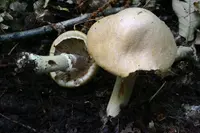
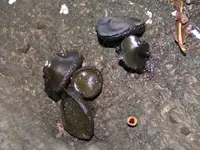
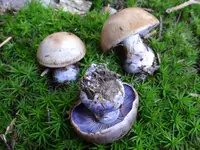
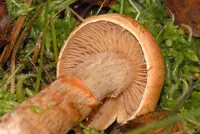
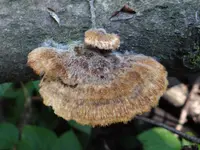
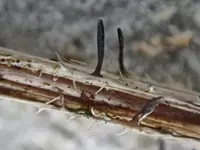
Acrospermum compressum is not a typical leafy houseplant but a small, dark, club-shaped fungus that develops on dead or decaying plant material. It forms tight, often clustered structures that look like compressed spikes on twigs or stems.

This species is found mainly in temperate regions, especially in Europe, where it helps break down woody debris in forests and hedgerows. It is rarely cultivated intentionally, so information on how to care for Acrospermum compressum in home settings is limited.

In general, it favors cool, humid conditions and stable moisture on natural wood substrates rather than garden soil, which makes deliberate cultivation challenging for most plant owners.

Main Plant Requirements

Care Difficulty

Moderate Care

Light Preference

Partial Shade

Water Requirements

Moderate Water

Temperature Preference

Warm Climate

Hardiness Zone

Unknown

Soil Texture

Loamy

Soil pH

Slightly acidic (6.5–7.0)

Soil Drainage

Well-drained

Fertilization

Minimal (feed rarely)

Get Personalized Care Plan

Scan your plant to receive care tips personalized for your specific plant

Available on iOS and Android

How to Care for the Acrospermum compressum

This species prefers bright, indirect light that mimics dappled woodland exposure.

  • Provide 3–5 hours of soft morning sun with light shade or filtered light for the rest of the day, avoiding harsh midday exposure.
  • Tolerates partial shade, but growth may slow if light drops below roughly 2–3 hours of brightness; watch for elongated, pale tissue as a low-light sign.
  • In summer, protect from strong afternoon sun to prevent desiccation, while in winter maximize exposure by reducing shading and debris cover around Acrospermum compressum habitats.

Moisture management should keep the substrate damp but never stagnant.

  • Irrigate only when the surface layer feels just barely dry, avoiding complete drying of the underlying substrate, which can cause shrinkage and cracking.
  • Aim for a porous, sharply draining mix so water passes through within seconds; persistent puddling or a sour smell indicates overwatering and poor aeration.
  • In cooler seasons, reduce frequency as evaporation slows, while in warmer periods monitor more often for dull, shriveling tissue edges that signal underwatering in Acrospermum compressum colonies.

Stable, cool to mild temperatures support reliable development for this species.

  • Target an active growth range of 55–70°F (13–21°C), where metabolic processes and tissue formation remain most consistent.
  • Tolerates brief drops to about 40°F (4°C), but repeated exposure near freezing increases stress and risk of tissue damage, especially in exposed sites.
  • Heat above 80°F (27°C), especially with low humidity, can cause rapid drying; provide shade and moisture buffering during hot spells while avoiding sudden temperature swings.

This species prefers moderately moist air but usually adapts to typical indoor humidity.

  • Aim for 40–60% humidity to reduce desiccation of fine tissues and keep growth steady.
  • In very dry air, look for crisping tips, dull or stunted growth, and quicker wilting after watering as signs of humidity stress.
  • Increase humidity with a nearby open tray of water and stones, grouped plants, or a room humidifier rather than misting leaves directly.

Provide a loose, fast-draining, organic-rich substrate to support stable growth and root health.

  • Use a mix of roughly 50% fine compost or leaf mold, 30% coarse sand, and 20% perlite to balance water retention and aeration.
  • Ensure the substrate stays crumbly and granular; avoid compacted or heavy clay soils that hold water around the roots.
  • Keep pH slightly acidic to neutral (pH 6.0–7.0), adjusting with lime or sulfur if local soil is far outside this range.
  • For containers, periodically loosen the upper 2–3 cm of mix to maintain pore spaces and prevent surface crusting that restricts gas exchange.

This fungus can be cultivated in containers when the substrate and pot conditions are carefully controlled.

  • Select a pot just wider than the colonized substrate block to limit unused wet areas that could favor competing molds.
  • Choose a rigid plastic or glazed pot rather than porous terracotta to slow surface drying and maintain more even moisture in the substrate.
  • Raise the container slightly on supports so any drainage water clears quickly from the base and does not wick back into the substrate.

This species is usually self-sufficient in natural or low-input settings, so added nutrients are rarely essential for Acrospermum compressum.

Pruning needs are minimal and mainly hygienic for Acrospermum compressum.

  • Plan any work for late winter or very early spring, before active growth starts.
  • Clip out dead, damaged, or crossing branches with clean, sharp hand pruners.
  • Limit cuts to light thinning so the natural form and growth habit remain intact.

Transplanting is infrequent and should be done carefully to avoid disturbing the root system.

  • Look for signs such as roots circling the planting hole or severe crowding that restricts growth.
  • Schedule transplanting for early spring or early fall, when temperatures are mild and moisture is more reliable.
  • Move plants only every few years, using a slightly larger, well-drained site with similar light conditions.
  • Water deeply after transplanting, then keep soil evenly moist to reduce root stress and improve establishment.

Propagation of Acrospermum compressum is possible but typically undertaken only by specialists or conservation projects.

This plant is generally cold hardy in suitable climates and needs little specific winter care.

  • Ensure soil drains well, since waterlogged roots in winter increase rot risk.
  • Apply a light mulch layer around the root zone, keeping it a few cm away from stems.
  • For container-grown plants in colder regions, shift pots to a sheltered, unheated but frost-sheltered location.

Care Tips

Secure bark substrate

Attach colonies firmly to rough, untreated hardwood or cork bark using biodegradable ties so the fungus can anchor securely and spread evenly along the surface.

Controlled moisture pulses

Instead of constant dampness, mist or briefly soak the mounted substrate, then allow it to drain fully so the mycelium receives moisture without remaining waterlogged.

Shield from direct spray

When watering nearby plants or cleaning, avoid direct hose or tap spray onto the colonies to prevent mechanical damage and spore loss.

Promote air circulation

Use a small fan on a low, indirect setting to keep air gently moving around the cultures, which limits mold competition and supports healthy development.

Quarantine new material

Hold any new wood, bark, or moss in a separate area for 2–3 weeks to monitor for pests or competing fungi before placing it close to established Acrospermum compressum growths.

Common Pests and Diseases

Sooty mold

This disease appears as dark, soot-like patches on the surface of the fruiting bodies and surrounding substrate, often following heavy colonization by sap-feeding insects or honeydew-producing organisms. Symptoms include reduced spore visibility and a dirty, blackened appearance on the stromata.

Solution

Improve air movement around the colony and reduce excess moisture on surfaces to limit fungal overgrowth, and gently brush or rinse off superficial mold where feasible without damaging the host substrate. If honeydew-producing insects are present on associated vegetation, control them to remove the underlying cause of sooty mold development as part of broader Acrospermum compressum care instructions.

Green algae overgrowth

This problem shows as a green, slimy or powdery film covering parts of the stromata and nearby bark or wood in persistently wet, bright conditions. This growth can compete for surface space and alter moisture levels around the fruiting bodies.

Solution

Reduce continuous surface wetness by improving drainage and exposure to moving air, and physically clean affected surfaces with a soft brush or gentle water stream where possible. Avoid nutrient-rich water splashes from nearby sources, which can fuel algal growth on the substrate supporting the fungus.

Bark-boring beetles

These insects tunnel into the dead or dying wood that often hosts the fungus, creating galleries that can fragment or detach the stromata. This pest indirectly affects the colony by destabilizing its substrate and altering moisture balance within the wood.

Solution

Remove and dispose of heavily infested wood to interrupt the beetle life cycle, and store any collected or cultivated host wood in cool, shaded, and well-ventilated conditions that are less favorable to beetle activity. Inspect new wood before use and avoid bringing in pieces that show fresh galleries, frass, or emergence holes.

Interesting Facts

Specialized ascomata structure

This species forms dark, club-like ascomata (spore-bearing structures) tightly pressed against decaying wood, a growth form that maximizes contact with its substrate and may help protect developing spores from desiccation and mechanical damage.

Wood-decay specialist

It is a saprobic fungus that lives on dead hardwood, contributing to the breakdown of lignocellulose, the tough structural material in wood, and helping return locked carbon and nutrients to forest soils.

Association with beech

Field records from Europe show it is most often found on fallen branches and dead trunks of beech and other broadleaf trees in humid, shaded forests, indicating a preference for cool, moist microhabitats on well-rotted wood.

FAQs about Acrospermum compressum

This species is generally slow-growing. In suitable conditions it expands gradually over several seasons rather than showing quick, noticeable size jumps. Patience is important when growing Acrospermum compressum, as rapid structural changes are not typical.

Grow Healthy Plants with Botan Care

Keep your plants happy and healthy with plant identification, disease detection, and easy care guidance.
Botan plant care app — identify plants on mobile

Explore More Plants