Wrinkled Cortinaria Care (Cortinarius caperatus)

Wrinkled Cortinaria

About Wrinkled Cortinaria

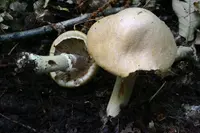
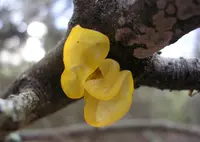
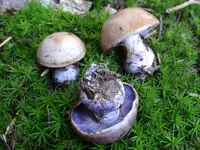
Wrinkled cortinaria, Cortinarius caperatus, is not a plant but a fleshy mushroom-forming fungus. It has a wrinkled, tan to ochre cap, a sturdy stem, and often forms loose groups on forest floors.

This species occurs mainly in cool, temperate regions, especially coniferous and mixed woodlands of Europe and parts of North America. It fruits in late summer to autumn, often in mossy or acidic soils.

It is considered a choice edible species, but safe identification is challenging for beginners because some Cortinarius species are dangerously toxic. Anyone wanting to care for Wrinkled Cortinaria in cultivation should know that it is mycorrhizal, forming partnerships with tree roots, which makes intentional growing difficult and unpredictable.


Main Plant Requirements

Care Difficulty

Hard Care

Light Preference

Partial Shade

Water Requirements

Regular Water

Temperature Preference

Cool Climate

Hardiness Zone

Unknown

Soil Texture

Loamy, Silty, Organic-rich

Soil pH

Acidic (5.5–6.5)

Soil Drainage

Moist but well-drained

Fertilization

Minimal (feed rarely)

Get Personalized Care Plan

Scan your plant to receive care tips personalized for your specific plant

Available on iOS and Android

How to Care for the Wrinkled Cortinaria

Cortinarius caperatus prefers cool, dappled forest light rather than full, open sun.

  • Provide bright, indirect light or partial shade, such as 2–4 hours of gentle morning sun filtered through trees, and avoid harsh midday sun that can dry the soil surface too quickly.
  • Choose sites under deciduous trees where summer foliage provides 50–80% shade, mimicking woodland conditions ideal for Wrinkled Cortinaria fruiting.
  • In hotter regions, prioritize east or north-facing woodland edges; strong afternoon sun can overheat the upper soil layer and reduce mushroom production.

This woodland fungus depends on consistently moist, not saturated, soil around its tree partners.

  • Aim for evenly moist soil to a depth of 5–8 cm; if this layer feels dry and powdery, recent rain or supplemental irrigation is needed for reliable Cortinarius caperatus fruiting.
  • Use well-drained, humus-rich soil that stays damp but never waterlogged; prolonged puddling, sour smell, or slimy debris suggest excess water and root-zone stress.
  • During hot, dry spells, increase watering frequency, while in cool, rainy seasons, rely mainly on natural rainfall and avoid adding water if the top 3–5 cm already feel moist.

This species fruits best in cool to mild conditions typical of temperate forests.

  • Optimal fruiting occurs around 50–65°F (10–18°C), especially in late summer to autumn when nights cool and soil retains steady moisture.
  • It tolerates down to about 32°F (0°C), but hard freezes below 28°F (-2°C) damage fruiting bodies and pause development until conditions warm again.
  • Sustained heat above 75–80°F (24–27°C) dries the upper soil, so shade, organic mulch, and steady moisture help moderate temperature swings through the season.

Humidity is not a meaningful cultivation lever for this wild ectomycorrhizal fungus, which depends mainly on suitable host trees and soil moisture rather than air moisture.

This ectomycorrhizal fungus relies on undisturbed, field-like or forest soils rather than prepared mixes.

  • Prefers loose, well-aerated, humus-rich mineral soils with moderate moisture, often in acidic to slightly acidic conditions around pH 4.5–6.
  • Needs free-draining but not drought-prone substrates; avoid waterlogged, compacted, or heavily worked garden beds that disrupt fungal mycelium.
  • Retains stable structure when enriched gradually with leaf litter or well-rotted forest-type organic matter rather than fresh compost heaps.
  • Avoid highly alkaline amendments, heavy clay caps, or plastic liners that block gas exchange, as these restrict mycelial spread and fruiting of Cortinarius caperatus.

This woodland mushroom is not suitable for container growing because its mycelium must form extensive partnerships with tree roots in open soil.

This ectomycorrhizal fungus usually obtains nutrients through its tree partners, so direct fertilization is rarely necessary for Wrinkled Cortinaria.

Cortinarius caperatus does not require pruning, since it is a wild mushroom rather than a garden shrub or tree.

This fungus is not suited to normal repotting; it lives in soil connected to host tree roots rather than in containers.

  • Avoid lifting or disturbing the surrounding soil, as this can damage the underground mycelium network.
  • If growth appears where construction or digging is planned, mark the area and minimize deep soil disruption.
  • Transplanting mycorrhizal fungi is unreliable; instead, focus on conserving the existing woodland or forest edge habitat.
  • Maintain leaf litter and undisturbed organic matter so the hidden mycelium remains stable and functional.

Propagation of Cortinarius caperatus in home or garden conditions is difficult and not reliably controlled.

This woodland mushroom is naturally cold hardy in temperate climates and usually needs no dedicated winter care.

Care Tips

Substrate Rotation

When using the same outdoor patch each year, rotate or lightly relocate the leaf-litter and conifer needle layer every 2–3 seasons so the mycelium has access to fresh, undecomposed material and does not stall in exhausted substrate.

Mycelium Protection

After harvesting, avoid disturbing the soil beyond cutting or twisting off the fruiting bodies at the base, then gently cover exposed mycelium with a thin layer of the existing forest litter to keep it from drying out.

Moisture Buffer Layer

In drier climates, add a 3–5 cm layer of mixed deciduous leaves and slightly decomposed conifer needles over your chosen patch to act as a moisture buffer that reduces evaporation while still allowing gas exchange.

Minimal Foot Traffic

Mark the fruiting area and keep foot traffic off it, since compaction of the upper 5–10 cm of soil reduces aeration and can sharply decrease future fruiting of this mycorrhizal fungus.

Seasonal Monitoring

Start checking the patch 1–2 times per week once night temperatures stabilize around 45–55°F in late summer or fall so that mature caps are harvested promptly and do not overripen and collapse onto the substrate, which can attract pests and slugs when growing Wrinkled Cortinaria.

Common Pests and Diseases

Fly larvae infestation

This pest targets the developing fruiting bodies, with symptoms including tunneling in caps and stems, soft patches, and small entry holes that may ooze moisture or browning tissue. This pest is often introduced when fruiting bodies develop in warm, still, or overly humid conditions with exposed substrate.

Solution

Remove and discard infested mushrooms and any nearby compromised material to break the life cycle, then improve air movement and avoid overly warm, stagnant conditions. Use fine mesh or physical barriers over cultivation areas to prevent adult flies from reaching developing mushrooms, and keep surrounding organic debris to a minimum to reduce breeding sites when trying to grow Cortinarius caperatus outdoors or in semi-managed conditions.

Slug and snail damage

These pests chew irregular holes in caps and stems, leaving slime trails and sometimes consuming entire young fruiting bodies overnight. Symptoms include ragged edges on caps and missing sections of tissue at ground level.

Solution

Hand-pick slugs and snails around the fruiting area at dusk or early morning and remove them from the site. Use copper tape, coarse grit barriers, or shallow beer traps around beds to reduce access, and limit thick ground-covering debris that offers daytime hiding spots.

Bacterial blotch

This disease causes brown, water-soaked spots or greasy patches on caps, which may enlarge and lead to slimy, discolored areas, especially in prolonged surface moisture. Symptoms include off odors and rapid tissue breakdown under very humid, poorly ventilated conditions.

Solution

Promptly remove and discard affected mushrooms and any heavily contaminated casing material. Reduce surface wetness by watering the substrate rather than the caps, increase fresh air exchange, and maintain moderate humidity with quick drying of surfaces between misting cycles to limit bacterial spread.

Green mold contamination

This disease appears as white mycelial patches that quickly turn bright to dull green on the substrate or nearby organic matter, often outcompeting the desired mycelium. Symptoms include reduced or distorted fruiting and areas of dense, powdery green sporulation on the surface of the growing medium.

Solution

Isolate or discard heavily contaminated blocks or sections of substrate, and carefully remove small patches with a clean tool to avoid spreading spores. Improve hygiene by sterilizing or thoroughly pasteurizing substrate, cleaning tools and containers, and maintaining good airflow and stable moisture levels to favor strong mushroom mycelium over mold competitors.

Interesting Facts

Edible but easily confused

This species is considered a good edible mushroom in parts of Europe, but it closely resembles several toxic Cortinarius species, so correct identification by experienced mycologists is essential.

Brown cap that wrinkles

The cap starts pale and smooth in young specimens, then develops a characteristically wrinkled or rutted surface and richer brown tones as it matures, which inspired the common name wrinkled cortinarius.

Cold-season fruiting

It typically fruits in late summer to autumn and is often associated with cooler, moist conditions in coniferous and mixed forests, especially on acidic soils.

Botan icon

Did you know?

Cortinarius caperatus has a partial veil that leaves a distinct, often persistent ring on the stem, a relatively unusual feature within its large genus and one that historically led to its placement in a separate genus, Rozites, before molecular studies confirmed its position in Cortinarius.

FAQs about Wrinkled Cortinaria

This mushroom is considered edible in some European traditions, but accurate identification is critical because many closely related Cortinarius species are dangerously toxic. Only experienced foragers should harvest it, and local expert confirmation is strongly recommended before eating.

Grow Healthy Plants with Botan Care

Keep your plants happy and healthy with plant identification, disease detection, and easy care guidance.

Botan plant care app — identify plants on mobile

Explore More Plants