Cortinarius anthracinus Care

Cortinarius anthracinus

About Cortinarius anthracinus

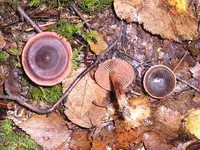
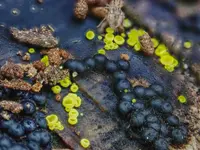
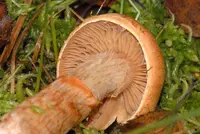
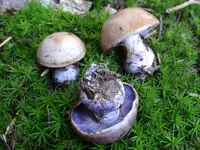
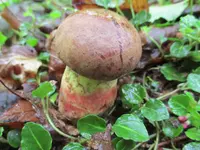
Cortinarius anthracinus is a basidiomycete mushroom, not a green plant, belonging to a large and complex genus of woodland fungi. It typically forms small to medium fruiting bodies with dark, sooty to charcoal-colored caps and matching gills, blending into leaf litter. This species is usually found in temperate forests, often in association with trees such as birch or conifers, where it forms mycorrhizae, a nutrient-exchange partnership with roots. Because its identification is difficult and the genus includes dangerous species, it is not recommended for foraging or casual cultivation. For anyone curious about how to care for Cortinarius anthracinus, it is best observed in its natural habitat rather than grown intentionally at home.


Main Plant Requirements

Care Difficulty

Hard Care

Light Preference

Partial Shade

Water Requirements

Regular Water

Temperature Preference

Cool Climate

Hardiness Zone

Unknown

Soil Texture

Loamy, Silty, Organic-rich

Soil pH

Acidic (5.5–6.5), Slightly acidic (6.5–7.0)

Soil Drainage

Moist but well-drained

Fertilization

Minimal (feed rarely)

Get Personalized Care Plan

Scan your plant to receive care tips personalized for your specific plant

Available on iOS and Android

How to Care for the Cortinarius anthracinus

This woodland mushroom prefers cool, shaded forest conditions rather than direct open sun.

  • Aim for dappled or filtered light under deciduous trees, with no more than 1–2 hours of weak, early-morning sun reaching the forest floor.
  • Avoid direct midday or afternoon sun, which can dry the substrate surface and suppress fruiting even if the underground mycelium survives.
  • Seasonal canopy changes matter; as leaves fall, increased light may require slightly thicker leaf litter to prevent the Cortinarius anthracinus habitat from overheating or drying.

Moist but not waterlogged forest soil supports reliable fruiting of this mycorrhizal mushroom.

  • Maintain evenly moist mineral soil with a loose leaf-litter layer; surface should feel damp but not squelchy when pressed by hand.
  • After extended dry spells, gradual rewetting is safer than heavy soaking, which can cause stagnant, low-oxygen conditions and reduce fungal activity.
  • Watch for signs of stress such as cracked, dusty soil (too dry) or persistent standing water and sour odors (overly wet), then adjust irrigation or site drainage accordingly.

This species is adapted to cool to mild forest climates with a marked autumn fruiting period.

  • Optimal fruiting typically occurs around 50–60°F (10–16°C), matching cool, moist late-season conditions in many temperate woodlands.
  • The underground mycelium usually tolerates down to about 23–28°F (-5–-2°C) once hardened, but repeated freeze-thaw at the surface can damage emerging fruiting bodies.
  • Sustained heat above 77°F (25°C), especially when combined with dry air and soil, tends to suppress fruiting until cooler, wetter weather returns.

This species is a wild ectomycorrhizal fungus and is not practically managed by adjusting air humidity.

Cortinarius anthracinus is an ectomycorrhizal mushroom that depends on natural forest soil rather than prepared substrates.

  • Occurs in loose, humus-rich forest soil with abundant decaying leaf litter and fine roots from host trees.
  • Prefers moist but not waterlogged ground; standing water, compacted paths, and heavily disturbed soil suppress fruiting.
  • Typically associates with slightly acidic conditions, roughly pH 4.5–6, common in coniferous or mixed woodland.
  • Avoid adding lime, fertilizers, or constructed potting mixes; maintaining an undisturbed, organic forest floor layer is most favorable.

This woodland fungus is not suitable for container growing and is best left in its natural habitat.

This woodland fungus forms mycorrhizal partnerships with trees and does not need direct fertilization.

As a wild mycorrhizal mushroom, Cortinarius anthracinus is not managed through pruning in cultivation.

This species is not suited to container culture, so transplanting focuses on its tree partners and habitat rather than the fungus itself.

  • Avoid disturbing established woodland soils where the fungus occurs, as its mycelium forms fine networks around host tree roots.
  • If trees associated with the fungus must be moved, schedule transplanting while dormant in late fall or very early spring.
  • Preserve as much of the original root ball and surrounding soil as possible to maintain the existing mycorrhizal community.
  • Water transplanted trees deeply and consistently afterward to reduce root stress and support recovery of fungal associations.

This mushroom is not typically propagated in home or garden settings, as it relies on complex mycorrhizal relationships with trees.

In its natural range this fungus overwinters in soil without special intervention and does not require targeted winter care.

Care Tips

Spore print checks

Periodically collect spore prints on white and dark paper from several caps to confirm the dark, sooty-brown print typical for this taxon before recording a population or encouraging its spread, since accurate identification is essential when growing Cortinarius anthracinus near morphologically similar species.

Host tree mapping

Map and label the exact birch or other compatible host trees where fruiting occurs, then repeat observations annually at the same points to understand which trees support the strongest mycorrhizal partnerships and avoid disturbing those root zones.

Minimal soil disturbance

Mark productive fruiting spots and keep foot traffic, digging, and raking away from these areas so the underground mycelium and fine feeder roots of the host tree remain intact and able to support future flushes.

Litter layer management

Retain a stable layer of natural leaf litter and small twigs around host trees, only removing dense mats of compacted debris, because a loose, aerated litter layer helps maintain moisture while still allowing the mushrooms to emerge.

Long-term site records

Keep a simple log with dates, weather conditions, host tree details, and number of fruiting bodies each season, which helps detect long-term trends in site productivity and guides decisions about whether a stand is too stressed to tolerate additional disturbance.

Common Pests and Diseases

Mycophagous springtails

These insects feed on fungal tissue, often grazing on caps and gills and leaving tiny pits or irregular surface damage. This pest is especially common in damp, organic-rich forest floor conditions where fruiting bodies develop.

Solution

Lift and discard heavily grazed fruiting bodies and reduce excess surface moisture by improving drainage of the surrounding litter layer. Where collection or study plots are maintained, gently disturb and thin dense leaf litter and avoid overwatering nearby cultivated plants to keep springtail numbers lower around developing mushrooms.

Fungus gnat larvae

These insects tunnel into young and mature fruiting bodies, causing soft spots, internal cavities, and accelerated decay. Symptoms include small entry holes and a mushy texture in affected parts of the mushroom.

Solution

Remove and destroy infested mushrooms as soon as tunneling is noticed to break the life cycle. In managed mushroom study beds, cover developing fruiting bodies with fine mesh and minimize standing water in nearby soil to limit gnat breeding sites.

Slime mold overgrowth

This disease-like overgrowth occurs when slime molds spread across caps and surrounding substrate, coating mushrooms with a slimy, often brightly colored film and hastening collapse. Symptoms include rapid surface coverage and loss of normal cap texture.

Solution

Carefully remove and dispose of fruiting bodies and heavily colonized leaf litter to reduce local spore load. In observation or cultivation-style setups, keep the substrate slightly drier and improve air movement at the forest floor level to discourage slime mold proliferation while still allowing Cortinarius anthracinus to fruit.

Bacterial soft rot

This disease causes localized water-soaked spots that quickly become slimy and foul-smelling, leading to collapse of caps and stems. Symptoms include translucent patches that spread under warm, wet conditions.

Solution

Promptly collect and discard decaying mushrooms and nearby heavily contaminated debris to limit bacterial spread. In semi-managed forest garden or study plots, avoid overhead watering, reduce splashing on fruiting bodies, and encourage airflow near the ground surface as part of practical Cortinarius anthracinus care instructions.

Interesting Facts

Charcoal-dark fruiting bodies

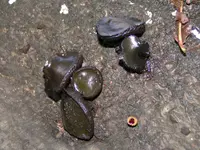
This species produces small, dark brown to almost black caps and stems, giving it a distinctly charcoal-like appearance that inspired the epithet anthracinus, meaning coal-like or related to charcoal.

Strong mycorrhizal partner

It forms ectomycorrhizal associations with trees, especially birch and other broadleaf species, exchanging mineral nutrients and water from the soil for sugars produced by the host tree through photosynthesis.

Preference for nutrient-poor soils

Populations are most often recorded in relatively nutrient-poor, often sandy or acidic forest soils, where its mycorrhizal lifestyle helps host trees cope with limited nutrient availability.

FAQs about Cortinarius anthracinus

This mushroom is considered inedible and potentially poisonous. Identification within the Cortinarius genus is difficult, and several close relatives are dangerously toxic. It must not be collected for food and should be left untouched in the wild.

Grow Healthy Plants with Botan Care

Keep your plants happy and healthy with plant identification, disease detection, and easy care guidance.

Botan plant care app — identify plants on mobile

Explore More Plants