couscous crust Care (Bulbillomyces farinosus)

couscous crust

About couscous crust

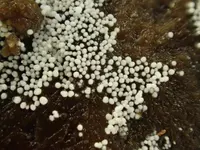
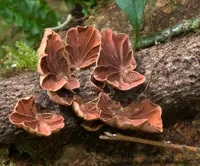
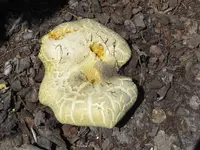
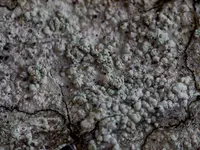
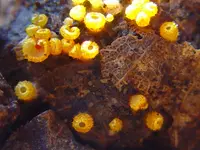
Bulbillomyces farinosus, sometimes called couscous crust, is a small crust-like fungus rather than a leafy houseplant. It forms fine, granular, pale to yellowish patches that resemble couscous scattered over decaying wood or bark. These fruiting bodies sit flat on the surface and can merge into irregular cushions.

This species is mainly found in temperate forests, growing on dead branches, logs, or occasionally living trees where the bark is damaged. It depends on consistently damp, shaded conditions and stable humidity, which makes it harder to maintain indoors. Anyone wanting to learn how to care for couscous crust should understand that it behaves more like a woodland fungus than a decorative potted plant.


Main Plant Requirements

Care Difficulty

Moderate Care

Light Preference

Partial Shade

Water Requirements

Keep Soil Moist

Temperature Preference

Warm Climate

Hardiness Zone

Unknown

Soil Texture

Organic-rich, Peaty, Loamy

Soil pH

Acidic (5.5–6.5)

Soil Drainage

Moist but well-drained

Fertilization

Minimal (feed rarely)

Get Personalized Care Plan

Scan your plant to receive care tips personalized for your specific plant

Available on iOS and Android

How to Care for the couscous crust

Bulbillomyces farinosus develops best under gentle, indirect light rather than intense direct sun.

  • Aim for bright, filtered light or light dappled shade, with 2–4 hours of soft morning sun and full protection from strong midday and afternoon rays.
  • In outdoor settings, place couscous crust where nearby plants or structures provide shade during the brightest part of the day to prevent drying and bleaching.
  • In late autumn and winter, allow slightly more open light exposure, but still avoid low-angle harsh sun that can overheat exposed substrates.

Bulbillomyces farinosus needs consistently moist, well-drained conditions rather than cycles of complete drying or saturation.

  • Water when the surface layer feels just starting to dry, avoiding crusting or dust-dry conditions, and allow excess moisture to drain away promptly.
  • In cool or wet seasons, reduce added water so the substrate stays evenly damp but not soggy, watching for standing water around the colony.
  • Signs of overwatering include a sour smell and slimy patches, while underwatering shows as shrinking, brittle, or powdery tissues that stop expanding.

Stable, mild temperatures support reliable development and sporulation of this species.

  • Optimal growth occurs around 60–75°F (16–24°C), with steady conditions favoring dense, even structures.
  • Short exposures down to about 40°F (4°C) may be tolerated, but repeated frosts below 32°F (0°C) can damage or halt visible growth.
  • Heat above 82–86°F (28–30°C), especially when combined with dry air, can cause rapid drying; provide shade and higher humidity during hot spells.

This fungus prefers steady high humidity to develop its couscous crust fruiting bodies well.

  • Aim for 70–90% humidity; growth slows and surface dries out below about 60%.
  • Dry air causes shriveling, powdery cracking, or stalled spore production on the surface.
  • Increase humidity by misting nearby surfaces, using a humidifier, or placing culture containers inside a ventilated humidity dome.

Bulbillomyces farinosus requires a moist, airy, organic substrate rather than mineral garden soil.

  • Use a fine, organic-rich mix such as coir or peat blended with well-aged compost and 20–30% perlite for structure.
  • Ensure rapid drainage so the substrate is moist but never waterlogged, which encourages bacterial rot and competing molds.
  • Keep pH slightly acidic, roughly 5.5–6.5, by avoiding lime-heavy amendments or alkaline tap water.
  • Improve aeration by keeping the mix loose, not compacted, and by using shallow trays that expose more surface to air.

This species is suitable for shallow container culture on prepared substrate.

  • Choose wide, shallow trays to maximize surface area, which supports more even colonization and fruiting.
  • Use rigid plastic or glazed ceramic containers to maintain stable surface moisture compared with porous clay.
  • Elevate trays on spacers so any drained water clears quickly and the base of the substrate does not stay saturated.

Bulbillomyces farinosus is a saprophytic fungus that usually needs minimal supplemental nutrition when grown on suitably rich organic substrate.

  • For couscous crust indoor care, use a mild, balanced liquid fertilizer at 1/4 strength only if substrate is clearly exhausted and growth is weak.
  • Apply during active growth in warm months, no more than every 4–6 weeks, and skip feeding in winter or any dormant phase.
  • Choose dilute, balanced NPK or very fine compost extract; avoid heavy, salt-rich products that can disrupt the mycelium.
  • Rinse containers lightly with clean water between feeds if salt buildup or crusting appears on the surface.

Bulbillomyces farinosus does not require true pruning, but limited removal of old tissue can maintain hygiene in cultivated setups.

  • Handle only during stable, dry conditions to limit disturbance of active fruiting bodies.
  • Use fine tweezers or a sterile scalpel to remove clearly dead, decayed, or mold-contaminated substrate around the colony.
  • Avoid cutting into healthy tissue; instead, lift away only loose, exhausted material so the organism can expand naturally.
  • Discard removed material in sealed bags to reduce unwanted spread of spores in growing areas.

This species is usually managed by renewing or moving its substrate rather than traditional repotting.

  • Look for signs such as very slow colonization, substrate fully covered and exhausted, or contamination patches before considering transplant or refresh.
  • Plan transfers during peak active growth in mild temperatures, typically spring or early fall, to reduce stress on the mycelium.
  • Every 6–12 months, prepare a fresh, sterile organic substrate and move small colonized sections rather than trying to lift the entire mass.
  • Minimize handling time, keep humidity stable, and avoid temperature shocks so the colony re-establishes quickly in the new substrate.

Bulbillomyces farinosus propagation focuses on controlled spread of mycelium and spores rather than classic plant techniques.

  • Use spore-based methods on sterile, moist organic media in late spring to early fall when temperatures are mild and stable.
  • Alternatively, transfer small colonized substrate pieces onto fresh, compatible material under clean conditions.
  • Maintain high humidity, gentle air movement, and indirect light to support mycelial expansion and fruiting.
  • Label containers with date and source material to monitor colony vigor and identify the most successful lines over time.

Outdoor colonies of this fungus are generally cold tolerant and often need little targeted winter care.

  • In regions with freeze–thaw cycles, a thin mulch layer over colonized ground helps stabilize moisture and temperature.
  • For container cultures, move vessels to a sheltered, frost-free but cool area such as an unheated garage or shed.
  • Keep substrate just barely moist; avoid waterlogged conditions that encourage bacterial rot in cold weather.

Care Tips

Use breathable trays

Grow cultures on shallow, well-ventilated trays or boxes with a loose-fitting lid or plastic cover that has air holes, which helps maintain high local humidity while still allowing gas exchange so the fungus sporulates evenly instead of collapsing from stale air.

Rotate culture media

Alternate between different sterile substrates such as cooked grains, agar plates, or hardwood sawdust blocks over successive cultures to reduce nutrient imbalances and discourage contaminant organisms that adapt to a single food source.

Practice strict hygiene

Disinfect tools, work surfaces, and containers with 70% isopropyl alcohol before handling the fungus, and flame-sterilize metal instruments when possible to lower the risk of mold and bacterial contamination in dense colonies.

Control air movement

Position cultures away from direct vents and strong drafts, using a calm-air corner or a still-air box, so that developing spore masses stay intact and do not dry out or spread unintentionally around the room.

Label and stagger batches

Label containers with strain, substrate, and start date, and stagger new inoculations every 1–2 weeks so you can track performance over time and maintain a continuous, healthy culture cycle while caring for couscous crust in a small indoor setup.

Common Pests and Diseases

Fungal competitors

This disease appears when faster-growing molds colonize the same substrate and overrun the Bulbillomyces colony. Symptoms include patches of green, black, or blue mold overtaking the pale, powdery crust.

Solution

Remove and discard heavily contaminated pieces of substrate, then restart the culture from a clean, uncontaminated section if possible. Improve hygiene by sterilizing or pasteurizing new substrates, using clean tools, and reducing excess humidity and stagnant air that favor competitive molds.

Bacterial contamination

This disease is indicated by wet, slimy patches, sour or foul odors, and rapid collapse of the crust-like tissue. Symptoms include discoloration to gray or brown and softening of the normally dry, farinose surface.

Solution

Discard all affected material and containers, as bacterial contamination spreads quickly. For future cultures, use cleaner substrate, avoid over-wetting, ensure moderate air exchange, and keep culture vessels, tools, and workspaces thoroughly cleaned or sterilized to reduce bacterial load.

Mite grazing

These insects feed on the fungal surface, leaving irregular scraped areas, fine speckling, or thinning patches where spores and tissue have been removed. This pest often appears when cultures are kept very humid with organic debris present.

Solution

Physically isolate affected cultures and, if infestation is light, remove and discard visibly damaged portions. For ongoing Bulbillomyces farinosus care, keep the culture area clean and dry between mistings, avoid storing organic debris nearby, and consider using fine mesh covers or tightly fitting but ventilated lids to exclude mites while maintaining air exchange.

Springtail feeding

These insects are tiny, jumping arthropods that thrive in constantly damp substrates and may nibble on young or delicate crust tissue. Symptoms include minor surface pitting, uneven edges, and slow expansion of the colony despite adequate conditions.

Solution

Reduce excess moisture by allowing the substrate surface to dry slightly between waterings and improve ventilation so the surface is not constantly saturated. Remove heavily infested substrate sections and, if needed, move the culture to a fresh, slightly drier but still humid medium where springtails are less abundant.

Substrate mold overgrowth

This disease involves aggressive molds in the underlying substrate that produce dense, cottony or colored growth, pushing out or smothering the crust. Symptoms include uneven lifting, cracking, or disappearance of the Bulbillomyces layer as other fungi dominate.

Solution

Discard severely affected cultures and start new ones using a well-sterilized or pasteurized substrate with balanced moisture. Limit nutrient excess, avoid overcrowding different fungi in one container, and provide moderate airflow and stable temperatures to favor the target species over opportunistic molds.

Interesting Facts

Powdery spore masses

This crust fungus produces dense, farinose (powder-like) bulbilloid structures on wood, giving its surface a dusted or mealy appearance rather than forming clear caps or brackets.

Specialized wood decomposer

It grows as a thin, crust-like layer on dead wood and contributes to wood decay by breaking down complex plant polymers, helping release nutrients back into forest soils.

Scattered Northern Hemisphere records

Documented collections come from scattered localities in temperate regions of the Northern Hemisphere, and it is considered an uncommon find in routine fungal surveys.

FAQs about couscous crust

Yes, this species does well in shallow, well-drained containers that mimic its natural substrate. Use a loose, airy mix and avoid deep pots that hold excess moisture. Good airflow around the container is also important.

Grow Healthy Plants with Botan Care

Keep your plants happy and healthy with plant identification, disease detection, and easy care guidance.

Botan plant care app — identify plants on mobile

Explore More Plants