Deep root establishment
For the first 2–3 years, water less often but for long durations to encourage a deep taproot, spacing irrigation to when the top 5–8 cm of soil has dried so the tree becomes more drought-resilient as it matures.


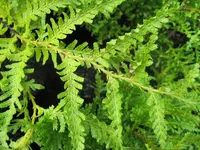
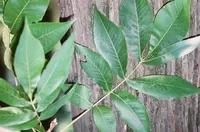
Mockernut, Carya tomentosa, is a long-lived deciduous tree in the hickory group, valued for its strong wood and rich wildlife habitat. It develops a tall, straight trunk with a broad, rounded crown and dense, dark green, compound leaves that turn golden in autumn.
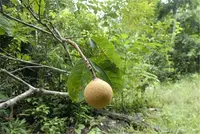
This species is native to eastern North America, where it grows in mixed hardwood forests and well-drained upland sites. It produces thick-shelled nuts that are important for wildlife but less convenient for human use.
Growth is slow to moderate, and the tree prefers full sun, deep soils, and consistent but not excessive moisture. For gardeners learning how to care for mockernut, the main challenges are its eventual size and need for space over many years.

Care Difficulty
Moderate Care

Light Preference
Full Sun

Water Requirements
Moderate Water

Temperature Preference
Cold Hardy

Hardiness Zone
4–9

Soil Texture
Sandy, Loamy, Clay

Soil pH
Acidic (5.5–6.5), Slightly acidic (6.5–7.0)

Soil Drainage
Well-drained

Fertilization
Minimal (feed rarely)
Scan your plant to receive care tips personalized for your specific plant
Available on iOS and Android
Carya tomentosa is a sun-loving hardwood tree that performs best in open landscapes.
Carya tomentosa prefers steady soil moisture when young but becomes quite drought tolerant once established.
This species is a cold-hardy North American hickory adapted to temperate climates with distinct seasons.
Humidity is rarely a limiting factor for Carya tomentosa, which is naturally adapted to typical outdoor air levels.
This species performs best in deep, well-drained mineral soils that stay evenly moist but never waterlogged.
This tree is generally unsuitable for long-term container growing, as its deep taproot and eventual size are poorly matched to pots.
Carya tomentosa usually needs minimal fertilization in native or well-prepared soil.
Carya tomentosa benefits from light structural pruning to maintain strong, safe growth.
This species is rarely kept long-term in containers, so care focuses on correct transplanting of young trees.
Carya tomentosa is most often propagated from seeds, as vegetative methods are slow and unreliable.
Established Carya tomentosa is a cold-hardy deciduous tree and generally requires little winter care in its hardiness range.

Plant Health Check
Not sure what's wrong with your plant? Check your plant's health inside the app.
The leaves have a dense, felt-like layer of hairs on the underside, which helps reduce water loss and may protect against some insect damage and intense sunlight.
This species develops a strong, deep taproot that allows it to access water far below the surface, making mature trees notably tolerant of drought once established.
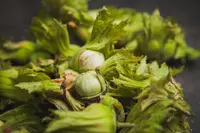
Its large, thick-shelled nuts are a major autumn food source for wildlife such as squirrels, chipmunks, black bears, wild turkeys, and several bird species in eastern North American forests.

Mockernut hickory wood is extremely dense and has been historically prized for tool handles, wagon parts, and fuel, because it combines high shock resistance with one of the highest heat values of any commonly used North American firewood.
This species grows slowly to moderately, usually 20–30 cm per year in youth under good conditions. Growth tapers as it matures, focusing energy on trunk thickening, root expansion, and nut production rather than height.
Keep your plants happy and healthy with plant identification, disease detection, and easy care guidance.