Wind-firm training
In windy sites, tip-prune young shoots by 2–4 in at the start of each wet season to encourage a shorter, sturdier framework that is less likely to snap in storms.

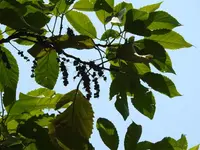
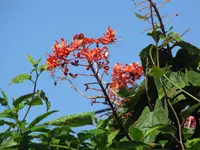
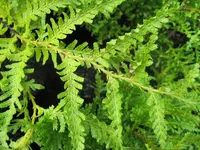
Achiotillo, Alchornea latifolia, is a fast-growing tropical tree or large shrub native to Central and South America and the Caribbean. In suitable climates it often forms part of secondary forest and disturbed areas. It has broad, simple leaves and a dense, branching habit that provides good shade and shelter for wildlife. Flowers are small and not showy, but the plant is valued more for its leafy canopy and resilience. It adapts best to warm, humid conditions with regular moisture and well-drained soil. In cultivation, understanding how to care for achiotillo mainly involves providing consistent warmth, protection from frost, and enough space for its vigorous growth.

Care Difficulty
Moderate Care

Light Preference
Partial Sun

Water Requirements
Regular Water

Temperature Preference
Tropical / Frost Sensitive

Hardiness Zone
11–13

Soil Texture
Loamy, Silty, Organic-rich

Soil pH
Acidic (5.5–6.5), Slightly acidic (6.5–7.0)

Soil Drainage
Moist but well-drained

Fertilization
Minimal (feed rarely)
Scan your plant to receive care tips personalized for your specific plant
Available on iOS and Android
This tropical tree prefers bright, warm conditions similar to a light, open forest edge.
Alchornea latifolia prefers evenly moist, well‑drained soil and dislikes water extremes.
This species is a lowland tropical tree that thrives in consistently warm conditions.
This species prefers moderately humid air but usually adapts if basic moisture needs are met.
This plant grows best in deep, moist, well-drained, organic-rich soil.
This species can be grown in large containers if the pot provides enough depth and stability for its woody root system.
Alchornea latifolia benefits from light, balanced feeding but grows acceptably in moderately fertile soil without heavy inputs.
Alchornea latifolia responds well to light structural pruning to maintain a strong framework and safe size.
This species is usually grown in the ground, so management focuses on careful transplanting rather than frequent repotting.
Alchornea latifolia is most often propagated from seeds or semi-hardwood cuttings under warm, humid conditions.
This tropical tree lacks frost tolerance and needs protection or a warm climate to overwinter successfully.

Plant Health Check
Not sure what's wrong with your plant? Check your plant's health inside the app.
This species is a fast‑growing pioneer tree in disturbed lowland forests of Central and northern South America, often colonizing lands after logging, farming, or natural tree falls and helping stabilize the soil.
Glands on the leaf surfaces and petioles secrete nectar outside the flowers, attracting ants that in turn can help deter some leaf‑eating insects from the tree.
Its small, bright red, 3‑lobed fruit capsules split open to reveal dark seeds with a pale aril, which are eaten and dispersed by birds in humid forests.

In parts of its native range, the large, tough leaves of this tree are traditionally used as natural food wrappers and temporary plates, taking advantage of their size, flexibility, and resistance to tearing when fresh.
This species is generally fast-growing in warm, humid climates, often adding 60–150 cm of height per year when young. In favorable conditions it can develop into a medium to large tree with a broad crown.
Keep your plants happy and healthy with plant identification, disease detection, and easy care guidance.