camptotheca Care (Camptotheca acuminata)

Also known as: Happy tree, Cancer tree, Tree of life, Chinese happy tree
camptotheca

About camptotheca

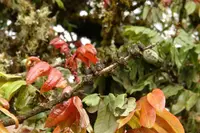
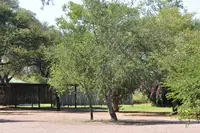
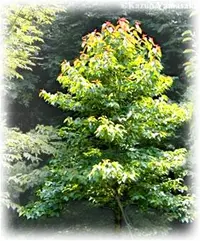
Camptotheca acuminata, often called the happy tree or cancer tree, is a fast-growing deciduous tree valued more for scientific interest than for ornamental use. It develops a straight trunk, broad rounded crown, and large, glossy green leaves that create dense summer shade.

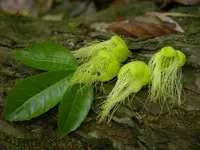
This species is native to China, where it typically grows in warm, humid river valleys and low mountain forests. It produces modest greenish flowers and small, decorative, winged fruits rather than showy blooms.

In cultivation it can be demanding, as it prefers mild climates, consistent moisture, and deep, well-drained soil. Gardeners who want to care for camptotheca should know it is best suited to larger outdoor spaces, not containers or small gardens.

Main Plant Requirements

Care Difficulty

Moderate Care

Light Preference

Full Sun

Water Requirements

Regular Water

Temperature Preference

Warm Climate

Hardiness Zone

7–10

Soil Texture

Loamy, Silty, Organic-rich

Soil pH

Acidic (5.5–6.5), Slightly acidic (6.5–7.0)

Soil Drainage

Moist but well-drained

Fertilization

Minimal (feed rarely)

Get Personalized Care Plan

Scan your plant to receive care tips personalized for your specific plant

Available on iOS and Android

How to Care for the camptotheca

This fast-growing deciduous tree needs abundant light to fuel strong canopy and trunk development.

  • Provide 6–8 hours of direct sun daily; in hot inland climates, give morning sun with light afternoon shade to prevent leaf scorch.
  • Young trees tolerate partial shade (3–4 hours of direct sun), but growth slows and crowns become sparse if light stays below this level.
  • Avoid deep shade near tall buildings or dense trees, and ensure full-sun positioning during spring and early summer when camptotheca forms most new shoots.

This moisture-loving tree prefers consistently damp but not waterlogged soil around the root zone.

  • Irrigate when the top 3–5 cm of soil feels slightly dry, delivering a deep soak rather than light, frequent splashes to encourage deeper rooting.
  • In hot summer periods, monitor soil every 2–3 days; in cool or rainy seasons, reduce watering and rely more on natural rainfall if soil stays evenly moist.
  • Watch for yellowing leaves and soft, sour-smelling soil as signs of overwatering, and for curled, browning leaf edges and cracked soil as signs of underwatering around Camptotheca acuminata.

This species prefers warm, frost-free conditions similar to a mild subtropical climate.

  • Support active growth at 70–86°F (21–30°C); short periods up to 95°F (35°C) are tolerated if soil moisture is steady and roots are mulched.
  • Protect from frost below 30°F (-1°C); young trees can suffer bark and shoot damage, so use frost cloth or site them where cold air drains away.
  • In areas with cool winters, expect leaf drop when temperatures fall consistently below 50°F (10°C), with vigorous regrowth once spring rises above 60°F (16°C).

This species handles typical outdoor humidity but benefits from moderately moist air in hot, dry regions.

  • Aim for 40–60% humidity in cultivation, especially for young camptotheca trees in exposed sites.
  • Leaves curling at edges or developing crispy tips in strong sun and wind can indicate humidity stress combined with drought.
  • Increase local humidity by mulching the root zone, grouping plants, and using windbreaks rather than misting foliage.

Camptotheca acuminata prefers deep, moist, well-drained mineral soils with steady structure and aeration.

  • Use a loamy mix with moderate organic matter, such as native loam amended with 20–30% compost for moisture retention and nutrient supply.
  • Ensure drainage by avoiding heavy, compacted clay; incorporate coarse sand or fine bark to improve pore space and reduce waterlogging risk.
  • Target a slightly acidic to neutral pH around 6.0–7.0, avoiding strongly alkaline soils that can reduce micronutrient availability and cause chlorosis.
  • Avoid thin, stony, or constantly saturated ground; in marginal sites, build a raised bed with structured loam, compost, and coarse material for aeration.

This tree is only suitable for short-term container growing, mainly for seedlings or small juveniles.

  • Choose a tall, heavy container that resists tipping and allows a strong taproot and early framework roots to develop downward.
  • Use a fast-draining, slightly heavier mix than for houseplants so the pot does not dry out too quickly in sun and wind.
  • Position the container where it is sheltered from strong prevailing winds to reduce rocking that can damage developing roots.

This fast-growing tree benefits from moderate feeding on fertile, well-drained soil.

  • Use a balanced slow-release fertilizer (for example 10-10-10) or well-aged compost at the start of spring growth for Camptotheca acuminata.
  • Apply granular fertilizer lightly over the root zone every 6–8 weeks during the active growing season, following label rates.
  • Reduce or stop feeding in late fall and winter to avoid soft, frost-sensitive growth during dormancy.
  • For young container-grown plants, use a balanced liquid feed at 1/2 strength every 4–6 weeks in spring and summer.

This deciduous tree responds well to light structural pruning to maintain a strong framework.

  • Carry out main pruning in late winter or very early spring before bud break on Camptotheca acuminata.
  • Remove dead, diseased, crossing, or storm-damaged branches back to healthy wood using clean, sharp bypass pruners or a pruning saw.
  • Thin congested interior shoots to improve light penetration and airflow, which supports healthy growth and reduces fungal issues.
  • Shape the canopy by shortening overly vigorous outward or upward shoots, keeping cuts just above a bud or side branch.

This species is usually grown as a landscape tree, so transplanting young plants out of containers is the main focus.

  • Plan transplanting for early spring or early fall, when temperatures are mild and soil is workable, to reduce stress on Camptotheca acuminata.
  • Move trees when roots circle the container, drainage slows, or growth declines despite good care.
  • Before planting, water the root ball thoroughly, then gently loosen circling roots and set the tree slightly higher than the surrounding soil line.
  • After transplanting, backfill with native soil, water deeply to settle roots, apply a 5–8 cm mulch layer, and keep the root zone evenly moist for the first growing season.

This tree is most often propagated from seed, with some use of softwood cuttings in controlled conditions.

  • Collect ripe seeds in late summer to fall, then sow fresh or after cool, dry storage to maintain viability for Camptotheca acuminata.
  • Sow seeds in a free-draining, sterile mix, barely covered, and maintain 65–75°F with consistent but not waterlogged moisture.
  • Provide bright, indirect light and good air movement to reduce damping-off, a fungal disease that kills seedlings at soil level.
  • For softwood cuttings in late spring to early summer, use rooting hormone, high humidity, and bottom heat around 70–75°F.

This deciduous tree has moderate cold tolerance but young plants benefit from some winter protection in colder regions.

  • In climates colder than USDA zone 7–8, site Camptotheca acuminata in a sheltered position away from drying winter winds.
  • Apply a 5–8 cm mulch layer over the root zone in late fall, keeping it a few cm away from the trunk to reduce rot risk.
  • For young or container-grown trees, wrap the container or move it into an unheated garage or cold greenhouse during hard freezes.

Care Tips

Wind firming trunks

In open, windy sites, stake young trees loosely for the first 1–2 years, then gradually reduce support so moderate movement can strengthen the trunk and root flare rather than leaving the tree permanently tied.

Root-zone mulching

Maintain a 5–8 cm deep ring of arborist wood chips or shredded bark over the root zone, kept 10–15 cm away from the trunk, to moderate soil temperature, conserve moisture, and reduce competition from turf grass.

Branch structure training

During late winter, select and retain a single dominant leader and remove or shorten steeply upright competing branches while they are still small, which reduces future risk of splitting and improves scaffold strength.

Basal suckers management

Inspect the base of the trunk several times a year and cut off any emerging suckers or water sprouts flush with the point of origin, using clean, sharp pruners to prevent weak, crowded growth.

Soil oxygen protection

Avoid parking vehicles, storing heavy materials, or frequent tilling within the canopy drip line, since compaction and root disturbance significantly reduce soil oxygen and long-term vigor when growing camptotheca outdoors.

Common Pests and Diseases

Leaf spot

This disease causes irregular brown to black spots on leaves, often with a yellow halo and occasional shot-hole appearance as tissue dries and falls out.

Solution

Prune and destroy heavily spotted leaves, avoid overhead watering, and improve spacing and air movement around trees. In nursery or young plant settings, use a labeled copper or chlorothalonil fungicide during wet periods if spotting is severe and recurring.

Powdery mildew

This disease appears as a white to gray powdery film on young leaves and shoots, which can lead to leaf distortion and reduced vigor in humid, shaded conditions.

Solution

Increase light and airflow, avoid excess nitrogen fertilization, and remove heavily infected leaves. In persistent cases, apply a sulfur or potassium bicarbonate fungicide labeled for ornamental trees at the first sign of symptoms and repeat as directed during high-risk weather.

Leaf blight

Symptoms include rapid browning and death of leaf tissue starting at the tips or margins, sometimes progressing to young shoots, especially during warm, wet weather.

Solution

Collect and dispose of fallen leaves to reduce inoculum, and prune out blighted shoots back into healthy wood. For valuable specimens or nursery stock, consider a preventive fungicide program with a registered broad-spectrum product during prolonged wet spells, combined with improved drainage and canopy thinning to speed drying.

Leaf miners

These insects create winding, pale tunnels inside the leaves, leading to blotchy, translucent patches and premature leaf drop on heavily infested trees.

Solution

Remove and destroy leaves showing fresh mines to interrupt the life cycle, especially on young trees. For repeated infestations, apply a systemic insecticide containing imidacloprid or spinosad according to label directions early in the season when new growth is expanding.

Bark borers

This pest group tunnels into stems and trunks, causing small entry holes, frass (sawdust-like material), branch dieback, and in severe cases structural weakening of young Camptotheca trees.

Solution

Promptly prune and destroy infested branches and maintain tree vigor through proper watering and mulching to make trees less attractive to borers. For high-value or nursery stock, use a preventive trunk or soil-applied systemic insecticide timed to adult flight periods, and avoid wounding the bark, which attracts egg-laying females and complicates Camptotheca acuminata care instructions.

Interesting Facts

Unique anticancer alkaloid

This tree is the original natural source of the compound camptothecin, a plant alkaloid that led to the development of several modern chemotherapy drugs after its isolation in the 1960s.

Deciduous in subtropics

Unlike many medically important tropical trees, it is a fully deciduous species that sheds its leaves in the cool season, timing new leaf and flower growth to warmer, wetter periods.

Spiky spherical fruits

The tree forms distinctive round fruit clusters made of many small, spiny nutlets packed together, an inflorescence structure botanists describe as a compound head.

Botan icon

Did you know?

Camptotheca acuminata is one of only a few woody species in the dogwood family (Cornaceae) to develop high levels of camptothecin specifically in its bark, leaves, and seeds, a chemical defense that likely evolved to deter herbivores and pathogens and that later became important to human pharmacology.

FAQs about camptotheca

This species is generally fast growing, often adding 60–90 cm in height per year when young. In suitable climates it can eventually reach 10–20 m tall with a broad, rounded crown.

Grow Healthy Plants with Botan Care

Keep your plants happy and healthy with plant identification, disease detection, and easy care guidance.

Botan plant care app — identify plants on mobile

Explore More Plants