Root flare check
When potting or planting, keep the upper roots and trunk flare just at or slightly above soil level to reduce risk of rot and encourage stable anchoring over time.

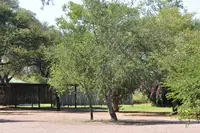
Anthill saffron, Elaeodendron transvaalense, is a small to medium evergreen tree native to savanna and woodland areas of southern Africa. It often grows on or near old termite mounds, which improve soil structure and drainage around its roots.
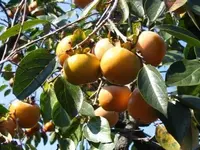
The plant has dense, glossy green foliage, small flowers, and attractive orange to red fruit that add ornamental interest. It usually grows slowly, which makes it suitable for long-term container culture or small gardens.
This species prefers bright light, well-drained soil, and moderate, steady moisture, but it does not tolerate prolonged waterlogging. With stable conditions and no extreme cold, it is relatively straightforward to care for anthill saffron.

Care Difficulty
Moderate Care

Light Preference
Partial Sun

Water Requirements
Moderate Water

Temperature Preference
Warm Climate

Hardiness Zone
10–11

Soil Texture
Sandy, Loamy, Rocky

Soil pH
Slightly acidic (6.5–7.0), Neutral (7.0)

Soil Drainage
Well-drained

Fertilization
Minimal (feed rarely)
Scan your plant to receive care tips personalized for your specific plant
Available on iOS and Android
Elaeodendron transvaalense prefers bright, indirect light with some direct sun, especially in cooler hours.
Elaeodendron transvaalense prefers evenly moist, well-drained soil that dries slightly between waterings.
This species prefers warm, frost-free conditions with only moderate temperature swings.
This species handles typical indoor humidity but benefits from slightly raised levels in very dry homes.
This species prefers a well-draining, slightly gritty mix that mimics rocky woodland or savanna soils.
This tree can be grown in containers when given enough root space and excellent drainage.
Elaeodendron transvaalense grows well in lean soils but benefits from light, controlled feeding in containers or poor ground.
Elaeodendron transvaalense needs only light, targeted pruning to maintain structure and health.
This species is usually grown in the ground, so focus on careful transplanting rather than frequent repotting.
Elaeodendron transvaalense is usually propagated by seeds or semi-hardwood cuttings under controlled conditions.
This tree is moderately frost tolerant but benefits from some winter attention in colder regions.

Plant Health Check
Not sure what's wrong with your plant? Check your plant's health inside the app.
In its native southern African habitats, this small tree often grows on termitaria, with its roots spreading into abandoned or active termite mounds where the altered soil structure and nutrients support slow but steady growth.
The wood is very hard, dense, and fine-grained, which has led to its use in small-scale applications such as tool handles and small turned objects where durability is important.
Its fleshy orange to reddish fruits are eaten by birds, which then disperse the seeds through droppings, helping maintain populations in savanna and woodland ecosystems.

In some regions this species is locally uncommon and slow-growing, so harvesting of wild trees is restricted or discouraged to prevent depletion of natural populations and to preserve its ecological role in savanna and woodland landscapes.
Growth is moderate, not very fast. In suitable conditions it often reaches 2–4 m as a small tree or large shrub. Container plants stay smaller, especially with root restriction and regular pruning to maintain size and structure.
Keep your plants happy and healthy with plant identification, disease detection, and easy care guidance.