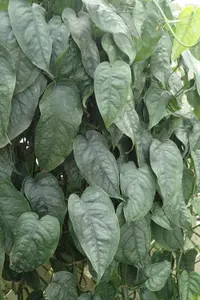
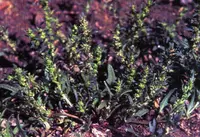
Natal fig Care (Ficus natalensis)

Natal fig

About Natal fig

Natal fig, Ficus natalensis, is an evergreen fig tree or shrub grown as both an outdoor ornamental and an indoor container plant. It naturally occurs in eastern and southern Africa, often forming spreading, multi-stemmed trees with dense, glossy foliage.

In cultivation it is valued for its relatively compact growth, attractive small leaves, and good response to pruning and shaping. These traits make it popular for bonsai and for growers who care for Natal fig in bright interiors.

The plant prefers stable warmth, bright indirect light, and evenly moist but well-drained soil, which together support steady, manageable growth for most home growers.

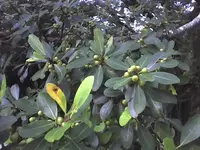
Main Plant Requirements

Care Difficulty

Moderate Care

Light Preference

Bright Indirect Light

Water Requirements

Moderate Water

Temperature Preference

Tropical / Frost Sensitive

Hardiness Zone

10–11

Soil Texture

Loamy, Sandy, Organic-rich

Soil pH

Acidic (5.5–6.5), Slightly acidic (6.5–7.0)

Soil Drainage

Moist but well-drained

Fertilization

Minimal (feed rarely)

Get Personalized Care Plan

Scan your plant to receive care tips personalized for your specific plant

Available on iOS and Android

How to Care for the Natal fig

This species prefers bright, indirect light that mimics light at the edge of a forest canopy.

  • Provide 4–6 hours of bright, filtered light daily; gentle morning sun with afternoon shade suits Natal fig best.
  • Outdoors, site it in dappled shade under taller plants or a shade cloth; indoors, place near an east or bright north window.
  • Protect from harsh midday sun that can scorch leaves, and avoid deep shade, which causes sparse growth and elongated, weak shoots.

Watering should aim for evenly moist but never waterlogged soil around the root zone.

  • Irrigate when the top 2–4 cm of soil feels dry, allowing thorough soaking until excess drains away.
  • In warm growing seasons, this may mean more frequent watering; in cooler months, extend the interval while still preventing the root ball from fully drying out.
  • Watch for yellowing, soft leaves and sour-smelling soil as signs of overwatering, and for crisp edges and drooping leaves as signs of underwatering in Ficus natalensis.

Stable, warm conditions support steady growth and reduce stress in this fig species.

  • Aim for 65–80°F (18–27°C) for active growth, avoiding sudden swings of more than 10°F (6°C) in a short period.
  • The plant tolerates brief drops to about 50°F (10°C) but should be protected from frost and freezing temperatures, which can kill young shoots.
  • In hot periods above 90°F (32°C), provide light shade and good airflow to limit leaf scorch, and reduce other stresses such as recent repotting.

This species prefers moderately humid air but adapts to most indoor homes if extremes are avoided.

  • Aim for 40–60% humidity; below 35% for extended periods may slow growth and increase leaf drop.
  • Tolerates short dry spells in heated rooms, but crispy leaf edges and curled tips indicate humidity stress.
  • Increase humidity with a nearby humidifier, grouped plants, or a pebble tray under the pot rather than misting leaves.

Ficus natalensis grows best in a loose, airy, and well-drained mix that still holds some moisture.

  • Use a base of loamy potting mix with added perlite and fine bark to create a chunky, structured substrate.
  • Ensure rapid drainage so water exits the pot within seconds, preventing saturation that leads to root rot.
  • Keep pH slightly acidic to neutral, around 6.0–7.0, avoiding very alkaline mixes that can restrict nutrient uptake.
  • Avoid heavy, compacted, or peat-only media; improve such mixes by blending in coarse sand or extra perlite for aeration.

This species is well suited to container growing when the pot provides stable support and controlled moisture.

  • Choose a wide, weighty container to counterbalance the plant’s spreading or bonsai-trained canopy and prevent tipping.
  • Select clay or other porous materials if extra evaporation is needed, or plastic if moisture retention is a challenge in your climate.
  • Provide ample horizontal root space rather than extreme depth, as a broader footprint supports both anchoring and fine root development.

This species benefits from light, consistent feeding during active growth, especially in containers.

  • Use a balanced liquid fertilizer (for example 10-10-10 or 20-20-20) diluted to 1/4–1/2 strength for Natal fig in pots.
  • Apply every 4–6 weeks during spring and summer, on moist soil to limit root burn.
  • Pause or reduce feeding to 1 light application in midwinter for indoor plants, none for resting outdoor specimens.
  • Organic compost or a gentle slow-release fertilizer can be mixed into the top 2–3 in of soil at the start of the growing season.

Pruning helps maintain size, structure, and health in Ficus natalensis, especially in containers or small spaces.

  • Carry out main pruning in late winter to early spring before vigorous new growth starts.
  • Remove dead, diseased, crossing, or inward-growing branches to improve airflow and light penetration.
  • Shorten overly long shoots to shape the canopy and encourage denser branching or bonsai-style forms.
  • Use clean, sharp bypass pruners; make angled cuts just above a bud or side branch to promote healthy healing.

Container-grown plants and bonsai forms respond well to careful repotting that respects their fine root system.

  • Check for roots circling the pot, pushing through drainage holes, or reduced vigor, which indicate a need to move Ficus natalensis to a larger container.
  • Plan repotting for late winter to early spring, usually every 2–3 years for young plants, less often for older specimens.
  • Choose a pot only 2–5 cm wider with free-draining, slightly loamy mix; avoid jumping to an oversized container.
  • Gently loosen outer roots, trim damaged ones, keep the root ball slightly moist, and shade the plant from strong sun for 3–7 days to reduce stress.

This fig is commonly propagated vegetatively to maintain desired traits and size.

  • Use semi-hardwood stem cuttings in late spring to summer, 8–12 cm long, with 2–3 nodes and a few leaves left at the top.
  • Dip the cut base in rooting hormone, then insert into a moist, free-draining mix of perlite and peat or similar medium.
  • Maintain bottom warmth around 70–75°F, high humidity, and bright, indirect light until roots form in 4–8 weeks.
  • Air layering of thicker branches is an alternative for larger plants, giving well-rooted sections that establish quickly.

This species is frost sensitive and needs protection in climates with cold winters, especially in containers.

  • Move potted plants indoors before temperatures drop below 40°F, placing them in bright, indirect light.
  • In mild climates, mulch the root zone with 5–8 cm of organic material to moderate soil temperature.
  • Avoid cold drafts and sudden temperature swings indoors, and water sparingly while growth is slow.

Care Tips

Progressive root pruning

Every 1–2 years, trim back the outer 10–20% of the root mass with a clean, sharp knife when repotting, then replant into fresh mix to keep the plant compact and encourage dense feeder roots, especially if using it for bonsai-style training.

Trunk thickening method

To thicken the trunk, allow a taller leader to grow freely for a season, then gradually reduce height over 2–3 pruning cycles, which redirects growth into the lower trunk and base without shocking the plant.

Aerial root encouragement

If you want aerial roots, maintain slightly higher local humidity around branches by placing a moist sphagnum collar or foam around selected nodes, checking weekly so it stays damp but not soggy to avoid rot.

Hedge and screen training

For hedge use, install a simple wire or string line at the desired height and shear new growth just above it 2–3 times per warm season to build a dense, even wall of foliage with strong lateral branching.

Systematic pest scouting

When caring for Natal fig, inspect the undersides of leaves and branch crotches every 2–3 weeks with a hand lens and wipe suspicious areas with a cloth lightly moistened with insecticidal soap to remove early mealybug or scale infestations before they spread.

Common Pests and Diseases

Fig wax scale

This pest forms domed, waxy brown to gray bumps on stems and leaf veins, often causing sticky honeydew and sooty mold. Symptoms include yellowing leaves, weak growth, and reduced vigor.

Solution

Prune and discard heavily infested twigs, then wipe remaining stems with a cotton pad dipped in diluted alcohol or insecticidal soap. For persistent scale on larger plants, use repeated applications of horticultural oil, ensuring thorough coverage of stems and the undersides of leaves while keeping the plant in good light and low humidity until dry.

Thrips

These insects rasp the leaf surface and suck sap, leading to silvery or bronze streaks, distorted new leaves, and fine black specks of excrement. This pest is especially common on tender new growth and in warm, dry indoor conditions.

Solution

Rinse foliage thoroughly with a strong but gentle stream of water, then treat all leaf surfaces with insecticidal soap or neem oil at 5–7 day intervals until new growth appears clean. Improve Ficus natalensis care by increasing humidity, avoiding plant crowding, and checking nearby plants so infestations do not spread unnoticed.

Spider mites

These insects are tiny sap-feeding arachnids that thrive in warm, dry air, causing fine stippling, dull leaves, and delicate webbing between leaves and stems. Symptoms include gradual leaf yellowing and early leaf drop when populations are high.

Solution

Shower the plant with lukewarm water, focusing on the undersides of leaves, then apply horticultural oil or insecticidal soap and repeat weekly until no webbing or new spotting appears. Maintain higher humidity (40–60%), avoid placing the plant near hot air vents, and inspect regularly with a hand lens to catch mite activity early.

Cercospora leaf spot

This disease produces small dark brown to black spots with yellow halos on older leaves, which can merge and cause premature leaf drop. Symptoms include a general thinning of the canopy and a patchy, unattractive appearance, especially in plants kept too wet or crowded.

Solution

Remove and discard affected leaves, then improve air circulation and allow the top layer of soil to dry slightly between waterings. If new spots continue to appear, use a copper-based fungicide according to label directions and avoid overhead watering so leaves dry quickly after irrigation.

Anthracnose

This disease causes irregular tan to dark brown lesions along leaf edges and tips, sometimes leading to curling and dieback of young shoots. Symptoms include blighted new growth and a scorched look, often after repeated wetting of foliage in warm conditions.

Solution

Prune and dispose of infected leaves and shoot tips, disinfecting pruning tools between cuts, and avoid wetting foliage when watering. Improve airflow, keep the plant in bright indirect light, and, in severe or recurring cases, apply a labeled ornamental fungicide, treating both upper and lower leaf surfaces.

Interesting Facts

Natural bark cloth source

In parts of East Africa, the subspecies Ficus natalensis subsp. schliebenii is traditionally managed and harvested as a bark cloth tree, where its inner bark is carefully removed and beaten into a durable textile used for clothing and ceremonial garments.

Keystone strangler and shade

In its native range, this species often starts life as an epiphyte on other trees and can become a strangler fig, eventually forming a massive, dense crown that provides deep shade and important habitat structure for forest and savanna-edge ecosystems.

Important wildlife food

The small figs are produced in multiple crops through the year and are a key food source for birds, bats, and primates in eastern and southern Africa, helping maintain local fruit-eating animal populations during seasonal shortages of other fruits.

Botan icon

Did you know?

Some mature Ficus natalensis can develop complex buttress roots and multiple fused trunks that create natural archways and hollowed spaces large enough for people to stand inside, and in certain rural areas such trees serve as traditional meeting points or landmarks.

FAQs about Natal fig

Growth is moderate under good conditions. Young plants can add 20–40 cm per year, slowing as they mature. Root restriction in containers and regular pruning further reduce extension growth, which helps keep size manageable indoors or in small gardens.

Grow Healthy Plants with Botan Care

Keep your plants happy and healthy with plant identification, disease detection, and easy care guidance.

Botan plant care app — identify plants on mobile

Explore More Plants