











Byssonectria terrestris Care

Byssonectria terrestris

About Byssonectria terrestris

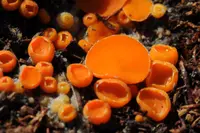
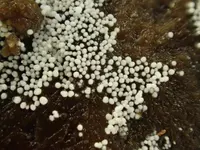
Byssonectria terrestris is a small, cup-shaped fungus rather than a typical leafy plant. It forms bright orange to reddish fruiting bodies that appear in dense patches on soil or decaying organic matter. These patches can look like tiny discs or cushions scattered across the ground. It is usually found in temperate regions, often in disturbed or cultivated soils. Because it is a specialized fungus with specific substrate and moisture needs, it is not commonly grown in home settings. For those who want to care for Byssonectria terrestris, stable moisture and cool, shaded conditions are generally important.

Main Plant Requirements

Care Difficulty

Moderate Care

Light Preference

Partial Shade

Water Requirements

Keep Soil Moist

Temperature Preference

Cool Climate

Hardiness Zone

Unknown

Soil Texture

Loamy, Silty, Organic-rich

Soil pH

Slightly acidic (6.5–7.0)

Soil Drainage

Moist but well-drained

Fertilization

Minimal (feed rarely)

Get Personalized Care Plan

Scan your plant to receive care tips personalized for your specific plant

Available on iOS and Android

How to Care for the Byssonectria terrestris

This fungus thrives in cool, moist sites with low to moderate light rather than full, direct sun.

  • Aim for dappled light or light shade, such as the filtered sun found on forest floors or under low vegetation for 2–4 hours per day.
  • Avoid strong midday and afternoon sun, which can dry substrates quickly and limit Byssonectria terrestris development, especially in exposed, open areas.
  • In summer, protect from prolonged direct exposure; in winter, slightly more open light is acceptable as long as the substrate remains moist and does not freeze solid.

Moisture availability in the substrate is more important than direct watering for this soil-dwelling fungus.

  • Keep the substrate consistently damp but not waterlogged; avoid standing water or thick, anaerobic mud that stays saturated for long periods.
  • Allow only the upper 1–2 cm of surface to begin drying before rewetting gently, using fine spray or light irrigation to avoid disturbing the mycelium.
  • Reduce moisture input in cooler seasons to limit rot and mold competitors; signs of excess include foul odor and slimy patches, while very dry, cracking soil signals insufficient moisture.

This species prefers cool to mild temperatures and is sensitive to both hard frost and extreme heat.

  • Optimal activity generally occurs around 50–68°F (10–20°C), typical of cool, moist forest or garden soil environments.
  • Short dips close to 32°F (0°C) can be tolerated if the substrate is insulating, but repeated freezes or deep ground frost reduce survival and fruiting.
  • Prolonged heat above 77–82°F (25–28°C), especially with dry conditions, suppresses growth; partial shading and steady moisture help buffer soil temperatures during hot periods.

Humidity is not a key factor for Byssonectria terrestris, which occurs naturally on moist soils and plant debris.

Byssonectria terrestris develops best on consistently moist, organic-rich substrates rather than standard potting soil.

  • Use a loose, fine-textured mix based on leaf litter, compost, and well-decayed wood fragments to mimic forest-floor debris.
  • Maintain excellent drainage with 20–30% fine sand or perlite so the substrate stays moist but never waterlogged.
  • Aim for mildly acidic to neutral conditions around pH 5.5–7.0, avoiding limed or strongly alkaline materials.
  • Keep structure airy and friable; avoid compacted, heavy clay or peat blocks that limit oxygen around the fungal tissues.

This species is generally unsuitable for container growing except for temporary, specialized cultivation or observation.

This small cup-fungus lives on decaying organic matter and does not benefit from intentional fertilizing in cultivation.

Pruning is not applicable, as this fungus naturally fruits, matures, and decomposes without structural maintenance.

Transplanting is rarely appropriate because this fungus is closely tied to its original soil and organic substrate.

  • Avoid disturbing established colonies; moving substrate usually disrupts the mycelium and reduces future fruiting.
  • If relocation is essential, lift a broad, intact block of soil and organic debris with minimal breakage.
  • Transplant during cool, moist conditions to limit desiccation of the mycelium network.
  • After moving, keep the new site evenly moist and shaded to reduce stress on the fungal tissue.

Propagation of Byssonectria terrestris is not typically managed directly, as it spreads through microscopic spores in suitable habitats.

No special winter care is needed because this fungus appears and disappears with natural moisture and temperature cycles.

Care Tips

Substrate rotation

Periodically rotate and lightly rake the upper 1–2 cm of the host soil or mulch layer so old, spent fruiting patches are broken up and new surfaces are exposed, which supports ongoing spore dispersal and renewal when growing Byssonectria terrestris outdoors.

Moisture mapping

Use a simple moisture probe or several test spots with your finger at different depths and locations to identify where the substrate dries fastest, then adjust misting or irrigation emitters to target only those drier zones without over-saturating the entire area.

Host material management

Maintain a steady but moderate supply of fine woody debris, bark chips, or needle litter rather than large logs, because this fungus colonizes and fruits more reliably on thin, partially decomposed material with a high surface area.

Hygienic handling

Disinfect tools, collection trays, and any reusable containers with 70% isopropyl alcohol before and after handling colonies to limit contamination from aggressive molds that can quickly overtake young tissue.

Microclimate shielding

Install low shade cloth, windbreak mesh, or perforated plastic tunnels a short distance above the colony to buffer against sudden drying winds and direct rainfall splash, which helps keep the delicate fruiting bodies intact and extends their visible period when caring for Byssonectria terrestris.

Common Pests and Diseases

Mycophagous springtails

These insects live in damp substrates and graze on fungal tissues, sometimes visibly scarring or thinning small fruiting bodies. This pest thrives where moisture and organic matter are high.

Solution

Reduce excess moisture and improve drainage or air circulation around the substrate to keep conditions just moist, not saturated. If populations are heavy and damaging, physically remove infested material, allow the surface to dry slightly between waterings, and, in indoor culture, use fine mesh barriers or sticky traps around containers to limit movement from other fungal cultures.

Fungivorous mites

These insects are tiny arthropods that feed directly on fungal hyphae and apothecia, causing pitting, collapse, or uneven development of the orange discs. This pest often builds up in warm, confined culture spaces with multiple fungi present.

Solution

Inspect cultures with a hand lens and discard heavily infested plates or containers to protect nearby material. For remaining cultures, lower temperature slightly, increase ventilation, avoid overcrowding, and, if needed in specialized setups, use species-safe biological controls such as predatory mites rather than broad-spectrum chemicals.

Competing filamentous molds

This disease issue arises when fast-growing molds overrun the substrate, outcompeting B. terrestris and suppressing its characteristic orange fruiting bodies. Symptoms include fuzzy gray, green, or black colonies that spread across the medium surface.

Solution

Remove and discard contaminated cultures or heavily overgrown substrate to prevent further spread. For controlled cultivation or study, work with clean tools, use pasteurized or sterilized substrate, limit condensation, and separate cultures in well-ventilated containers to favor the existing Byssonectria terrestris care instructions over aggressive contaminants.

Bacterial surface contamination

This disease presents as slimy, wet-looking patches on or around the fungal growth, sometimes with an unpleasant odor and localized dieback of fruiting tissue. Symptoms include glassy or mucous-like films that disrupt the dry, powdery surface appearance.

Solution

Discard severely affected pieces of substrate and avoid reusing tools or containers without thorough cleaning and disinfection. Improve hygiene in any culture setting, reduce free water on surfaces, and maintain moderate airflow so surfaces dry between misting or watering events, which makes it harder for bacteria to persist.

Interesting Facts

Bright orange apothecia

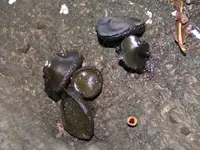
This fungus forms tiny, bright orange, cup-shaped fruiting bodies (apothecia) that sit directly on the soil surface or among decaying plant debris, often appearing in dense patches.

Preference for disturbed soil

It commonly colonizes bare or recently disturbed, often nutrient-poor soils, such as road banks, paths, or exposed forest ground, where competition from other fungi and plants is relatively low.

Cold season fruiting

In many temperate regions it is most often recorded in the cooler months, with fruiting bodies appearing in late fall to early spring when temperatures are low and moisture is relatively high.

FAQs about Byssonectria terrestris

This cup fungus is not considered edible and lacks culinary value. Identification of small orange fungi is difficult, and some related species can cause stomach upset, so it is safest to avoid consumption altogether.

Grow Healthy Plants with Botan Care

Keep your plants happy and healthy with plant identification, disease detection, and easy care guidance.

Botan plant care app — identify plants on mobile

Explore More Plants