devil's dipstick Care (Mutinus elegans)

Also known as: elegant stinkhorn, false red stinkhorn
devil's dipstick

About devil's dipstick

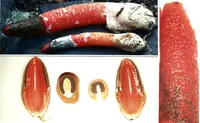
Devil's dipstick, Mutinus elegans, is a small stinkhorn fungus rather than a leafy houseplant. It produces slender, orange to pink, finger-like fruiting bodies that emerge from white, egg-like structures in soil or mulch. A dark, foul-smelling tip attracts flies, which spread its spores.

This species is typically found in woodlands, gardens, and mulched beds across eastern and central North America, especially in warm, humid seasons. It often appears suddenly in rich, organic, consistently moist soil.

Gardeners usually do not need to actively care for devil's dipstick, as it behaves like a wild decomposer, breaking down wood chips and other organic debris under partial shade to dappled light.

Main Plant Requirements

Care Difficulty

Moderate Care

Light Preference

Partial Shade

Water Requirements

Keep Soil Moist

Temperature Preference

Cool Climate

Hardiness Zone

5–9

Soil Texture

Loamy, Silty, Organic-rich

Soil pH

Acidic (5.5–6.5), Slightly acidic (6.5–7.0)

Soil Drainage

Moist but well-drained

Fertilization

Minimal (feed rarely)

Get Personalized Care Plan

Scan your plant to receive care tips personalized for your specific plant

Available on iOS and Android

How to Care for the devil's dipstick

This fungus naturally thrives in dappled woodland light rather than direct, open sun.

  • Provide 2–4 hours of soft morning sun or bright, filtered light under shrubs or trees, similar to a light woodland edge.
  • Allow partial to full shade during hot afternoons; strong midday sun can dry the substrate too quickly and reduce fruiting of devil's dipstick.
  • In summer, protect from prolonged direct sun, while in cooler seasons slightly brighter, indirect light helps support the underground mycelium.

This species prefers consistently moist, never waterlogged, woodland-like soil conditions.

  • Aim for soil that stays evenly damp; the top 2–3 cm should feel moist but not soggy when pressed between fingers.
  • In rainy seasons, rely mostly on natural moisture but ensure excess water drains away; in dry spells, water lightly whenever the surface starts to lose its damp feel.
  • Signs of excess water include standing puddles and foul anaerobic smell, while chronic dryness shows as cracked soil and reduced or absent Mutinus elegans fruiting.

This fungus is adapted to mild, temperate conditions typical of many deciduous woodlands.

  • Optimal fruiting occurs around 60–80°F (16–27°C), when soil moisture and warmth support active fungal growth near the surface.
  • It tolerates down to about 32°F (0°C) in the soil, but hard frost and frozen ground stop visible fruiting until temperatures warm again.
  • Short periods up to 85–90°F (29–32°C) are usually tolerated if soil stays moist and shaded, but prolonged heat and dryness sharply reduce fruiting bodies.

This fungus tolerates a wide humidity range and usually does not need special humidity management outdoors.

This saprophytic fungus thrives in loose, organic-rich, consistently moist substrates.

  • Use a deep layer of coarse leaf litter or wood chip mulch over native soil to mimic decaying forest floor conditions.
  • Ensure free drainage beneath mulch so water does not pool or create stagnant, anaerobic pockets around the mycelium.
  • Maintain soil that is slightly acidic to neutral, around pH 6.0–7.0, which supports active decomposition by microbes.
  • Avoid compacted, heavily tilled, or chemically treated areas, since these reduce organic matter breakdown and hinder Mutinus elegans colonization.

This species is not well suited to container growing, since it naturally spreads through soil and decomposing organic debris.

Mutinus elegans, or devil's dipstick, usually thrives in naturally rich, decaying organic matter and needs little to no added fertilizer.

Mutinus elegans requires almost no pruning because the fruiting bodies are short-lived fungi rather than permanent stems.

This fungus is best managed by establishing or adjusting its outdoor habitat rather than traditional repotting.

  • Transplant only if colonies appear where they are not wanted, moving associated leaf litter, compost, and underlying soil.
  • Work in cool, moist weather to reduce stress on the fungal mycelium, which is the main living body below ground.
  • Avoid disturbing the soil network repeatedly; excessive digging can weaken or disperse the mycelium too widely.
  • For containers, refresh organic mulch or woody debris every 1–2 years instead of changing pots.

Propagation of Mutinus elegans is largely passive and usually handled by natural spore dispersal rather than planned techniques.

Mutinus elegans is generally cold hardy in its suitable climate range and needs no special winter care.

Care Tips

Use decaying wood

Bury small chunks of well-rotted hardwood just below the soil surface in the patch to provide a steady food source that supports repeated fruiting of Mutinus elegans.

Leaf-litter topdressing

Maintain a loose 2–5 cm layer of leaf litter over the site to buffer moisture and temperature, but keep it airy so the fruiting bodies can emerge without deforming.

Gentle patch expansion

When a colony is established, move small spadefuls of colonized soil and duff to similar nearby spots in late fall or early spring to gradually expand the area without stressing the mycelium.

Limit soil disturbance

Avoid raking, digging, or heavy foot traffic where the fungus fruits, since repeated disturbance damages the mycelial network and can sharply reduce future flushes when growing devil's dipstick.

Timed cleanup practices

If odor is an issue in high-traffic areas, remove only the slimy spore-covered tips into a sealed bag shortly after they appear, leaving the underground structures and surrounding substrate undisturbed for future fruiting.

Common Pests and Diseases

fungus gnat larvae

This pest uses the moist, decaying organic matter around the fruiting body as a breeding site, and larvae can tunnel through young stinkhorn tissue. Symptoms include small flying gnats around the growth area and soft, damaged or collapsing fruiting structures.

Solution

Reduce excess surface moisture around the fungus, improve drainage, and remove heavily infested fruiting bodies to interrupt the life cycle. Yellow sticky traps help capture adults, and a soil drench with Bacillus thuringiensis israelensis (BTI) can target larvae in very organic or mulch-rich substrates where you grow Mutinus elegans intentionally.

slugs and snails

These insects feed on soft fungal tissue, leaving ragged edges, missing tips, and slime trails on or near the fruiting body. Damage is often worst overnight in damp, shaded sites with thick mulch or leaf litter.

Solution

Hand-pick slugs and snails in the evening, reduce dense ground cover right around desired fruiting sites, and use physical barriers such as copper tape or grit rings if cultivating this species in a defined bed. Iron phosphate slug baits can be used around, not on, fruiting bodies following label directions to protect non-target organisms.

moldy overgrowth (saprophytic molds)

This disease occurs when fast-growing molds colonize decaying gleba (spore mass) or older stalks, appearing as fuzzy white, gray, or green growth and causing premature collapse. Symptoms include rapid softening, discoloration, and a dull, dusty surface over the originally slimy spore layer.

Solution

Remove and discard excessively moldy fruiting bodies to reduce airborne mold spores around planned stinkhorn beds. Improve airflow, avoid piling thick, wet mulch directly on top of emerging fruiting sites, and keep irrigation moderate so the substrate stays moist but not waterlogged, which supports healthier Mutinus elegans care.

Interesting Facts

Carrion-mimicking odor

This fungus produces a strong smell similar to rotting meat, which attracts flies and other carrion-loving insects that spread its spores after landing on the slimy spore mass.

Rapid fruiting emergence

The fruiting body develops inside an underground egg-like structure and can expand to full height in just a few hours, driven by rapid water uptake and cell expansion rather than cell division.

Gleba-coated spore surface

Its spores are embedded in a dark olive-brown slimy layer called gleba that coats the upper portion of the stalk, encouraging insects to pick up and transport the spores as the gleba sticks to their bodies.

Botan icon

Did you know?

Mutinus elegans is widely reported as saprobic, meaning it feeds on decaying organic matter, and often appears in mulched garden beds, compost-rich soils, and wood chip areas where it plays an important role in breaking down complex plant debris into simpler nutrients.

FAQs about devil's dipstick

This fungus spreads by spores from its smelly slime, but it is usually not aggressive. It appears in nutrient-rich, moist mulch or wood chips and may cluster locally rather than take over large areas.

Grow Healthy Plants with Botan Care

Keep your plants happy and healthy with plant identification, disease detection, and easy care guidance.

Botan plant care app — identify plants on mobile

Explore More Plants