yew duster Care (Amylostereum laevigatum)

yew duster

About yew duster

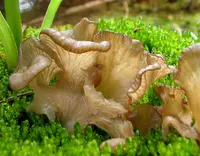
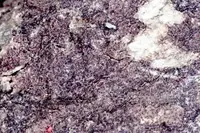
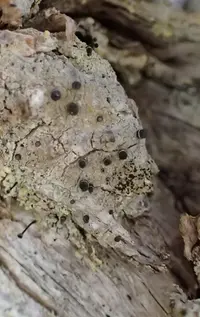
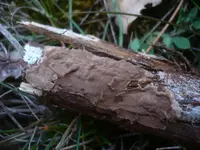
Amylostereum laevigatum, sometimes called yew duster, is a wood-decay fungus rather than a typical leafy houseplant. It forms flat, smooth crusts on dead or weakened conifer wood, especially yew, and contributes to natural wood decomposition in forests.

This species occurs mainly in temperate regions of the Northern Hemisphere, where it lives on bark and exposed wood rather than in soil. It is not commonly grown as an ornamental, and attempts to care for yew duster at home are uncommon and challenging because it needs specific host wood and stable, humid conditions.

In nature, it prefers cool, shaded sites with consistent moisture and access to suitable conifer hosts, where it slowly colonizes and breaks down woody tissue.

Main Plant Requirements

Care Difficulty

Moderate Care

Light Preference

Partial Shade

Water Requirements

Moderate Water

Temperature Preference

Warm Climate

Hardiness Zone

Unknown

Soil Texture

Loamy

Soil pH

Slightly acidic (6.5–7.0)

Soil Drainage

Well-drained

Fertilization

Minimal (feed rarely)

Get Personalized Care Plan

Scan your plant to receive care tips personalized for your specific plant

Available on iOS and Android

How to Care for the yew duster

This fungus associates with yew and other conifers and depends on stable, moderate light at the host surface.

  • Provide bright, indirect light or light dappled shade, similar to a north or east woodland edge receiving 2–4 hours of soft morning sun and no harsh afternoon sun.
  • Avoid full, exposed sun; strong midday light can overheat bark and dry substrates, reducing moisture needed for yew duster colonization.
  • In summer, use canopy shade or filtered light; in winter, slightly more open light is acceptable as long as bark does not desiccate.

Moisture conditions around the host wood are more important than direct watering of the fruiting bodies.

  • Maintain consistently moist but not waterlogged soil or mulch; allow the top 2–3 cm to partially dry before irrigation if in a managed bed.
  • Ensure excellent drainage around roots and woody debris; standing water, sour smells, or black, slimy bark indicate overwatering and poor aeration.
  • In warmer months, monitor more often for drying cracks in soil or mulch; in cool seasons, reduce watering frequency to avoid prolonged saturation near Amylostereum laevigatum.

Stable, cool to mild temperatures support reliable colonization and fruiting on conifer hosts.

  • Aim for 45–70°F (7–21°C) as an active growth range; growth slows in hotter conditions, especially when combined with low humidity.
  • Protect colonized wood from hard freezes below about 20°F (-7°C), which can damage living tissues, and from rapid freeze–thaw cycles that crack bark.
  • Limit exposure to extended heat above 80–85°F (27–29°C); provide shade and organic mulch to buffer temperature swings around the substrate.

This fungus does not have specific humidity needs in typical outdoor conditions and usually tolerates a wide range of ambient moisture levels.

This wood-decaying fungus relies on the moisture and structure of its woody substrate rather than conventional potting soil.

  • For cultivation, embed inoculated wood pieces in a coarse, organic-rich medium made from chipped hardwood, bark fines, and leaf mold to mimic natural substrates.
  • Keep the medium consistently moist but not waterlogged by mixing in 20–30% coarse sand or perlite to improve drainage around the wood pieces.
  • Maintain a slightly acidic to neutral environment, roughly pH 5.5–7.0, by avoiding alkaline amendments such as excessive lime or high-pH composts.
  • Do not use dense, clay-based garden soil, as it restricts aeration and slows colonization of Amylostereum laevigatum mycelium through the woody material.

This species is not typically suited to container growing, as it naturally colonizes wood rather than forming a conventional root system in potting media.

This fungus lives on host wood and usually does not need supplemental fertilizer in garden settings.

Pruning needs for Amylostereum laevigatum focus on managing the colonized host branches rather than the fungus itself.

  • Carry out structural pruning of the host tree or shrub in late winter or very early spring before active growth.
  • Remove dead, cracked, or heavily colonized branches using clean, sharp bypass pruners or a pruning saw.
  • Thin crowded interior branches of the host to improve airflow and light penetration, which can limit further fungal spread.
  • Disinfect tools with alcohol between cuts to reduce movement of fungal spores to uninfected wood.

This wood-decay fungus is not maintained as a potted specimen, so attention centers on managing or removing infected woody hosts rather than repotting.

  • Transplant young host trees only during dormancy (late fall or early spring) to reduce stress and potential spread of fungal inoculum.
  • Inspect roots and lower stems for decay; discard severely compromised plants instead of transplanting them.
  • If moving a mildly affected host, remove infected branches and as much colonized dead wood as possible before transplanting.
  • Water the transplanted host deeply and maintain even moisture while avoiding waterlogging, which favors additional fungal decay.

Intentional propagation of this decay-causing fungus is generally avoided in gardens and managed landscapes.

Outdoor populations in temperate regions are typically cold hardy and need no deliberate winter care from gardeners.

Care Tips

Sterile tool handling

When cutting or removing colonized wood, disinfect blades with 70% isopropyl alcohol between trees to reduce the spread of Amylostereum laevigatum to non-target hosts.

Controlled substrate selection

Use only clean, debarked, and similarly aged conifer wood for inoculation so the fungus colonizes evenly and you can compare growth performance across logs.

Moisture monitoring blocks

Insert a few small, untreated wooden dowels into the log ends and check them periodically; if they feel very dry to the touch, rehydrate the log before the mycelium slows or stalls.

Shaded airflow management

Position colonizing wood where it receives constant shade plus gentle cross-ventilation, such as under a slatted bench or open-sided shed, to limit overheating and surface mold without drying the wood core.

Batch labeling system

Label each log or wood batch with tree species, inoculation date, and source so long-term observations on growing yew duster can be linked to specific host and age conditions.

Common Pests and Diseases

White pine bark beetle

This pest is a known vector that carries spores of the fungus into living conifers through galleries under the bark. Symptoms include resin bleeding, small entry holes, and patches of dead bark where the fungus can establish.

Solution

Monitor host conifers for fresh boring dust, resin flow, and small round holes, then promptly remove and destroy heavily attacked branches or trees to reduce beetle and fungal spread. Use region-appropriate bark beetle traps or targeted trunk sprays during peak flight periods, combined with maintaining tree vigor through proper watering and avoiding mechanical damage.

Woodwasp infestation

These insects, particularly pine woodwasps, introduce fungal spores while laying eggs in stressed or recently dead conifers. Symptoms include larval tunnels in the wood, wilting or browning needles, and rapid decline in affected sections of the tree.

Solution

Identify and remove infested or dying trees and larger branches as early as possible and dispose of the wood away from healthy conifers to break the insect–fungus cycle. Avoid storing fresh conifer logs near living trees, and when practical, debark or chip infested material so it dries quickly and becomes unsuitable for woodwasp development.

Resin-soaked canker

This disease develops where the fungus colonizes wounds or insect galleries, causing localized cankers with resin-soaked, discolored sapwood and bark death. Symptoms include oozing resin, sunken or cracked bark patches, and eventual girdling of small branches or stems.

Solution

Cut out and remove affected twigs and branches several inches below visible symptoms using clean, sharp tools, then disinfect tools between cuts with alcohol or a bleach solution. Reduce new infections by limiting bark injuries, timing pruning for dry weather, and keeping trees unstressed with appropriate watering and soil management.

Sapwood decay

This disease phase occurs as the fungus spreads within the sapwood, breaking down structural tissues and leading to internal rot in stems or branches. Symptoms include reduced growth, dieback in the crown, and, in advanced cases, brittle wood that breaks easily in wind.

Solution

Inspect trees regularly for crown thinning, dieback, and suspicious cracking, and remove severely decayed stems or entire trees that pose a safety risk. Improve stand health by thinning overly dense plantings, avoiding soil compaction, and promptly removing storm-damaged or cut material that can act as a reservoir for fungal spread and insect vectors.

Interesting Facts

Symbiosis with woodwasps

This fungus forms a tight mutualistic relationship with certain Sirex woodwasps, living in special structures in the wasp’s body and being injected into trees along with the insect’s eggs.

Tool of tree invasion

It helps Sirex woodwasps kill or severely weaken conifer trees by decaying the wood and altering tree defenses, which in turn provides food for the wasp larvae.

Global spread via timber

Originally associated with conifer forests in the Northern Hemisphere, it has spread to the Southern Hemisphere through movement of infested timber and wood packaging, where it contributes to Sirex woodwasp outbreaks in pine plantations.

Botan icon

Did you know?

This species carries specific bacterial partners that can inhibit other competing fungi in the wood, giving the Amylostereum–Sirex symbiosis a strong competitive advantage inside infested trees.

FAQs about yew duster

This is a perennial wood-decaying fungus that returns from the same substrate each year as long as suitable dead conifer wood and moisture are available. Individual fruiting bodies are short-lived, but the underlying organism persists.

Grow Healthy Plants with Botan Care

Keep your plants happy and healthy with plant identification, disease detection, and easy care guidance.

Botan plant care app — identify plants on mobile

Explore More Plants