Dotted-stalked Suillus Care (Suillus granulatus)

Also known as: Weeping Bolete
Dotted-stalked Suillus

About Dotted-stalked Suillus

Dotted-stalked Suillus (Suillus granulatus) is a mycorrhizal mushroom, not a typical houseplant, forming a symbiotic partnership with pine tree roots. It usually appears in dense groups around pines in forests, parks, or plantations.

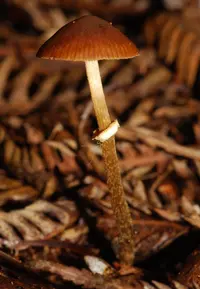
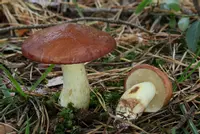
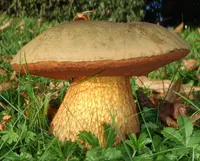
Caps are smooth, sticky when wet, and warm brown, with a yellow pore surface underneath instead of gills. The stem is pale with fine dots of brown granules, which give the species its common name.

This fungus relies on living pine hosts, so it cannot be grown like an independent potted plant. Anyone wanting to learn how to care for Dotted-stalked Suillus needs to focus on providing suitable pine habitat and undisturbed soil rather than direct mushroom care.

Main Plant Requirements

Care Difficulty

Moderate Care

Light Preference

Partial Shade

Water Requirements

Regular Water

Temperature Preference

Cool Climate

Hardiness Zone

2–9

Soil Texture

Sandy, Loamy, Organic-rich

Soil pH

Acidic (5.5–6.5)

Soil Drainage

Moist but well-drained

Fertilization

Minimal (feed rarely)

Get Personalized Care Plan

Scan your plant to receive care tips personalized for your specific plant

Available on iOS and Android

How to Care for the Dotted-stalked Suillus

This ectomycorrhizal mushroom prefers bright, open woodland conditions with moderated sun exposure.

  • Provide 3–6 hours of gentle morning or late-afternoon sun filtered through pine or mixed forest canopy, avoiding harsh midday exposure in open areas.
  • Allow light partial shade for much of the day; Dotted-stalked Suillus fruits best where scattered light reaches the forest floor rather than in deep shade.
  • In hot summers, protect developing fruiting bodies from intense direct sun to reduce drying and cracking, while in spring and fall slightly more sun can improve fruiting.

Suillus granulatus develops best in consistently moist but not waterlogged soil around its host trees.

  • Aim for soil that feels evenly moist 5–8 cm below the surface; if it is dry and crumbly at that depth, recent rains or supplemental water are needed.
  • Use well-drained, sandy or loamy soil so excess water percolates away, since standing water and soggy conditions promote root and mycelium rot.
  • In cooler seasons, reduce watering frequency as evaporation slows; signs of overwatering include sour odor and persistently slimy soil, while shrinking or cracking caps indicate dryness.

This species fruits most reliably in cool to mild conditions typical of temperate forests.

  • Optimal fruiting usually occurs around 55–70°F (13–21°C), with mycelium growth continuing over a broader range when soil stays moist.
  • Suillus granulatus mycelium can tolerate down to about 25–30°F (-4– -1°C) in soil, but hard, prolonged freezes can damage shallow layers and reduce future fruiting.
  • In warm regions, short periods up to 80–85°F (27–29°C) are tolerated if soil stays cool and shaded; sustained higher temperatures often suppress mushroom formation.

Humidity is not a significant factor for Suillus granulatus, which is adapted to outdoor forest conditions.

Suillus granulatus relies on specific outdoor soil conditions and does not adapt well to artificial potting mixes.

  • Prefers light, sandy to sandy-loam soil with plenty of pine litter, mimicking natural conifer forest floors.
  • Requires fast drainage; avoid compacted or clay-heavy sites that hold water and create anaerobic conditions around the mycelium.
  • Performs best in slightly acidic soil, around pH 4.5–6, often under pines where acidic needle litter accumulates.
  • To encourage fruiting, maintain a loose, aerated surface layer by mixing in fine sand and well-decomposed pine litter rather than dense compost.

This species is not suitable for container growing because it depends on complex mycorrhizal relationships with living pine roots in open soil.

This ectomycorrhizal fungus relies mainly on its tree host for nutrients, so direct fertilization is usually unnecessary.

Suillus granulatus fruiting bodies do not need structural pruning, but minimal hygiene management is useful around host trees.

  • Remove only decaying or moldy mushrooms with a clean knife to limit rot and spore buildup.
  • Trim nearby dead plant litter lightly if it smothers emerging caps, keeping the mycelium zone undisturbed.
  • Avoid raking or digging deeply around the host tree roots to preserve the fungal network.

This fungus is best maintained in the ground with its pine host, so focus on gentle transplanting of young host trees rather than moving the fungus itself.

  • Transplant when a pine seedling outgrows a small container or shows roots circling the pot and slowed shoot growth.
  • Move seedlings in early spring or early fall, when temperatures are mild and moisture is reliable.
  • Transplant every 2–3 years at most, stepping up only 1 pot size or into open ground with compatible soil.
  • Keep the root ball intact, water thoroughly after planting, and shade lightly for 3–5 days to reduce transplant stress.

Propagation of Suillus granulatus is specialized and usually left to natural spore spread and mycorrhizal association with pines.

Established Suillus granulatus in association with hardy pines tolerates typical outdoor winter conditions in temperate climates and needs little targeted care.

Care Tips

Host tree selection

Plant near compatible pine species such as Pinus sylvestris or P. strobus, as this fungus depends on forming mycorrhizal partnerships with young, actively growing pines for reliable fruiting.

Mulch management

Maintain a 2–5 cm layer of loose pine needles or coarse wood chips over the colonized area to stabilize soil moisture, but keep the mulch airy and not compacted so gas exchange and fungal growth are not restricted.

Gentle harvesting

Cut mushrooms at the base with a clean knife instead of pulling them up, and cover the cut area lightly with soil or needles to protect the underlying mycelium and encourage future flushes when growing Dotted-stalked Suillus.

Traffic control

Limit foot traffic, raking, and pet activity directly over colonized zones, since compacted soil reduces aeration and can damage the shallow mycelial network that supports future mushroom production.

Targeted watering zones

When irrigating host pines during dry periods, apply water in a wide ring under the dripline rather than at the trunk, as this is where most fine roots and associated mycorrhizae of Suillus granulatus are concentrated.

Common Pests and Diseases

Mycoacia uda parasitism

This disease is caused by the corticioid fungus Mycoacia uda, which parasitizes the fruiting bodies and gradually destroys the pore surface. Symptoms include whitish, resupinate patches or crust forming over or adjacent to caps and tubes, leading to rapid deterioration.

Solution

Remove and discard affected fruiting bodies promptly to reduce local spore load, and avoid handling or transporting parasitized mushrooms to new sites. Limit mechanical disturbance in the area and maintain good aeration around the fruiting zone so caps dry more quickly after rain, which reduces opportunities for this parasite to spread.

Armillaria root disease

This disease results from infection of the host pine roots by Armillaria species, which indirectly impacts Suillus granulatus by degrading its mycorrhizal partner. Symptoms include declining or dying pines, resin exudation at the base, and white fungal fans under bark.

Solution

Remove severely infected trees and major stumps where practical, and avoid replanting highly susceptible conifers in the same spot. Promote tree vigor through appropriate spacing, avoiding soil compaction, and managing water so soil is moist but not waterlogged, which supports healthier mycorrhizal networks important for growing Dotted-stalked Suillus.

Scleroderris canker

This disease, caused by Gremmeniella abietina on pines, damages shoots and branches and reduces overall tree health, which in turn suppresses Suillus granulatus fruiting. Symptoms include shoot dieback, cankers on stems, and sparse, discolored needles.

Solution

Prune and destroy infected shoots and branches during dry weather, cutting back into healthy tissue to slow disease progress. Favor site conditions that support strong pine growth, and where forestry-scale management is relevant, choose resistant pine stock and avoid establishing new plantations in known high-risk sites.

Fungivorous fly larvae

These insects are the larvae of mushroom gnats and related flies that tunnel through caps and stems, making fruiting bodies soft, discolored, and riddled with galleries. This pest often causes rapid spoilage of mushrooms soon after they emerge.

Solution

Harvest fruiting bodies early, shortly after they reach maturity, to reduce the chance of heavy larval infestation. For small-scale collections, avoid leaving damaged or overmature mushrooms on site, and use fine mesh or breathable containers during short-term holding so adults are less able to oviposit directly on moist caps.

Slugs and snails

These pests feed on the soft tissue of young caps and stipes, leaving irregular holes, slime trails, and partial or complete destruction of fruiting bodies. Damage is often worst in damp, shaded areas after rain.

Solution

Hand-pick slugs and snails during cool, moist periods and remove them from the site, and avoid leaving boards, dense debris, or thick weed mats that provide daytime refuges. Where control is needed near paths or managed beds, use collars, copper barriers, or carefully placed iron phosphate baits away from non-target wildlife to reduce grazing pressure on emerging mushrooms.

Interesting Facts

Milk-drop pore droplets

Fresh fruiting bodies often exude milky droplets from their pores, especially in humid weather. These liquid beads are a mix of water and dissolved metabolites and help distinguish it from similar bolete species in the field.

Specialist pine partner

This species forms ectomycorrhizal associations almost exclusively with pine trees, especially two-needle pines. Its underground mycelium wraps around fine roots and improves water and nutrient uptake in exchange for sugars from the host tree.

Slimy, quickly peeling cap

The cap surface is strongly viscid when moist and can feel sticky to the touch. The thin cuticle peels away easily, which is a practical identification and preparation feature often noted by mushroom foragers.

Botan icon

Did you know?

Suillus granulatus is one of the earliest described boletes from Europe and served as a model species for early research on ectomycorrhizal symbiosis, helping scientists understand how fungal partners support conifer forests in nutrient-poor soils.

FAQs about Dotted-stalked Suillus

This mushroom is considered edible and is commonly collected, but quality is moderate. The slimy cap skin and tubes are usually removed before cooking. Always be 100% sure of identification and avoid polluted or roadside sites.

Grow Healthy Plants with Botan Care

Keep your plants happy and healthy with plant identification, disease detection, and easy care guidance.

Botan plant care app — identify plants on mobile

Explore More Plants