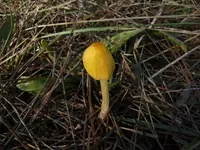
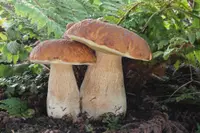
Bark Bonnet Care (Phloeomana speirea)

Bark Bonnet

About Bark Bonnet

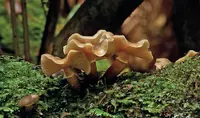
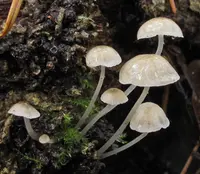
Bark bonnet (Phloeomana speirea) is a small, delicate wood-inhabiting fungus rather than a typical leafy houseplant. It forms clusters of tiny, pale caps on decaying bark and twigs. The fruiting bodies are thin and short-lived, appearing in cool, damp conditions.

This species is found mainly in temperate forests, especially in Europe and North America, where it helps break down dead woody material. It is not suited to standard indoor cultivation and is best appreciated in natural or woodland-style outdoor settings.

Those who care for Bark Bonnet in a garden context usually focus on maintaining moist, shaded, woody habitats rather than tending individual specimens.

Main Plant Requirements

Care Difficulty

Moderate Care

Light Preference

Partial Shade

Water Requirements

Moderate Water

Temperature Preference

Warm Climate

Hardiness Zone

Unknown

Soil Texture

Loamy

Soil pH

Slightly acidic (6.5–7.0)

Soil Drainage

Well-drained

Fertilization

Minimal (feed rarely)

Get Personalized Care Plan

Scan your plant to receive care tips personalized for your specific plant

Available on iOS and Android

How to Care for the Bark Bonnet

This small woodland fungus prefers soft, filtered light rather than intense direct sun.

  • Aim for 2–4 hours of gentle morning sun with bright dappled shade or full shade for the rest of the day when growing Bark Bonnet near forest edges or shaded gardens.
  • Place it where tree canopies or shrubs break up direct rays, avoiding strong midday and afternoon sun that can dry the substrate and inhibit fruiting.
  • In summer, increase shade when light intensifies; in autumn and early spring, slightly more open, indirect light helps support healthy fruit body development.

This saprophytic fungus depends on consistently moist, not waterlogged, woody substrate.

  • Use a coarse, well‑drained, woody medium that holds moisture but does not stay soggy; free water pooling around the base often leads to decay and reduced fruiting.
  • Before rehydrating logs or substrates, let the outer 2–5 cm feel just barely dry to the touch, then moisten evenly until damp throughout without dripping.
  • During warm, windy weather, monitor more often, watching for shriveling or pale caps as signs of dryness and slimy, collapsing tissue as evidence of excess moisture in Phloeomana speirea.

This fungus thrives in cool to mild conditions and dislikes temperature extremes.

  • Optimal fruiting usually occurs around 50–68°F (10–20°C), with slow but steady development in shaded woodland or similarly cool, sheltered sites.
  • It tolerates brief drops near 32°F (0°C) but repeated hard frosts below 28°F (-2°C) can damage fruit bodies, so rely on insulating leaf litter or woody cover.
  • Higher temperatures above 77°F (25°C), especially with dry air, shorten fruit body life; cooler, stable autumn or spring conditions tend to support longer, more consistent displays.

This small saprotrophic mushroom prefers consistently moist, humid air rather than dry indoor conditions.

  • Aim for 60–80% humidity around Bark Bonnet, especially during active fruiting and in heated or air-conditioned spaces.
  • Dry air leads to shriveling caps, cracked margins, and stalled fruiting bodies, indicating insufficient atmospheric moisture.
  • Increase humidity by misting the immediate area, using a humidity tent or clear tub with vents, and avoiding direct airflow from fans.

Phloeomana speirea develops best on loose, moist, well-aerated substrates that mimic decaying woodland material.

  • Use a fine, crumbly mix based on decayed wood, leaf mold, or hardwood sawdust blended with 20–30% inert structure such as vermiculite or perlite.
  • Ensure rapid drainage so the substrate stays evenly moist but never waterlogged, which encourages bacterial growth and anaerobic (oxygen-poor) conditions.
  • Keep pH slightly acidic to neutral, around 5.5–7.0, by avoiding lime-heavy ingredients and favoring leaf mold or conifer bark additions.
  • Avoid dense garden soil, heavy clay, or compacted peat that limit air spaces and slow colonization of the substrate.

This species can be grown in containers if the substrate and vessel are managed to stay moist yet well-aerated.

  • Choose a shallow, wide container to spread the colonized substrate in a thin layer, which improves gas exchange and surface fruiting.
  • Select a rigid plastic or polypropylene tub with small side vents to retain humidity while still allowing some fresh air movement.
  • Elevate the container slightly above a tray so any drained water clears quickly, preventing the base from sitting in constant moisture.

Phloeomana speirea, sometimes called Bark Bonnet, usually grows on nutrient-poor substrates and needs little or no additional fertilizer in cultivation.

Phloeomana speirea needs no structural pruning, but light sanitation keeps fruiting bodies healthier and more visible.

  • Inspect at the end of the main fruiting period and again in early spring.
  • Remove dead, slimy, or decayed host wood around fruiting clusters with clean hand pruners or a small saw.
  • Thin heavily crowded, crossing twigs on the host shrub or tree to improve air movement and light.
  • Disinfect tools with alcohol between cuts to limit spread of wood-decay organisms.

This fungus is usually established outdoors on dead or declining wood, so management focuses on relocating colonized material rather than true repotting.

  • Transplant only if the current log or branch is decomposed, unstable, or poorly placed for observation.
  • Move during cool, moist weather in fall or early spring to reduce desiccation stress on the mycelium.
  • Cut or saw a manageable section of colonized wood, disturbing it as little as possible.
  • Place the piece on similarly decayed wood in a shaded, humid site and water lightly to settle it in.

Propagation of Phloeomana speirea is specialized and usually left to experienced growers or researchers.

Phloeomana speirea is cold hardy in typical temperate climates and normally requires no special winter care.

Care Tips

Substrate choice

Use small pieces of well-decayed hardwood with intact bark rather than fresh logs, as older wood with softened outer layers is easier for the fungus to colonize and fruit on.

Moisture buffering

Stack or partially bury the wood substrate so only 50–70% of each piece is exposed, which slows drying and maintains a stable moisture level around the mycelium.

Sheltered placement

Place the colonized wood in a wind-sheltered, north- or east-facing spot where air still moves gently, reducing desiccation of the fruiting bodies while limiting stagnant, mold-prone conditions.

Clean handling

When moving or cutting colonized wood, use a clean, sharp tool and avoid touching cut faces with bare hands to reduce contamination and physical damage to the mycelium.

Observation logging

Keep simple notes on dates, weather, and appearance of fruiting bodies, as tracking these patterns over one or more seasons helps refine how to take care of Bark Bonnet in a specific microclimate.

Common Pests and Diseases

Slug grazing

This pest feeds on the soft fruiting bodies, leaving irregular bites, shredded margins, and slime trails on bark or nearby moss and litter. Damage is usually cosmetic but can disfigure young clusters in damp, mild weather.

Solution

Hand-pick slugs during cool, wet evenings and reduce nearby hiding places such as dense ground litter or boards in direct contact with the soil. Where pressure is high, use iron phosphate slug pellets sparingly around but not directly on the mushrooms, and avoid metaldehyde products that harm wildlife.

Springtail feeding

These insects sometimes concentrate in very moist microhabitats around the fungus, nibbling at the surface and causing fine pitting or a frosted look on caps. Symptoms include small surface scars rather than deep holes, usually appearing during prolonged wet periods.

Solution

Reduce excess surface moisture by improving air movement around the host bark and avoiding constant water splash onto the fruiting area. If numbers are high, gently rinse the affected area with clean water to dislodge insects and allow the substrate to dry slightly between wetting events so the colony declines naturally.

Mite infestation

This pest can colonize the gills and cap surface, creating a dusty or speckled appearance and sometimes leading to partial collapse of delicate tissues. Symptoms include fine movement on close inspection and patchy thinning of the hymenial (spore-bearing) surface.

Solution

Use a strong but gentle stream of water to wash mites off the fruiting bodies and adjacent bark, taking care not to tear the caps. In enclosed culture or display setups, lower humidity slightly, increase airflow, and remove heavily infested clusters to reduce the local population without resorting to chemical miticides.

Bacterial blotch

This disease causes water-soaked, greasy-looking spots or streaks on caps that may turn yellow-brown and soften. Symptoms include a slimy feel in persistently wet, stagnant conditions, especially after overhead wetting that does not dry quickly.

Solution

Limit direct water splash on the fruiting bodies, water earlier in the day so surfaces dry, and increase airflow around the host substrate. Remove and discard badly affected clusters to reduce bacterial load, and clean nearby non-living surfaces with a mild soap solution followed by clear water to lower contamination.

Competitive mold overgrowth

This disease is caused by fast-growing molds that colonize the same substrate, forming white, gray, or green fuzzy patches that smother young fruiting bodies. Symptoms include stalled or deformed mushrooms emerging from a mat of mold, especially where organic debris accumulates and stays wet.

Solution

Carefully cut away and discard moldy substrate and any overgrown clusters, avoiding disturbance that spreads spores. Improve hygiene by removing decaying plant debris, increase air circulation, and reduce continuous surface wetness so the host fungus maintains a competitive advantage over opportunistic molds in line with Phloeomana speirea plant care best practices.

Interesting Facts

Tiny bark specialist

This mushroom is a very small, delicate agaric that typically fruits directly from the bark of twigs and small branches rather than from soil or leaf litter, which helps distinguish it from many similar brownish mushrooms.

Distinctive spore print

It produces a white spore print, a key microscopic feature used by mycologists to separate it from related bark-dwelling fungi with pinkish or darker spores.

Recent taxonomic placement

The species was placed in the genus Phloeomana relatively recently, after molecular studies showed that several small bark-dwelling mushrooms did not belong in their traditional genera and needed reclassification based on DNA evidence.

FAQs about Bark Bonnet

This fungus usually forms small, scattered clusters on decaying bark rather than large continuous patches. It does not behave aggressively and rarely covers extensive areas unless conditions are consistently cool, moist, and rich in woody debris.

Grow Healthy Plants with Botan Care

Keep your plants happy and healthy with plant identification, disease detection, and easy care guidance.

Botan plant care app — identify plants on mobile

Explore More Plants