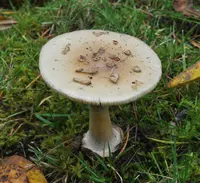
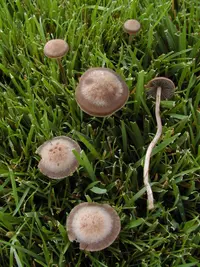
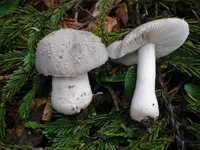
Austral Honey Mushroom Care (Armillaria novae-zelandiae)

Austral Honey Mushroom

About Austral Honey Mushroom

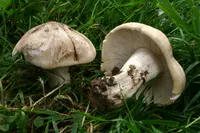
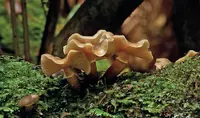
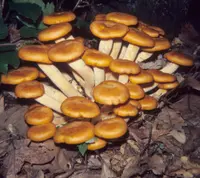
Austral honey mushroom, Armillaria novae-zelandiae, is a wood-decaying fungus rather than a leafy plant. It typically forms dense clusters of honey-colored caps with pale gills on buried or exposed wood.

In nature it occurs mainly in New Zealand and parts of Australia, where it colonizes living and dead trees and can behave as a root pathogen. This habit makes it important in forest ecology but challenging in gardens, since it can weaken or kill host trees.

It is not a typical choice for home cultivation, and it is difficult to manage in soil once established. Those who want to learn how to care for Austral Honey Mushroom usually focus on preventing its spread rather than promoting its growth.

Main Plant Requirements

Care Difficulty

Moderate Care

Light Preference

Partial Shade

Water Requirements

Regular Water

Temperature Preference

Cool Climate

Hardiness Zone

8–10

Soil Texture

Loamy, Silty, Organic-rich

Soil pH

Acidic (5.5–6.5), Slightly acidic (6.5–7.0)

Soil Drainage

Moist but well-drained

Fertilization

Minimal (feed rarely)

Get Personalized Care Plan

Scan your plant to receive care tips personalized for your specific plant

Available on iOS and Android

How to Care for the Austral Honey Mushroom

This wood-decaying fungus prefers low to moderate light similar to a shaded forest floor.

  • Provide dappled or filtered light with no more than 1–3 hours of weak morning sun; avoid direct midday and afternoon sun that can dry the substrate.
  • Site the colony in partial to full shade under trees or shrubs, mimicking natural Austral Honey Mushroom conditions where leaf litter softens light.
  • In summer, shield from harsh sun using canopy cover; in winter, indirect bright light is acceptable as long as the substrate does not heat or dry out.

This fungus relies on consistently moist, not waterlogged, substrate around host roots or woody material.

  • Maintain evenly moist soil or wood; allow only the top 1–2 cm to lose surface dampness before rewetting, avoiding complete drying of the substrate.
  • Ensure excellent drainage so water does not pool; persistent standing water, sour odor, or slimy mycelium suggests overwatering and poor aeration.
  • During warm, dry periods, check moisture daily and irrigate when the substrate feels barely damp; in cool, wet seasons, reduce added water and rely more on rainfall around Armillaria novae-zelandiae hosts.

This species grows best in cool to mild conditions typical of shaded woodland environments.

  • Aim for an active growth range of about 50–68°F (10–20°C), which supports steady mycelial activity and reliable fruiting when moisture is adequate.
  • The fungus tolerates short dips near 32°F (0°C) in dormant wood but repeated hard freezes below 25°F (-4°C) can damage surface mycelium and fruiting bodies.
  • High heat above 77–82°F (25–28°C), especially combined with dry air or sun-exposed wood, slows growth and may desiccate tissue, so favor cool, shaded microclimates year-round.

Humidity is not a primary factor for this wood-decaying fungus compared with substrate moisture.

  • Targets around 60–80% ambient humidity help prevent fruiting bodies from drying while still limiting surface mold.
  • Austral Honey Mushroom tolerates short dips to 40–50% if the substrate itself remains evenly moist, not wet.
  • Low humidity stress shows as caps cracking or edges curling; increase humidity by lightly misting nearby air, not soaking the logs.

This fungus relies more on colonizing woody material than on conventional soil structure.

  • Use a loose, organic-rich substrate of hardwood logs, buried wood, or wood chips rather than a standard potting medium.
  • Maintain free drainage under and around the wood so excess water runs off and air can reach the mycelium, the white fungal network.
  • Armillaria novae-zelandiae tolerates a wide pH, roughly 5.5–7.5, provided the substrate stays aerated and does not remain waterlogged.
  • Avoid compacted mineral soil, heavy clay, or substrates mixed with fresh manure, which restrict oxygen and favor competing microbes.

This species is generally unsuitable for container growing beyond experimental or short-term cultivation.

Armillaria novae-zelandiae, often called Austral Honey Mushroom, normally does not need supplemental fertilizer on established host trees.

Pruning is not a standard management practice for Armillaria novae-zelandiae, which lives as a root-decaying fungus rather than a shaped ornamental plant.

Transplanting focuses on managing infected host material rather than moving Armillaria novae-zelandiae as a cultivated specimen.

  • Consider removal or replacement of heavily infected shrubs or trees when decline, extensive root rot, or trunk lesions are visible.
  • Plan any transplanting of new host plants in cool, moist seasons, avoiding hot, dry periods that increase transplant stress.
  • Excavate carefully around roots of replacement plants, placing them in fresh, uninfested soil with good drainage.
  • Dispose of severely colonized stumps and major roots off-site to reduce inoculum levels before replanting.

Deliberate propagation of Armillaria novae-zelandiae is rarely recommended, since this fungus is an aggressive root pathogen of many woody plants.

This species is naturally cold hardy in its range and usually needs no special winter care from a cultivation perspective.

  • Expect the fungus to persist in infected roots and stumps through winter, resuming activity in warmer, moist conditions.
  • Maintain good drainage around susceptible trees so winter-saturated soils do not favor further root decline.
  • Avoid wounding trunks and roots during wet, cold weather, as fresh wounds can be more vulnerable to infection.

Care Tips

Host stump preparation

For reliable fruiting, inoculate freshly cut, disease-free stumps or large hardwood logs within 2–4 weeks of felling, drilling a tight grid of holes and sealing spawn with wax to reduce contamination by other fungi.

Moisture collar setup

After inoculation, pack leaf litter or wood chips around the stump base in a 10–15 cm collar and keep this layer evenly moist to protect mycelium from drying and to buffer against short dry spells.

Controlled shade management

Install temporary shade cloth (40–60%) above new beds and gradually open it over 1–2 seasons, as this species fruits more consistently under stable, dappled light than in full, shifting sun–shade patterns.

Fruiting flush hygiene

Harvest clusters as soon as caps open and remove any decaying mushrooms and nearby debris to limit attraction of fungus gnats and reduce secondary molds on later flushes.

Site containment planning

When caring for Austral Honey Mushroom, confine inoculated wood to a defined bed with a surrounding gravel or paved barrier and avoid placing infected wood near living trees, since this species can act as a wood-decay pathogen under some conditions.

Common Pests and Diseases

Parasitic competition on hosts

This disease affects trees and shrubs that Austral honey mushroom colonizes, leading to progressive decline of the host’s roots and lower trunk. Symptoms include yellowing foliage, reduced growth, canopy dieback, and eventual death of host plants around the fungal patch.

Solution

Manage by promptly removing and destroying severely infected host plants, including as much root material as possible, and avoid replanting highly susceptible trees in the same area. Maintain host plant vigor with proper watering and mulching, and, where practical, install physical barriers in soil to limit spread of rhizomorphs from infected zones when planning new plantings near established Armillaria novae-zelandiae colonies.

Rhizomorph overgrowth

This disease phase occurs when thick black or dark brown cord-like rhizomorphs spread extensively through soil and along roots, increasing the fungus’s range and pressure on nearby hosts. Symptoms include rapid expansion of bare or declining patches in woodland, orchard, or shelterbelt plantings.

Solution

Limit spread by physically trenching around valuable trees to sever rhizomorph networks and removing colonized stumps and large roots that act as reservoirs. When establishing new plantings in areas known for Armillaria activity, select resistant or less susceptible species and avoid leaving fresh stumps or large woody debris that encourage rhizomorph growth.

Mycelial fan infection

This disease stage is characterized by white, fan-shaped mycelial sheets under the bark of infected roots and lower stems of host plants. Symptoms include loose bark near the soil line, resin or sap exudation on some hosts, and strong mushroom odor when bark is peeled back.

Solution

In early or localized cases, carefully expose the root collar and upper roots of high-value trees to air and light, which slows mycelial spread, and remove small infected roots where feasible. In heavily colonized hosts, removal of the entire plant and stump is usually the only effective long-term control, followed by careful site sanitation before replanting with tolerant species.

Secondary wood-boring beetles

These insects often colonize weakened or dying trees that have been stressed or killed by Armillaria, accelerating structural decay. Symptoms include small exit holes in bark, frass (fine sawdust) deposits, and increased breakage of branches or trunks in affected stands.

Solution

Reduce beetle pressure by promptly removing and chipping or burning severely weakened or dead trees and large branches that serve as breeding sites. For retained high-value trees near known Armillaria patches, maintain good vigor with adequate water and avoid trunk wounds, and consider periodic inspection by an arborist to remove infested material before beetle populations build up.

Interesting Facts

New Zealand specialist

This honey fungus is naturally restricted to New Zealand, where it is one of the most widespread native Armillaria species in both native forests and planted stands.

Bioluminescent wood rot

Its underground mycelium and infected wood can show faint bioluminescence, a cold greenish light produced by chemical reactions in fungal tissues as it decomposes wood.

Broad host infection

The species is a major root‑rot pathogen of many New Zealand trees, including native species and commercial plantation hosts such as radiata pine, causing tree decline and death through root and lower stem decay.

Botan icon

Did you know?

Genetic studies have shown that individual underground colonies of this species can extend across large areas in New Zealand forests, indicating that some single clones may be both very old and spatially extensive, linked by networks of rhizomorphs spreading through the soil.

FAQs about Austral Honey Mushroom

This species spreads very aggressively through underground rhizomorphs that infect living roots and stumps. In gardens, it can move from one woody plant to another, potentially killing trees and shrubs over time if not contained or removed.

Grow Healthy Plants with Botan Care

Keep your plants happy and healthy with plant identification, disease detection, and easy care guidance.

Botan plant care app — identify plants on mobile

Explore More Plants