Conocybe rugosa Care

Conocybe rugosa

About Conocybe rugosa

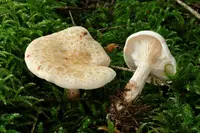
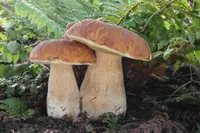
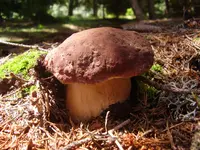
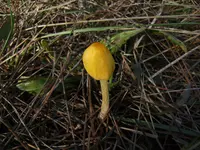
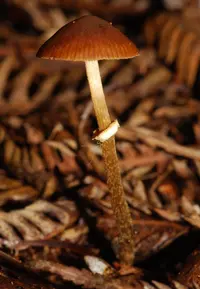
Conocybe rugosa is a small, delicate mushroom rather than a leafy houseplant. It produces thin, fragile stems with pale to tan conical caps that often appear in short-lived clusters. The caps may show a slightly wrinkled or textured surface, which gives the species its name.

This fungus typically occurs in nutrient-rich soil, lawns, garden beds, and compost-rich areas, especially in warm, moist conditions. It can appear suddenly after rain and then disappear quickly. Because it is not a true ornamental plant and has specific moisture and substrate needs, it is not considered easy to cultivate intentionally, and attempts to care for Conocybe rugosa are usually limited to controlled mycology setups rather than home plant collections.

Main Plant Requirements

Care Difficulty

Moderate Care

Light Preference

Partial Shade

Water Requirements

Regular Water

Temperature Preference

Warm Climate

Hardiness Zone

Unknown

Soil Texture

Loamy, Sandy, Organic-rich

Soil pH

Slightly acidic (6.5–7.0)

Soil Drainage

Moist but well-drained

Fertilization

Minimal (feed rarely)

Get Personalized Care Plan

Scan your plant to receive care tips personalized for your specific plant

Available on iOS and Android

How to Care for the Conocybe rugosa

This fungus prefers soft, indirect light rather than strong, direct sun exposure.

  • Provide dappled shade or bright, filtered light, such as under low vegetation or near shrubs receiving 2–4 hours of gentle morning sun per day.
  • Avoid harsh midday and afternoon sun, which can dry the substrate quickly and damage delicate fruiting bodies of Conocybe rugosa.
  • In summer, choose sites with more shade and moisture retention; in cooler seasons, slightly brighter but still filtered light supports reliable fruiting.

This species needs consistently moist, not waterlogged, substrate to fruit well.

  • Maintain evenly moist soil or decaying organic matter, letting only the top 1–2 cm start to dry before re-moistening with gentle soaking rather than heavy flooding.
  • Use loose, organic-rich material with excellent drainage so excess water runs off; standing water encourages rot and collapse of fruiting bodies.
  • In warmer, windy weather, check moisture daily; pale, shriveling caps suggest drying, while slimy, foul-smelling substrate points to chronic overwatering conditions.

This fungus develops best in cool to mild conditions rather than temperature extremes.

  • Aim for 55–70°F (13–21°C) as the main fruiting range, where mycelium activity and cap formation are most stable.
  • Below about 40°F (4°C) growth slows sharply and prolonged frost can damage mycelium, so protect sites from repeated freeze–thaw cycles when possible.
  • Above 80°F (27°C) with dry air, fruiting bodies deteriorate quickly; partial shade and higher substrate moisture help buffer short warm spells.

This saprotrophic fungus prefers consistently moist, moderately humid conditions to fruit well.

  • Aim for 60–80% humidity around the substrate, matching damp woodland or compost conditions.
  • Dry air combined with a drying substrate causes caps to abort, edges to crack, and pins to stall.
  • Increase local humidity by tenting clear plastic over the tray with side vents left open for air exchange.

Conocybe rugosa develops best on loose, organic-rich substrate rather than typical potting soil.

  • Use a fine, crumbly mix of well-rotted compost, leaf mold, and a little pasturized straw or coco coir to mimic forest litter.
  • Ensure high drainage but steady moisture retention; the substrate should drain freely yet stay evenly damp, never waterlogged.
  • Keep pH roughly neutral to slightly acidic (pH 6.0–7.0), avoiding strongly alkaline or heavily limed materials.
  • Improve aeration by mixing in coarse particles like chopped straw or fine bark and avoid compacted, clay-heavy garden soil.

This species can be cultivated in shallow containers or trays if moisture and aeration are controlled precisely.

  • Choose broad, shallow trays (8–15 cm deep) to spread substrate thinly, which stabilizes moisture and gas exchange.
  • Use rigid plastic or glazed ceramic containers to slow edge drying while still allowing drilled side holes for ventilation.
  • Elevate the container on spacers so drainage holes stay clear and excess water can escape rapidly from the base.

This guide treats Conocybe rugosa as a container-grown saprotrophic fungus, which usually performs well with minimal added nutrients.

  • Use a very dilute balanced liquid fertilizer (around 1/4 strength, low NPK such as 5-5-5) only if growth appears weak and substrate is nutrient-poor.
  • Apply at most every 4–6 weeks during active fruiting, never on completely dry substrate, to avoid damaging the mycelium.
  • Skip feeding in winter or non-fruiting periods, as the organism primarily relies on decomposing organic matter within its substrate.

Conocybe rugosa does not require structural pruning; any maintenance focuses on hygiene and culture cleanliness.

  • Remove old, collapsed, or moldy fruiting bodies with clean tweezers or scissors to limit contamination of the substrate.
  • Discard visibly diseased tissue and nearby substrate to reduce spread of competing fungi or bacteria.
  • Avoid disturbing healthy mycelium; only surface debris should be cleared to keep the colony stable.

Handling Conocybe rugosa involves renewing or moving substrate rather than classic repotting.

  • Transplant or refresh the culture when the substrate is fully colonized, fruiting declines, or contamination (odd colors, odors) appears.
  • Carry out transfers during active growth in mild conditions (around 60–75°F) so the mycelium resumes colonizing quickly.
  • Prepare a fresh, pasteurized organic substrate, then gently move clean mycelium or colonized blocks with minimal breakage.
  • Reduce stress by working quickly, avoiding direct sun, keeping humidity high, and not letting the substrate dry out after transfer.

Propagation of Conocybe rugosa is specialized and usually carried out by spore work or mycelial transfers rather than typical plant methods.

  • Use spores collected from mature caps onto sterile foil or paper, then inoculate an appropriate sterile medium under clean conditions.
  • Work in late spring to early fall when ambient temperatures stay near 60–75°F, which supports rapid mycelial growth.
  • Maintain high humidity, gentle air movement, and indirect light to allow spores or transferred mycelium to establish and spread through the substrate.

Outdoor colonies of this fungus experience natural seasonal decline and generally do not require targeted winter care.

  • In cold climates, undisturbed garden or woodland substrates act as natural insulation for underlying mycelium.
  • Container cultures are best kept in a cool, frost-free place (above 40°F) with stable, slightly moist substrate.
  • Avoid waterlogging in cold conditions, since saturated, chilly substrates increase the risk of rot and loss of mycelium.

Care Tips

Targeted substrate placement

Place the inoculated substrate in a shallow, dedicated tray on top of the main potting mix so the fungus can fruit cleanly and be removed easily without disturbing plant roots.

Controlled fruiting window

If possible, synchronize misting and fresh-air exposure to a predictable 1–2 hour window each day so you can monitor fruiting bodies closely and harvest or discard them before caps fully open and release large amounts of spores.

Spore load management

When mushrooms appear, cut them at the base while caps are still closed and bag them before disposal to limit spore buildup on nearby surfaces and other pots.

Substrate refresh strategy

Every few fruiting cycles, remove and discard the top 2–3 cm of the fungal substrate layer and replace it with fresh, pasteurized material to reduce competing molds and maintain stable growth conditions when growing Conocybe rugosa.

Ventilation and hygiene

Use a small circulating fan on a low setting near, but not directly on, the culture area and wipe nearby shelves regularly to keep air movement gentle yet consistent and to reduce mold, gnat, and mite issues around the fruiting zone.

Common Pests and Diseases

Fungus gnat larvae

This pest targets damp, organically rich substrates where the mycelium and fruiting bodies develop. Symptoms include tiny black flies hovering near trays or containers and fine larval tunneling in the substrate surface.

Solution

Allow the substrate surface to dry slightly between misting, remove any standing water, and use yellow sticky traps to catch adult gnats. For active larvae, apply a biological control such as Bacillus thuringiensis israelensis (BTI) according to label directions and reduce excess organic debris on the surface.

Mite contamination

These insects, often saprophytic or predatory mites, can colonize mushroom cultures and feed on mycelium, spores, or decaying substrate. Symptoms include patchy or slowed mycelial growth, fine moving specks on the substrate, and deformed or stunted fruiting bodies.

Solution

Quarantine affected containers, lower overall humidity slightly while maintaining adequate moisture, and discard heavily infested blocks or trays. Improve hygiene by sterilizing or thoroughly pasteurizing substrate, using clean tools, and sealing culture containers with fine filters to reduce new mite entry when growing Conocybe rugosa indoors.

Green mold (Trichoderma)

This disease appears as dense white mycelium that rapidly turns bright to dark green, often overtaking the desired fungal culture. Symptoms include stalled or patchy Conocybe rugosa mycelium, green powdery spore masses, and a sharp mushroomy or earthy smell.

Solution

Immediately remove and discard contaminated blocks, trays, or sections of substrate, avoiding disturbance that spreads spores. Clean the growing area with a dilute bleach or 70% isopropyl alcohol solution, improve fresh air exchange, and tighten sterile technique for substrate preparation and inoculation.

Bacterial blotch

This disease causes water-soaked, slimy spots on caps and stems, often yellowish to brown, associated with persistently wet surfaces. Symptoms include greasy lesions, soft tissue, and a sour or unpleasant odor on affected fruiting bodies.

Solution

Reduce direct water contact on caps by switching from heavy spraying to fine misting, increase airflow to dry surfaces between misting cycles, and promptly remove and discard affected mushrooms. Clean tools, trays, and surfaces regularly, and avoid overcrowding to lower humidity around fruiting bodies.

Interesting Facts

Distinctive wrinkled spores

Conocybe rugosa is characterized by spores with a finely wrinkled (rugose) surface, a microscopic feature that sets it apart from many closely related Conocybe species with smooth spores.

Preference for nutrient-rich soil

This species is typically found on rich, disturbed soils such as garden beds, compost-enriched lawns, and roadside verges, reflecting its role in rapidly recycling organic matter.

Short-lived fruiting bodies

The small, tawny caps often appear after rain and can deteriorate within a day, illustrating a rapid fruiting cycle common in many saprotrophic lawn fungi.

FAQs about Conocybe rugosa

This small mushroom is considered toxic and should not be eaten by people or animals. Identification is difficult, and similar species may be more dangerous. Always treat it as poisonous and prevent children or pets from ingesting it.

Grow Healthy Plants with Botan Care

Keep your plants happy and healthy with plant identification, disease detection, and easy care guidance.

Botan plant care app — identify plants on mobile

Explore More Plants