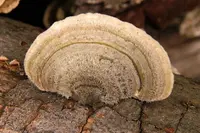
Craypot Stinkhorn Care (Colus pusillus)

Craypot Stinkhorn

About Craypot Stinkhorn

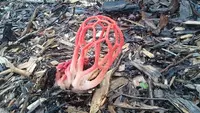
Craypot stinkhorn, Colus pusillus, is a small, saprophytic fungus that feeds on decaying organic matter rather than living as a traditional green plant. It forms a short, coral-like red to orange lattice emerging from a whitish egg at ground level.

This species is native to Australia but has been introduced to other mild, moist regions, often appearing in mulched garden beds and compost-rich soils. Its slimy, foul-smelling spore mass attracts flies, which spread its spores.

Because it appears only when conditions suit it, gardeners cannot fully control its timing, which makes it unpredictable to grow. Gardeners who want to care for Craypot Stinkhorn mainly focus on maintaining consistently moist, organic-rich mulch where it tends to appear.


Main Plant Requirements

Care Difficulty

Moderate Care

Light Preference

Partial Shade

Water Requirements

Keep Soil Moist

Temperature Preference

Tropical / Frost Sensitive

Hardiness Zone

Unknown

Soil Texture

Loamy, Silty, Organic-rich

Soil pH

Acidic (5.5–6.5), Slightly acidic (6.5–7.0)

Soil Drainage

Moist but well-drained

Fertilization

Minimal (feed rarely)

Get Personalized Care Plan

Scan your plant to receive care tips personalized for your specific plant

Available on iOS and Android

How to Care for the Craypot Stinkhorn

This saprophytic fungus thrives in shaded forest or garden locations with diffuse light rather than direct sun.

  • Provide dappled or filtered light under shrubs, trees, or mulch; 1–3 hours of weak morning sun is acceptable, but avoid strong midday or afternoon sun exposure.
  • Site Craypot Stinkhorn where tall plants or structures cast partial shade; deep shade slows fruiting, while full sun can overheat and dry the substrate.
  • In hot summers, protect the colony with extra leaf litter or wood chips to shield it from light and surface drying, especially in exposed beds.

Moist, well-drained organic soil is essential for reliable fruiting of this stinkhorn fungus.

  • Maintain consistently damp but not waterlogged substrate; the top 2–3 cm of soil or mulch should feel moist to the touch most of the time.
  • Improve drainage with leaf litter, compost, or wood chips so water moves through quickly, reducing standing water that can cause anaerobic, sour-smelling patches.
  • In dry or hot periods, water when the upper layer starts to dry and caps crack, but stop if pooling persists longer than 1–2 hours after watering or rainfall.

This species prefers mild to warm conditions and fruits best in moist, temperate weather.

  • Optimal fruiting occurs around 65–80°F (18–27°C) when soil moisture is high and air movement is gentle.
  • Growth slows below about 55°F (13°C) and fruiting bodies are often absent outside a range of roughly 60–85°F (16–29°C).
  • The organism tolerates brief dips to near 32°F (0°C) in the soil, but hard frost can damage fruiting bodies, while extended heat above 90°F (32°C) with dry soil sharply reduces activity.

This fungus grows naturally in moist habitats, so humidity influences its fruiting success.

  • Aim for 60–80% humidity around developing structures by keeping the substrate evenly moist but not waterlogged.
  • It tolerates brief drier air if the substrate stays damp, but prolonged dry conditions reduce or halt fruiting.
  • Humidity stress shows as shriveling, pale or collapsed fruiting bodies; use a plastic humidity tent or nearby trays of damp leaf litter to raise local humidity.

Colus pusillus develops best in loose, organic-rich, consistently moist substrate rather than standard potting soil.

  • Use a mix of well-rotted wood chips, leaf litter, and compost to mimic decomposing forest debris and provide food for the fungus.
  • Ensure the substrate drains freely yet stays evenly damp by blending coarse bark or wood chips with finer organic material in roughly equal parts.
  • Maintain a slightly acidic to neutral reaction, around pH 6.0–7.0, as more alkaline conditions can limit growth.
  • Avoid compacted, clay-heavy, or sterile mineral soils, which restrict air spaces, hold stagnant water, and starve the mycelium of organic material.

This species can be grown in containers mainly as a curiosity rather than a long-term ornamental feature.

  • Use a wide, shallow container to spread a 10–15 cm layer of woody, organic substrate where the mycelium can colonize horizontally.
  • Choose a sturdy, non-flexing pot so the substrate mass is not disturbed when fruiting bodies push up and expand.
  • Position the container where splashing rain or irrigation does not wash out the loose substrate, such as under a bench or sheltered overhang.

Colus pusillus is a saprophytic fungus that obtains nutrients from decaying organic matter and generally does not benefit from additional fertilization.

Colus pusillus does not require conventional pruning, but spent fruiting bodies can be removed for hygiene and appearance.

  • Use disposable gloves or tongs to pick off collapsed or decaying fruiting bodies at the base.
  • Remove nearby heavily decayed, moldy organic debris if it attracts pests or causes odor issues.
  • Place removed material in a sealed bag and discard with trash rather than composting to limit spore spread.

This fungus is rarely grown as a container specimen; management focuses on relocating or adjusting the decaying substrate where it appears.

  • Transplant by moving colonized mulch or organic debris rather than individual fruiting bodies, which are short-lived.
  • Work in mild, moist weather so the substrate stays damp and mycelium, the feeding network of the fungus, is less stressed.
  • Shift material to a shaded, undisturbed area with similar organic matter if trying to grow Colus pusillus intentionally.
  • Avoid frequent disturbance; allow the fungal network time to re-establish before expecting new fruiting bodies.

Colus pusillus is propagated primarily through spores and natural spread of its mycelium in suitable organic substrates.

  • Encourage spread by leaving mature fruiting bodies in place until they collapse and release spores.
  • Provide a layer of moist, decomposing wood chips or leaf litter to support mycelium growth.
  • Maintain consistently damp, but not waterlogged, conditions in shaded areas during warm seasons.
  • Avoid fungicides and heavy soil disturbance where the fungus is established to allow gradual colony expansion.

In mild to cool climates, Colus pusillus requires little specific winter care because the mycelium persists quietly in the soil or mulch.

  • In regions with light frost, leave an insulating layer of mulch or leaf litter over colonized areas.
  • In colder zones, thicker mulch can help buffer temperature swings and protect the underlying mycelium.
  • Container-grown substrates can be overwintered in a frost-free garage or shed to preserve future fruiting potential.

Care Tips

Targeted spore placement

Collect mature, spore-covered gleba on a disposable tool and place it near areas where you want new fruiting, such as around decaying wood chips, then lightly cover with fresh mulch to encourage future colonies while keeping paths clear.

Mulch refresh strategy

Top up the surrounding organic mulch yearly with a thin 2–3 cm layer of fresh wood chips or shredded bark instead of disturbing the whole bed, as this preserves the existing fungal network while still feeding it with new material.

Controlled spread management

If the fungus appears in unwanted spots, remove the fruiting bodies early and replace a small plug of substrate (10–15 cm wide, 5–8 cm deep) with fresh, low-organic soil or gravel to reduce regrowth in that precise area.

Odor and fly control

During peak fruiting, harvest and bag the fruiting bodies as soon as the gleba darkens, then dispose of them in sealed trash to limit odor and reduce fly attraction around patios, doorways, and play areas while still allowing discreet patches elsewhere for growing Craypot Stinkhorn.

Moisture zoning approach

Create a defined high-organic, higher-moisture zone (for example under shrubs with deep wood-chip mulch) and keep nearby lawn or pathways drier and lower in organic content so the fungus thrives only where it is welcome and stays out of frequently used areas.

Common Pests and Diseases

Fungus gnat larvae

This pest takes advantage of the constantly moist, organic-rich substrates used for this saprophytic fungus, where larvae feed on decaying material and fine fungal structures. Symptoms include small black adult gnats flying around trays or containers and reduced vigor or collapse of developing fruiting bodies.

Solution

Allow the surface of the growing medium to dry slightly between heavy waterings, use fine gravel or sand as a top-dressing to reduce egg-laying, and place yellow sticky traps above the substrate to catch adults. In more persistent cases, apply a biological control such as Bacillus thuringiensis israelensis (Bti) according to label directions to target larvae in the substrate.

Mite infestation

These insects, often soil or spider mites, are drawn to humid, sheltered culture environments and may feed on fungal tissue, leading to distorted or aborted fruiting bodies. Symptoms include tiny moving specks on the substrate or fruiting structures and fine webbing in severe cases.

Solution

Improve air circulation around culture containers and avoid overly stagnant, enclosed setups, then physically remove heavily infested pieces of substrate or fruiting bodies. If needed, use a targeted horticultural oil or insecticidal soap on the surrounding surfaces and containers (not on active fruiting bodies) and reset the culture on fresh, clean substrate if infestations persist.

Bacterial soft rot

This disease causes rapid softening, collapse, and foul odor beyond the usual smell of mature stinkhorn fruiting bodies, often starting where water pools on tissue. Symptoms include water-soaked spots that quickly become mushy and discolored, with slimy breakdown of the lattice structure.

Solution

Remove and discard affected fruiting bodies and any obviously contaminated substrate immediately, and avoid splashing water onto developing fungi. Improve drainage and air movement, reduce excessive misting, and sanitize trays, tools, and nearby surfaces with a suitable disinfectant before starting new cultures, following careful Colus pusillus care instructions for humidity and cleanliness.

Interesting Facts

Specialist fly pollination

The bright orange lattice arms and foamy gleba of this stinkhorn emit a strong carrion-like odor that specifically attracts small flies, which feed on the spores and then disperse them to new sites on their bodies and in their droppings.

Rapid fruiting body growth

The fruiting body develops very quickly from an egg-like structure, often expanding to full size within a few hours once it breaks the outer layer, a growth pattern typical of stinkhorn fungi but particularly noticeable in this small species.

Mulch and garden colonizer

This species frequently appears in woodchip mulch, composted garden beds, and other human-modified substrates rich in decaying organic matter, reflecting its role as a saprotroph that breaks down lignin- and cellulose-rich plant debris.

Botan icon

Did you know?

Colus pusillus originates from Australia but has been introduced and naturalized in several other regions, including parts of Europe and North America, most likely through the international trade and movement of woodchip mulch and nursery plants.

FAQs about Craypot Stinkhorn

This fungus spreads locally via spores and underground mycelium when conditions are consistently moist and organic matter is abundant. It is not generally considered aggressively spreading in gardens, but small clusters can expand over time in mulched areas.

Grow Healthy Plants with Botan Care

Keep your plants happy and healthy with plant identification, disease detection, and easy care guidance.

Botan plant care app — identify plants on mobile

Explore More Plants