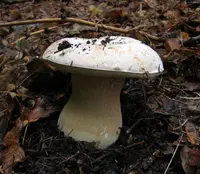
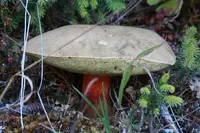
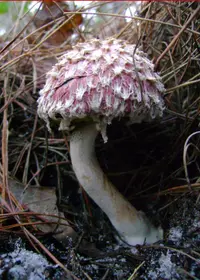
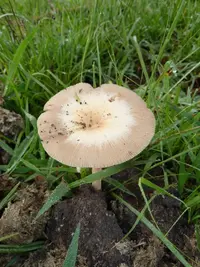
club-like tuning fork Care (Calocera cornea)

Also known as: Small Stagshorn
club-like tuning fork

About club-like tuning fork

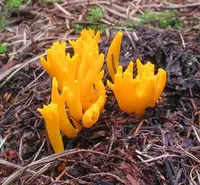
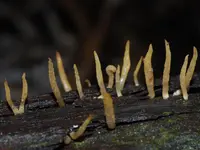
Calocera cornea, commonly called club-like tuning fork, is a small jelly fungus rather than a true leafy plant. It forms bright yellow to orange, upright, forked clubs that grow in clusters on decaying hardwood, often on buried or very weathered wood. The texture is rubbery to gelatinous, especially in damp weather. It occurs widely in temperate regions, including many forested areas in North America and Europe, and appears mainly in wet, cool seasons. In cultivation, it is challenging, as it depends on well-decayed wood, steady moisture, and clean, shaded conditions, so most people observe rather than care for club-like tuning fork at home.

Main Plant Requirements

Care Difficulty

Moderate Care

Light Preference

Partial Shade

Water Requirements

Keep Soil Moist

Temperature Preference

Cool Climate

Hardiness Zone

Unknown

Soil Texture

Organic-rich, Peaty, Loamy

Soil pH

Acidic (5.5–6.5)

Soil Drainage

Waterlogged tolerant

Fertilization

Minimal (feed rarely)

Get Personalized Care Plan

Scan your plant to receive care tips personalized for your specific plant

Available on iOS and Android

How to Care for the club-like tuning fork

This jelly fungus thrives in low to moderate natural light typical of shaded woodland habitats.

  • Provide dappled or filtered light under trees, receiving no more than 2–4 hours of weak morning sun and full shade the rest of the day.
  • Avoid strong midday and afternoon sun, which can dry the substrate and bleach or shrivel club-like tuning fork fruiting bodies.
  • In summer, prioritize deep shade with indirect light; in fall and winter, slightly more open canopy light is acceptable if the wood stays moist.

This wood-inhabiting fungus depends on consistently moist, but not waterlogged, substrate rather than direct watering.

  • Keep decaying wood or bark evenly damp; allow only the surface 0.5–1 cm to start drying before lightly rewetting with a fine spray or gentle soaking.
  • Ensure excess water can drain away so Calocera cornea does not sit in stagnant puddles, which encourage mold and anaerobic conditions.
  • During hot, dry weather, check moisture daily for shrinking or dulling fruiting bodies, and increase misting; reduce added moisture in cool, rainy periods.

This species prefers cool to mild conditions typical of temperate forests.

  • Aim for a growth range of 50–70°F (10–21°C), where fruiting bodies form and persist well on decaying wood.
  • Tolerates brief drops to around 32°F (0°C) but prolonged hard frost below 28°F (-2°C) can damage exposed tissue or halt visible growth.
  • In hot spells above 80°F (27°C), shade and high humidity help prevent drying; seasonal fruiting is often strongest in cool, moist spring and autumn weather.

This jelly fungus requires consistently moist, high-humidity conditions to develop and persist.

  • Target 80–100% humidity by growing on consistently damp, decaying wood rather than in dry, exposed sites.
  • Dry air causes club-like tuning fork fruiting bodies to shrivel, fade in color, and stop forming new tips.
  • Increase local humidity outdoors by using shaded, wind-sheltered spots and keeping the substrate evenly damp but not waterlogged.

Calocera cornea does not grow in conventional potting soil but fruits from very decayed wood with soil contact.

  • Provide heavily decomposed hardwood with crumbly, wood-rich debris rather than mineral garden soil as the main substrate.
  • Allow surrounding soil or woodland duff to stay evenly moist and loose, with plenty of leaf litter to support fungal growth.
  • A slightly acidic environment around pH 5.0–6.5, created by decaying leaves and wood, favors the mycelium that produces fruiting bodies.
  • Avoid compacted, dry, sandy, or heavily fertilized soils, which disrupt decomposition and reduce the fungus’s ability to colonize the substrate.

This species is generally unsuitable for conventional container growing.

Calocera cornea, a wood-decaying fungus, gains nutrients from its substrate and usually does not benefit from added fertilizer.

Pruning is not a standard practice for Calocera cornea, which naturally decomposes wood and resprouts as conditions allow.

This fungus is typically grown on decaying wood rather than in pots, so focus on renewing its substrate instead of classic repotting.

  • Replace exhausted or crumbling wood with fresh, untreated hardwood when fruiting bodies become sparse or small.
  • Transplant colonized wood sections during cool, moist weather to reduce drying and stress on the mycelium.
  • Move logs gently, keeping colonized surfaces shaded and avoiding impact that can damage internal tissues.
  • Position new wood in close contact with colonized pieces to encourage the fungus to bridge and expand.

Propagation of Calocera cornea is mainly a specialist task, relying on spores or transfer of colonized wood rather than home techniques.

In temperate climates this wood-inhabiting fungus is naturally cold hardy and usually needs no special winter care.

Care Tips

Moisture monitoring

Use a simple soil moisture meter or your finger to keep the substrate consistently damp but never waterlogged, as short dry spells or standing water both quickly reduce fruiting of club-like tuning fork structures.

Shaded airflow control

Provide gentle, indirect airflow using a small fan on low setting to limit mold and bacterial growth on the substrate while keeping the culture out of direct drafts that would dry it too fast.

Substrate surface hygiene

Remove any obviously contaminated or heavily moldy patches of substrate with clean tools, then lightly top-dress with fresh, pasteurized material to reduce competition from other fungi.

Clean handling routine

Disinfect tools and trays with isopropyl alcohol before working around the culture, and avoid touching the substrate with bare hands to minimize introduction of competing spores or bacteria.

Staggered harvest timing

Harvest small clusters just as they reach full color and firmness rather than all at once, which encourages repeated flushes and helps when caring for club-like tuning fork over a longer period.

Common Pests and Diseases

Slime mould overgrowth

This disease appears as a wet, slimy, often gray or whitish film that can spread over the jelly-like fruiting bodies and nearby wood. Symptoms include rapid collapse or melting of the coral-like structures under persistently wet, stagnant conditions.

Solution

Remove heavily affected fruiting bodies and any decayed wood surface layer, then improve air movement and drainage around the substrate so it dries between wet periods. Avoid frequent overhead watering in culture setups and, if needed, gently rinse the surface with clean water and allow it to dry to discourage further slime mould development.

Competing wood-decay fungi

This problem occurs when faster-growing bracket or crust fungi colonize the same piece of wood, gradually overgrowing or shading out the jelly fungus. Symptoms include shrinking or disappearance of the yellow clubs where other tougher, leathery fruiting bodies expand.

Solution

Cut back or remove competing fruiting bodies from the same log or wood surface and refresh the substrate by providing new, clean, well-decayed but not crumbly hardwood for Calocera to colonize. Maintain moderate, not excessive, moisture and good airflow, which favors jelly fungi over some aggressive wood-decay competitors when trying to grow Calocera cornea.

Fungus gnat larvae

These insects live in very damp, organic substrates and feed on fungal tissue, causing pitted, chewed, or collapsing fruiting bodies. This pest is most common in indoor or greenhouse culture where moisture stays high and air movement is low.

Solution

Reduce constant wetness by allowing the substrate surface to dry slightly between misting, and increase ventilation to make conditions less favorable for egg laying. Sticky traps help monitor and reduce adult gnats, while a biological control such as Bacillus thuringiensis israelensis (BTI) in water can target larvae without harming the fungus when used according to label directions.

Interesting Facts

Bright yellow jelly

This species produces small, club-shaped fruiting bodies that are vividly yellow and gelatinous when fresh, often standing only a few millimeters tall on decaying hardwood.

Wood decay specialist

It is a saprotrophic fungus that breaks down dead conifer and broadleaf wood, contributing to nutrient cycling by decomposing lignin-rich tissues on stumps, logs, and embedded roots.

Seasonal fruiting pattern

In temperate regions it commonly fruits in damp, cool conditions from late summer into winter, often appearing after rain in dense, scattered clusters on well-rotted wood.

Botan icon

Did you know?

Calocera cornea has a remarkably tough, elastic texture compared with many other small jelly fungi, allowing its tiny clubs to resist collapse during drying and to rehydrate and regain their shape after new rainfall.

FAQs about club-like tuning fork

This jelly fungus is not suited to typical indoor cultivation. It develops best outdoors on decaying hardwood in cool, consistently moist, shaded conditions. Attempting club-like tuning fork indoor care rarely succeeds because it depends on complex wood-decay ecosystems.

Grow Healthy Plants with Botan Care

Keep your plants happy and healthy with plant identification, disease detection, and easy care guidance.


Botan plant care app — identify plants on mobile

Explore More Plants