poplar mushroom Care (Cyclocybe aegerita)

Also known as: velvet pioppini
poplar mushroom

About poplar mushroom

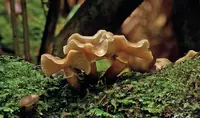
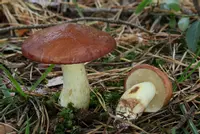
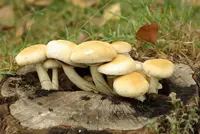
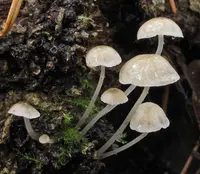
The poplar mushroom, Cyclocybe aegerita, is a wood-decaying fungus often grown as a specialty edible crop rather than a traditional houseplant. It typically forms dense clusters of smooth, tan to brown caps on cut logs, stumps, or specially prepared growing blocks. In nature it occurs on hardwoods, especially poplar and other broadleaf trees, in mild to warm regions.

This species is valued for its firm texture and rich flavor, which encourages many small-scale growers to care for poplar mushroom at home. It is moderately easy to cultivate when provided with stable moisture, good air exchange, and a clean, nutrient-rich substrate.

Main Plant Requirements

Care Difficulty

Moderate Care

Light Preference

Partial Shade

Water Requirements

Keep Soil Moist

Temperature Preference

Tropical / Frost Sensitive

Hardiness Zone

Unknown

Soil Texture

Loamy, Silty, Organic-rich

Soil pH

Acidic (5.5–6.5), Slightly acidic (6.5–7.0)

Soil Drainage

Moist but well-drained

Fertilization

Heavy (weekly, diluted)

Get Personalized Care Plan

Scan your plant to receive care tips personalized for your specific plant

Available on iOS and Android

How to Care for the poplar mushroom

Cyclocybe aegerita needs soft, indirect light that mimics a forest edge or dappled woodland setting.

  • Provide 2–4 hours of weak morning sun with bright, filtered light for the rest of the day; avoid harsh midday rays that dry the substrate.
  • Tolerates partial shade and even deep shade, but cropping declines if the site is very dim or blocked for most of the day.
  • Outdoors, shield poplar mushroom from strong summer sun with shade cloth or placement on the north or east side of structures.

Cyclocybe aegerita requires evenly moist, never waterlogged substrate for healthy mycelium and reliable fruiting.

  • Before watering, check that the top 1–2 cm of substrate or soil surface is just starting to feel dry, not cracked or dusty.
  • Use free-draining but moisture-retentive material; avoid standing water, sour smell, or slimy patches, which signal overwatering and low oxygen.
  • In warm, dry weather, mist or water more often to prevent caps from cracking, and reduce watering in cool, humid periods to limit mold growth.

Stable, cool to mild temperatures support vigorous mycelial growth and consistent fruiting for this species.

  • Aim for 60–72°F (16–22°C) during active growth; slightly cooler, 55–65°F (13–18°C), often gives denser, well-formed mushrooms.
  • Below 40°F (4°C) growth slows sharply and prolonged exposure near freezing can damage pins and tender fruiting bodies.
  • Above 77–80°F (25–27°C) the culture stresses, contamination risk rises, and fruiting may stop, so provide shade and airflow in hot seasons.

This species needs high moisture in the air for reliable fruiting and healthy mycelium.

  • Aim for 85–95% relative humidity during active growth and pin formation, especially when caring for poplar mushroom in fruiting chambers.
  • Tolerates brief drops to 70–75%, but frequent dry spells cause cracked caps, stalled pins, and tough stems.
  • Use a tight, ventilated tent or greenhouse, frequent misting of walls (not caps), and humidifiers to maintain stable humidity.

Cyclocybe aegerita grows best in a moist, airy, lignin-rich substrate rather than typical garden soil.

  • Use a mix based on hardwood sawdust or chips blended with straw or grain, creating a loose, fibrous structure that holds moisture yet allows gas exchange.
  • Ensure excess water can drain or evaporate; overly compact, waterlogged substrates promote anaerobic conditions and bacterial contamination.
  • Aim for a slightly acidic to neutral pH around 5.5–7.0, which supports vigorous mycelial colonization and reduces nutrient lockout.
  • Avoid ordinary loamy or clay garden soil; instead, pasteurize or sterilize the wood-based mix to limit competing fungi and improve colonization success.

This fungus is well suited to container cultivation in bags, tubs, or buckets.

  • Use tall, stable containers that let the substrate sit at least 15–20 cm deep so heavy clusters do not tip the whole unit.
  • Drill side slits or holes at fruiting height to guide mushroom formation to the container walls while still limiting moisture loss.
  • Choose opaque or dark containers to reduce light on the substrate surface, which helps maintain a more stable internal microclimate.

Cyclocybe aegerita grown for home mushroom production benefits from modest, targeted feeding in its substrate rather than heavy fertilization.

  • Use a well-aged compost or balanced 10-10-10 to 15-15-15 NPK added lightly to the bulk substrate, not poured directly on mycelium.
  • During active colonization and fruiting, enrich new substrate batches only; avoid repeated surface feeding of existing blocks.
  • In cooler dormant phases between flushes, reduce or stop nutrient additions to prevent contamination and stressed mycelium.
  • Keep any liquid nutrient supplements very dilute, around 1/4 strength, and maintain even moisture instead of nutrient-rich wetness when caring for poplar mushroom.

Pruning is minimal for Cyclocybe aegerita, focusing on hygiene and airflow around fruiting bodies rather than shaping.

  • Remove spent, slimy, or discolored mushrooms promptly with clean scissors or a sharp knife at the base to limit disease.
  • Trim and discard any moldy substrate sections to reduce spore load and improve air circulation around remaining clusters.
  • Cut crowded clusters by harvesting some caps earlier, which opens space and light for remaining mushrooms to size up.
  • Always disinfect tools with alcohol before and after use to reduce bacterial and fungal contamination of the culture.

Cyclocybe aegerita is managed by refreshing or moving its colonized substrate rather than traditional repotting.

  • Plan to replace or expand substrate every few months once yields drop, mycelium browns, or growth becomes patchy.
  • Time major moves for a rest period between flushes, when no new pins or young mushrooms are forming.
  • Gently cut and lift the colonized block, keeping it intact, then place it into a slightly larger, clean container or fruiting chamber.
  • Reduce root-equivalent stress by minimizing handling, keeping temperature stable, and misting lightly after transfer without soaking.

New Cyclocybe aegerita cultures are usually produced from spores, tissue culture, or grain spawn rather than vegetative cuttings.

  • Use commercial grain spawn or create spawn on sterilized grain from a clean tissue culture started in late winter or spring.
  • For spore-based propagation, collect mature caps, print them on sterile foil, and inoculate sterilized media under very clean conditions.
  • Maintain high humidity, stable 68–75°F temperatures, and low light during colonization for even mycelial growth.
  • Once grain is fully colonized, mix it into pasteurized bulk substrate in a clean container, then seal or cover for consolidation.

Outdoor setups of Cyclocybe aegerita need basic winter management because mycelium is sensitive to hard freezes and prolonged saturation.

  • In cold climates, move tubs or bags into a frost-free space around 40–55°F before consistent freezes arrive.
  • For outdoor beds, add 5–10 cm of loose straw or leaf mulch over the colonized wood or substrate to insulate the mycelium.
  • Avoid waterlogging in winter by improving drainage and slightly sheltering beds from heavy rain or snow.
  • Resume fruiting conditions gradually in late winter or spring by easing off mulch and increasing moisture and fresh air.

Care Tips

Use breathable bags

Grow kits or homemade blocks perform better in filter patch bags that allow slow gas exchange while still blocking spores, mites, and fungus gnats from entering the substrate.

Control flush timing

After the first harvest, scrape off remaining stem butts and lightly scratch the substrate surface with a sterile fork or gloved fingers to stimulate a more even second flush of mushrooms.

Manage fresh air

Open the fruiting chamber briefly 2–3 times a day or run a small fan indirectly nearby to prevent carbon dioxide buildup that causes long stems and small caps.

Hydrate substrate safely

Between flushes, pour clean, cool water around the substrate block (not directly on developing pins) and let it soak for 4–6 hours, then drain completely to avoid waterlogging.

Harvest at right stage

Cut clusters when caps have expanded but before they flatten fully, which improves texture, flavor, and also encourages more consistent future yields when growing poplar mushroom.

Common Pests and Diseases

Green mold

This disease is caused mainly by Trichoderma species that aggressively colonize the substrate and fruiting blocks, producing dense green patches that outcompete the mushroom mycelium. Symptoms include reduced or aborted fruiting and rapidly spreading green spores on the surface of the block or casing.

Solution

Remove and discard heavily contaminated blocks as soon as green spores appear, and avoid opening them indoors to limit spore spread. Improve hygiene by sterilizing tools and containers, using well-pasteurized or sterilized substrate, reducing excess moisture on surfaces, and increasing fresh air exchange so the Cyclocybe aegerita mycelium stays competitive.

Cobweb mold

This disease is caused by Cladobotryum species that create fast-growing, grayish cobweb-like mycelium over the substrate and mushrooms. Symptoms include a fine, wispy growth that quickly thickens and can lead to soft, decaying fruiting bodies.

Solution

Isolate affected blocks immediately and remove any badly overgrown mushrooms, then lightly mist the surface with a 3–5% hydrogen peroxide solution to suppress the mold. Improve air movement and reduce still, humid pockets around the grow area, and keep surfaces clean to prevent spores from settling and germinating on new blocks.

Bacterial blotch

This disease, often linked to Pseudomonas species, causes yellow to brown, greasy or slimy spots on caps and stems, especially under wet conditions. Symptoms include water-soaked lesions and a general softening of affected tissue.

Solution

Reduce surface wetness by using finer misting, shorter watering cycles, and ensuring strong but gentle air circulation so caps dry within 1–2 hours after watering. Remove badly affected mushrooms, avoid touching healthy fruits with contaminated hands or tools, and keep humidity high enough for fruiting (around 85–95%) but without visible standing water on caps or substrate.

Sciarid fungus gnats

These insects lay eggs in the moist substrate, and the larvae feed on mycelium and developing primordia, leading to weak, deformed, or aborted fruiting bodies. Adults are small dark flies that often hover near vents and substrate surfaces, and can spread pathogens between blocks.

Solution

Use fine mesh on vents and yellow sticky traps to reduce adult populations, and allow the top of the substrate or block surface to dry slightly between mistings while maintaining overall humidity. For more persistent infestations, apply a biological control such as Bacillus thuringiensis israelensis (Bti) in watering water according to label instructions, and promptly remove heavily infested or decaying organic material from the grow area.

Mite infestations

This pest group includes grain and mushroom-associated mites that feed on mycelium and fruiting bodies, leaving pitted, rough surfaces and reduced yields. Symptoms include slow colonization, distorted or scarred caps, and visible tiny white or brown moving dots on blocks or walls in severe cases.

Solution

Discard or freeze heavily infested blocks to break the life cycle, and thoroughly clean and dry the grow space, shelving, and containers between cycles. Store all grains and substrate ingredients in sealed containers, heat-treat or sterilize them before use, and maintain good hygiene and moderate humidity during colonization to lower the risk of recurring mite problems while growing poplar mushroom.

Interesting Facts

Ancient Mediterranean cultivation

This fungus has been intentionally cultivated since classical antiquity, especially around the Mediterranean, making it one of the earliest mushroom species grown by humans for food.

Preference for poplar wood

In nature, the species most often fruits on fallen or cut poplar and related broadleaf trees, showing a distinct ecological preference for soft hardwoods in riparian and lowland habitats.

Variable wild and cultivated forms

Wild fruiting bodies are typically smaller and darker, while cultivated strains have been selected for thicker caps and denser clusters, illustrating rapid morphological change under controlled growing conditions.

Botan icon

Did you know?

Genetic and morphological studies have shown that traditional populations once grouped under Agrocybe aegerita actually represent a species complex, and the cultivated poplar mushroom commonly grown in Europe and Asia is now placed in Cyclocybe aegerita sensu stricto, highlighting how modern taxonomy reshaped a long-domesticated crop fungus.

FAQs about poplar mushroom

Growth is relatively quick under warm, humid, and well-ventilated conditions. From inoculation of substrate to first harvestable clusters usually takes 4–8 weeks, depending on strain, substrate quality, and how stable temperature and moisture are kept.

Grow Healthy Plants with Botan Care

Keep your plants happy and healthy with plant identification, disease detection, and easy care guidance.

Botan plant care app — identify plants on mobile

Explore More Plants