Verdigris Agaric Care (Stropharia aeruginosa)

Verdigris Agaric

About Verdigris Agaric

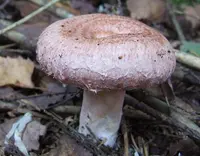
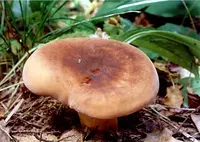
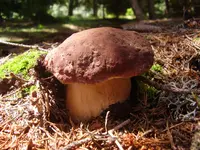
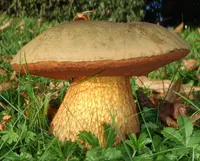
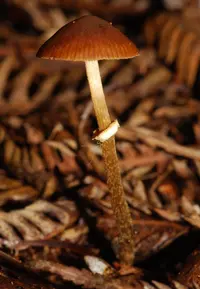
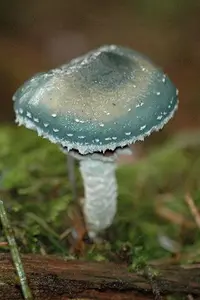
Verdigris agaric, Stropharia aeruginosa, is a small to medium woodland mushroom known for its blue‑green cap often dusted with fine white scales. It typically appears in moist, mossy areas, often among leaf litter or on rich, decaying organic matter. Native to Europe and North America, it fruits mainly in cool, damp seasons and usually grows scattered or in small groups. This species can be challenging to identify safely, and its variable reports of edibility make it unsuitable for casual foraging. It prefers consistently moist, humus-rich substrates and shaded conditions, so to care for Verdigris Agaric in cultivation, conditions must closely mimic a cool, damp forest floor.

Main Plant Requirements

Care Difficulty

Hard Care

Light Preference

Partial Shade

Water Requirements

Keep Soil Moist

Temperature Preference

Cool Climate

Hardiness Zone

Unknown

Soil Texture

Loamy, Silty, Organic-rich

Soil pH

Acidic (5.5–6.5), Slightly acidic (6.5–7.0)

Soil Drainage

Moist but well-drained

Fertilization

Minimal (feed rarely)

Get Personalized Care Plan

Scan your plant to receive care tips personalized for your specific plant

Available on iOS and Android

How to Care for the Verdigris Agaric

This forest-dwelling fungus prefers cool, shaded conditions that mimic its natural woodland habitat.

  • Provide dappled or filtered light under trees or shrubs; 1–3 hours of gentle morning sun is acceptable, but avoid strong midday and afternoon sun that can dry the substrate and abort fruiting bodies.
  • Site Verdigris Agaric in partial to full shade, especially in summer, as sustained direct sun reduces humidity and slows mycelium growth in the wood or leaf litter.
  • In bright, exposed spots, use leaf litter, wood chips, or low groundcovers to create shade and retain moisture; in darker sites, slightly thinner mulch helps avoid overly cold, slow-fruiting conditions.

Moist, but not waterlogged, substrate is essential for consistent fruiting in this woodland mushroom.

  • Keep the top 2–5 cm of leaf litter or wood chip layer evenly moist; water when it feels dry to the touch, using a gentle spray that does not disturb the substrate.
  • Use well-drained, organic-rich material; persistent puddling, sour smell, or slimy mycelium indicates overwatering and poor aeration, which can lead to rot.
  • In cool, rainy seasons reduce supplemental watering, but in hot or windy weather increase checks; shrinking caps and dry, brittle gills suggest underwatering, while pale, collapsing caps can follow prolonged saturation.

This species prefers cool to mild conditions and declines in prolonged heat or hard frost.

  • Aim for an active growth range of about 50–68°F (10–20°C), which supports steady mycelium activity and reliable fruiting in moist, organic-rich substrates.
  • Stropharia aeruginosa tolerates brief drops to around 32°F (0°C), but hard freezes below this can damage fruiting bodies; snow cover may protect underlying mycelium.
  • Sustained temperatures above 77°F (25°C), especially with low humidity, slow or halt fruiting; in warm seasons, deeper mulch and shade help buffer soil temperatures and retain moisture.

This wood-rotting mushroom prefers consistently moist, high-humidity conditions to fruit well.

  • Aim for 70–90% humidity around developing caps and gills, especially during the fruiting stage.
  • Dry air causes cracked caps, shriveling margins, and slow or aborted fruiting of Verdigris Agaric.
  • Increase humidity with frequent fine misting, shaded placement, and damp mulch or moist cardboard around the substrate.

Stropharia aeruginosa fruits best in moist, organic-rich substrates rather than typical garden soil.

  • Use a loose mix of hardwood chips, straw, and well-rotted compost that holds moisture but still lets air reach the mycelium.
  • Ensure excess water can drain away so the substrate stays moist, not waterlogged, which reduces oxygen and favors rot.
  • Aim for slightly acidic to neutral conditions (pH 5.5–7.0), avoiding heavily limed or strongly alkaline ground.
  • Improve aeration and drainage by mixing in coarse wood chips or chopped straw instead of dense, fine compost alone.

This species can be grown in containers if they are large, stable, and hold a moist woody substrate.

  • Choose a deep, wide tub or box that allows a thick layer of wood chips so the mycelium does not dry out at the sides.
  • Drill many small holes low on the sides as well as at the base so excess water escapes without flushing out the substrate.
  • Use opaque or shaded containers to reduce substrate heating and water loss, which keeps moisture levels more stable for fruiting.

Stropharia aeruginosa is a saprophytic fungus that usually needs no added fertilizer when grown in suitably rich organic substrate.

Stropharia aeruginosa does not require pruning; mushroom fruiting bodies are short-lived and managed by simple harvesting.

This fungus is usually managed by renewing its substrate rather than conventional repotting.

  • Transplant or refresh outdoor beds every 1–2 years when fruiting declines or the woody mulch layer becomes compacted.
  • Best timing is early to mid-spring, before peak fruiting, so the mycelium can re-establish in mild, moist conditions.
  • Lift colonized mulch gently, transfer to fresh, similar material, and avoid letting it dry out to minimize mycelial stress.
  • After transplanting, water lightly but consistently to maintain even moisture, not saturation, in the new substrate.

Stropharia aeruginosa is typically propagated by spore or mycelium transfer rather than by standard plant methods.

  • Best results come from introducing spawn or colonized substrate to fresh, moist, woody mulch in spring or early fall.
  • Maintain high, even moisture and good air exchange; mycelium (the fungal body) is very sensitive to drying.
  • Spread pieces of colonized mulch or spawn evenly through new substrate, then cover lightly with fresh, uncolonized material.
  • Avoid direct sun and heavy disturbance in the first weeks, allowing the fungus to knit through the new substrate.

In temperate climates, Stropharia aeruginosa mycelium is generally hardy in the soil or mulch and needs minimal winter care.

  • Apply a 5–8 cm mulch layer of wood chips or leaf litter to buffer freeze–thaw cycles around the colonized zone.
  • Container or tray cultures benefit from being moved to an unheated but frost-free shed or garage in very cold regions.
  • Keep substrate just barely moist; prolonged waterlogging in cold conditions can damage or kill the mycelium.

Care Tips

Substrate pre-conditioning

Before inoculation, mix hardwood chips with a small amount of well-aged, fully finished compost and pre-soak 24 hours, then drain thoroughly to create a moist but airy substrate that favors this fungus over competing molds.

Shaded bed placement

Site outdoor beds near the north or east side of shrubs or low trees so the canopy keeps the chip layer cool and evenly shaded, which helps stabilize moisture levels for growing Verdigris Agaric.

Layered chip refresh

Instead of disturbing colonized chips, add a fresh 2–3 cm layer of new hardwood chips on top each season, allowing the mycelium to grow upward into the new material without breaking existing networks.

Targeted slug control

Place low, shallow beer traps or copper tape barriers around the bed edge before peak fruiting, as slugs and snails can quickly destroy the soft caps and gills.

Clean harvesting technique

Harvest by cutting stems cleanly at the substrate surface with a disinfected knife rather than pulling, which helps protect underlying mycelium and reduces the entry of contamination into the bed.

Common Pests and Diseases

Fungus gnat larvae

This pest uses the moist, organic substrate around cultivated fruiting beds as a breeding site, and the larvae feed on mycelium and young primordia. Symptoms include poor pin formation, deformed caps, and small feeding tunnels in stems or gills.

Solution

Cover spawn or casing layers with fine mesh where practical, avoid standing water, and maintain good sanitation by removing spent, decaying material promptly. Yellow sticky traps help reduce adult numbers, and targeted Bacillus thuringiensis israelensis (BTI) drenches can be used in heavily infested substrates without harming the fungus when applied according to label directions for mushroom production.

Sciarid fly infestation

These insects are strongly attracted to nutrient-rich, damp mushroom beds and lay eggs directly on or near the mycelium. Larvae can tunnel through stems and caps, and adults spread contaminants and cause blemishes on fruiting bodies.

Solution

Use insect-proof netting and physical barriers around growing areas, and place sticky cards at bed level to monitor and trap adults. Remove heavily infested clusters, keep surrounding organic debris to a minimum, and if needed introduce biological control agents such as predatory mites or beneficial nematodes labeled for mushroom house use as part of Stropharia aeruginosa care.

Green mold contamination

This disease is caused mainly by Trichoderma species that colonize the substrate or casing layer faster than the mushroom mycelium. Symptoms include dense, bright to dark green patches on the surface, poor fruiting, and a sharp, unpleasant odor in advanced cases.

Solution

Discard or isolate contaminated substrate as soon as green patches appear and avoid disturbing spores into clean areas. Sterilize or thoroughly pasteurize fresh substrate, clean tools and containers with a disinfectant, and reduce excess nitrogen or uncomposted matter that favors Trichoderma over the mushroom mycelium.

Bacterial blotch

This disease develops in conditions of high humidity with standing water on caps, typically caused by Pseudomonas species. Symptoms include yellow to brown, greasy-looking spots on the cap surface and sometimes soft, sunken tissue.

Solution

Improve air circulation, avoid water droplets standing on caps by using fine misting and watering the substrate rather than the fruiting bodies, and space clusters so air can move between them. Remove and discard badly affected mushrooms, and clean surfaces and tools to limit bacterial spread between flushes.

Mite infestation

These small arthropods feed on mycelium, spores, or decaying material and may scar stems and caps or stunt fruiting. Symptoms include tiny moving specks on the substrate or gills and occasionally fine debris or pitting on tissue surfaces.

Solution

Keep the growing area clean and dry between flushes, remove any piles of decaying organic matter, and, if mites are observed, discard heavily infested trays or logs. In more valuable or controlled setups, introduce predatory mites compatible with mushroom cultivation and reduce humidity slightly while maintaining levels suitable for fruiting to slow mite reproduction.

Interesting Facts

Blue cap chemistry

The cap’s blue-green color comes from a mix of psilocybin-related indole pigments and other oxidizing compounds, which can shift toward brown as the fruiting body ages or dries.

Slippery, gelatinous cap

Fresh caps are coated with a thick, gelatinous layer called an ixocutis, making the surface distinctly slimy and helping the mushroom retain moisture in cool, damp habitats.

Wood-chip habitat specialist

This species is strongly associated with mulched flowerbeds, garden borders, and wood-chip landscaping in temperate regions, where it acts as a saprotroph breaking down lignin- and cellulose-rich debris.

Botan icon

Did you know?

This species was long regarded as mildly toxic or inedible largely due to its unusual blue-green color and confusion with psychoactive or poisonous look-alikes, and modern field guides still treat it as a species to avoid eating even though serious poisonings are not well documented.

FAQs about Verdigris Agaric

This species is generally regarded as inedible or potentially poisonous. Reports mention gastrointestinal upset and neurotoxic symptoms. Identification of wild fungi is often difficult, so it should not be eaten or promoted as a food source.

Grow Healthy Plants with Botan Care

Keep your plants happy and healthy with plant identification, disease detection, and easy care guidance.

Botan plant care app — identify plants on mobile

Explore More Plants